Category Archives: Blog

Daly Recruitment Sponsors Ulster University Academy Restaurant Supervisory Top Score Award

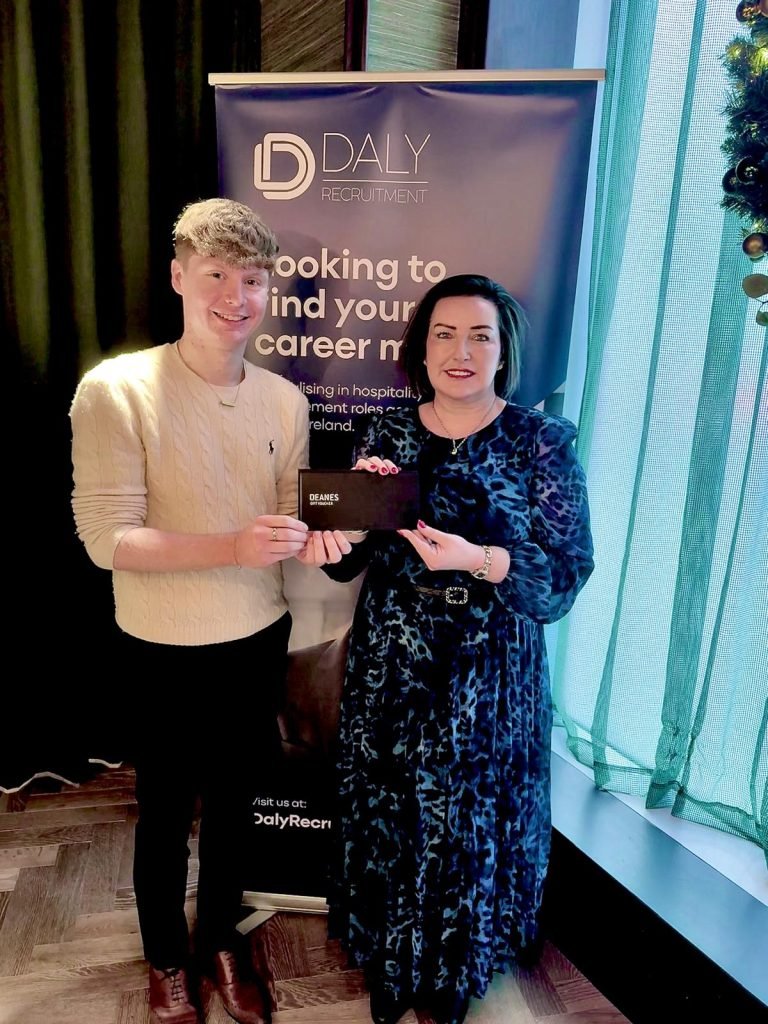
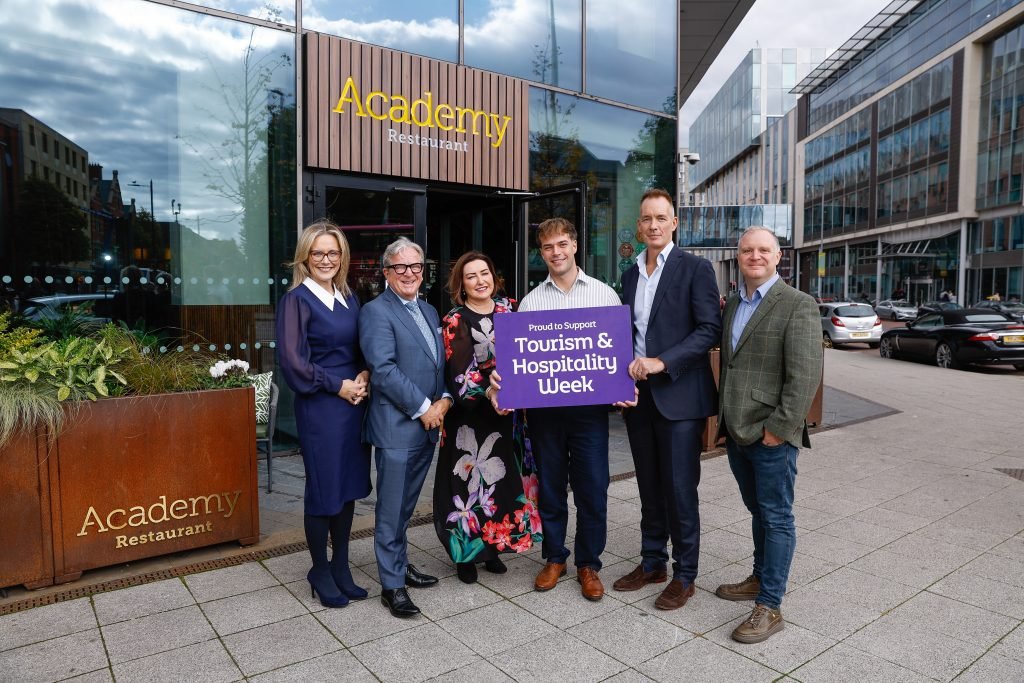
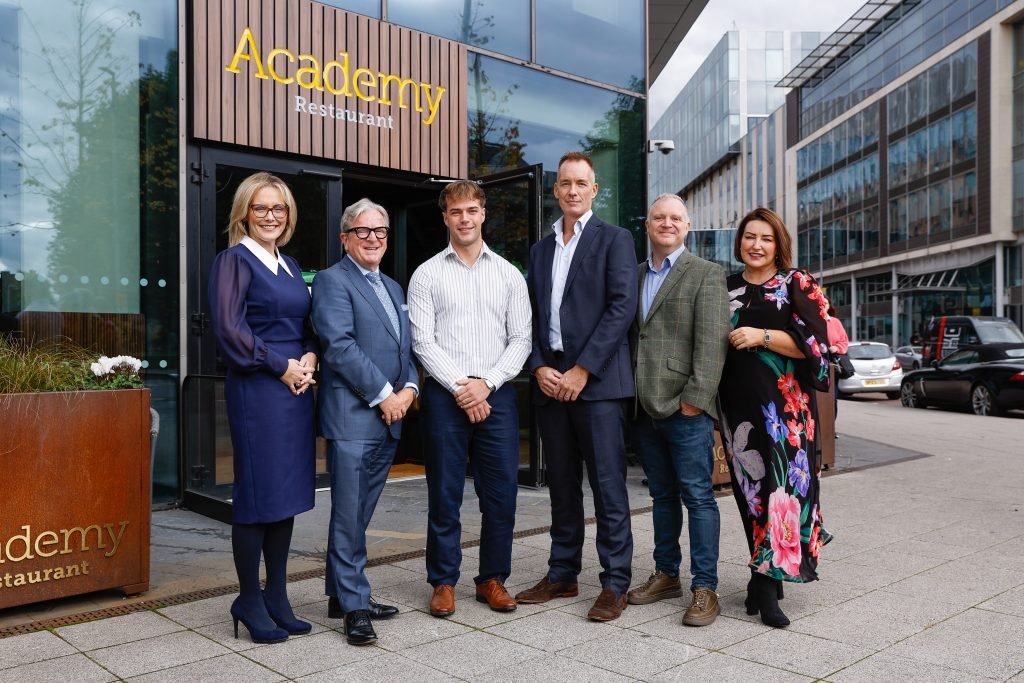
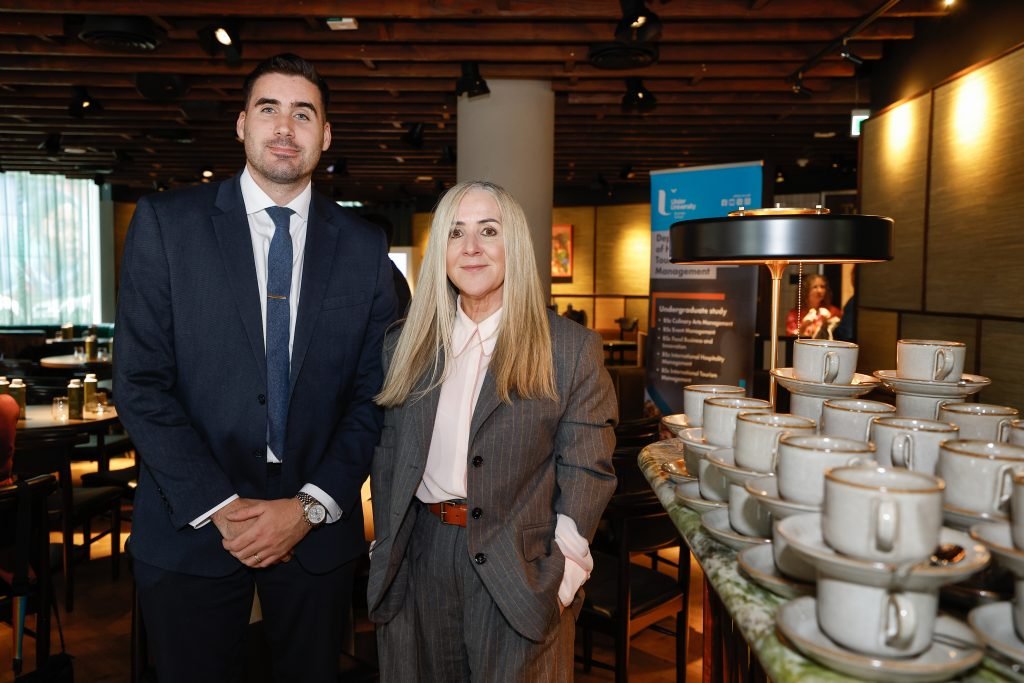
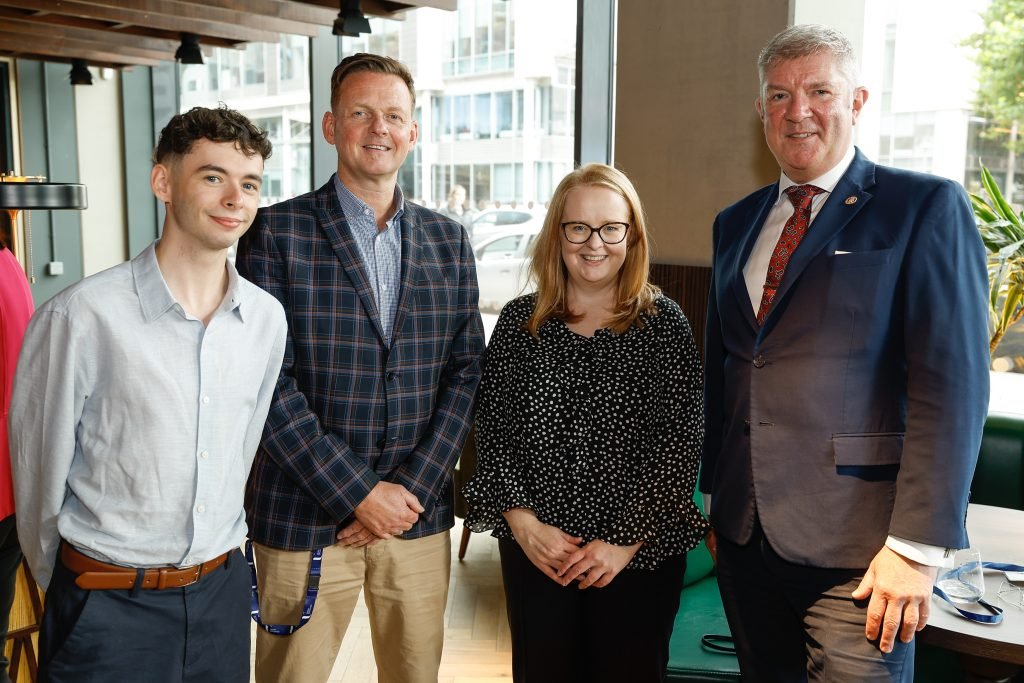
Daly Recruitment is proud to continue its long-standing partnership with Ulster University’s Department of Hospitality, Tourism and Events Management through the sponsorship of the annual Academy Restaurant Supervisory Award. The award recognises excellence in the module’s core assessment, the Student Supervisory, in which students take full responsibility for managing the Academy Restaurant during a live service.

Throughout this assessment, students oversee every element of the operation -from pre-service planning and coordination to real-time execution and post-service evaluation – mirroring the demands and standards of real-world hospitality management.

Each year, the top-performing student is awarded a dining voucher for a restaurant of their choice, offering them the opportunity to experience best-in-class hospitality from a guest’s perspective.

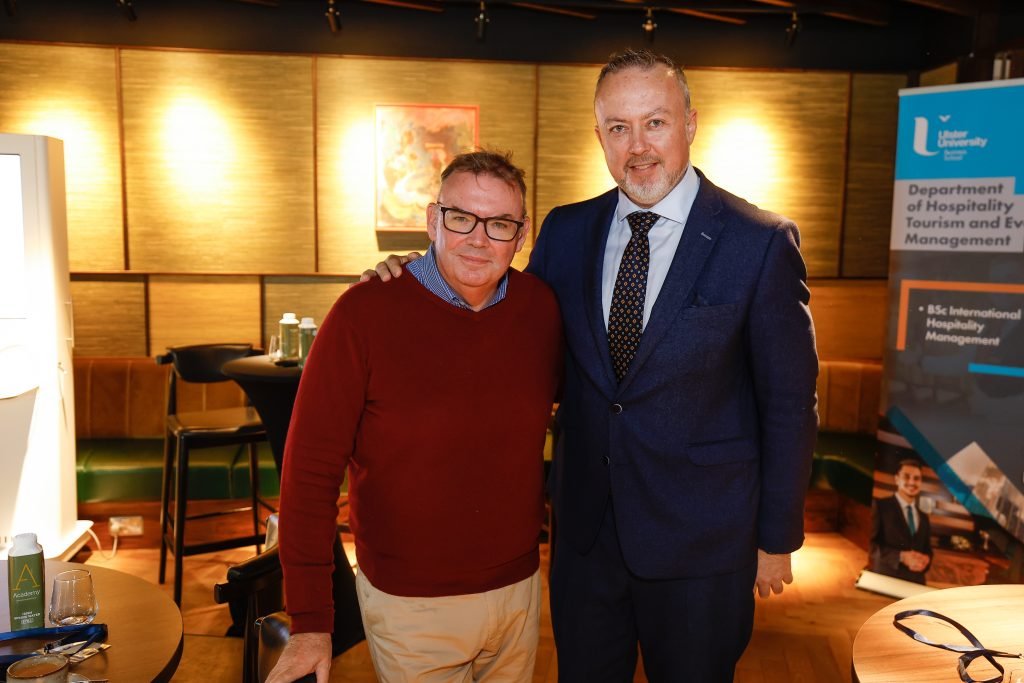
For 2025, the award was presented to  Reuben McIlvenny, who achieved the highest mark in the module and selected Deanes Restaurant for his celebratory dining experience.

Commenting on the award, Reuben said:

“Thank you to Nichola for sponsoring this award. Your support genuinely motivates International Hospitality Management students at Ulster University to strive for excellence, aim higher, and grow into the next generation of hospitality leaders. We truly appreciate your encouragement and commitment.”

Simon Russell, Programme Director, BSc (Hons) International Hospitality Management at Ulster University, added:

“The Student Supervisory assessment is one of the most transformative experiences our students undertake, and Reuben demonstrated outstanding leadership, professionalism and composure throughout. We are incredibly grateful to Daly Recruitment for their ongoing support, which adds real value, industry insight and motivation for our students as they prepare to join the hospitality workforce.”

Nichola Daly, Founder of Daly Recruitment, commented:

“At Daly Recruitment, we work closely with hospitality businesses every day and see first-hand how important strong management is to the success of an operation. Investing in students at this stage helps build the skills, confidence and standards needed for the next generation of hospitality managers. We’re proud to support initiatives that develop real talent for the future of the industry.”

Daly Recruitment remains committed to supporting hospitality professionals at every stage of their careers, from emerging talent to experienced leaders.

Congratulations to Reuben on this well-deserved achievement!


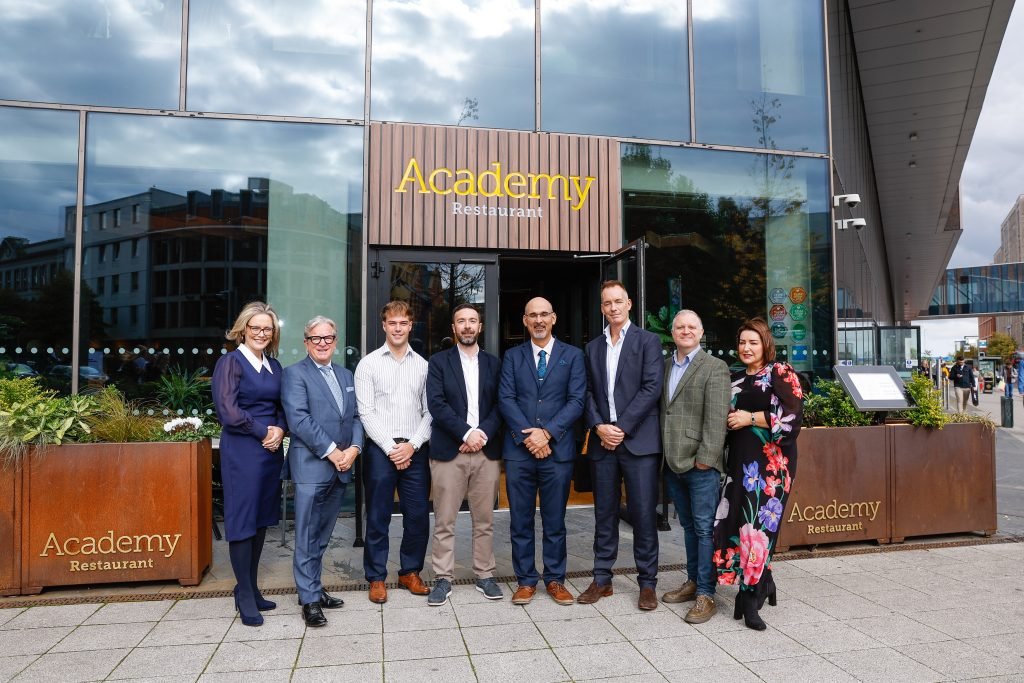
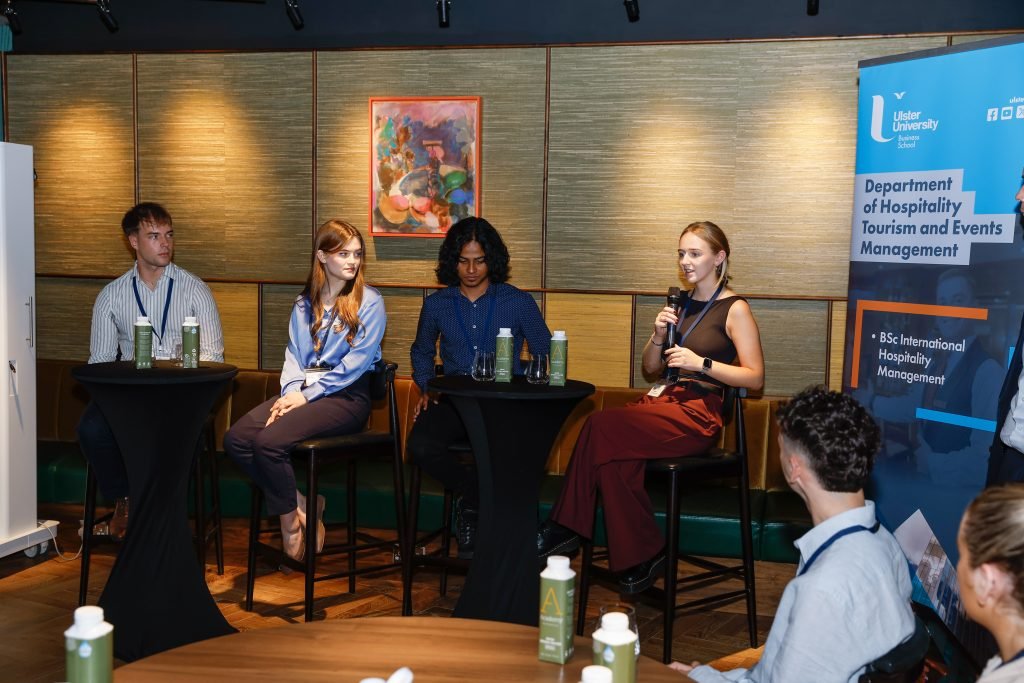
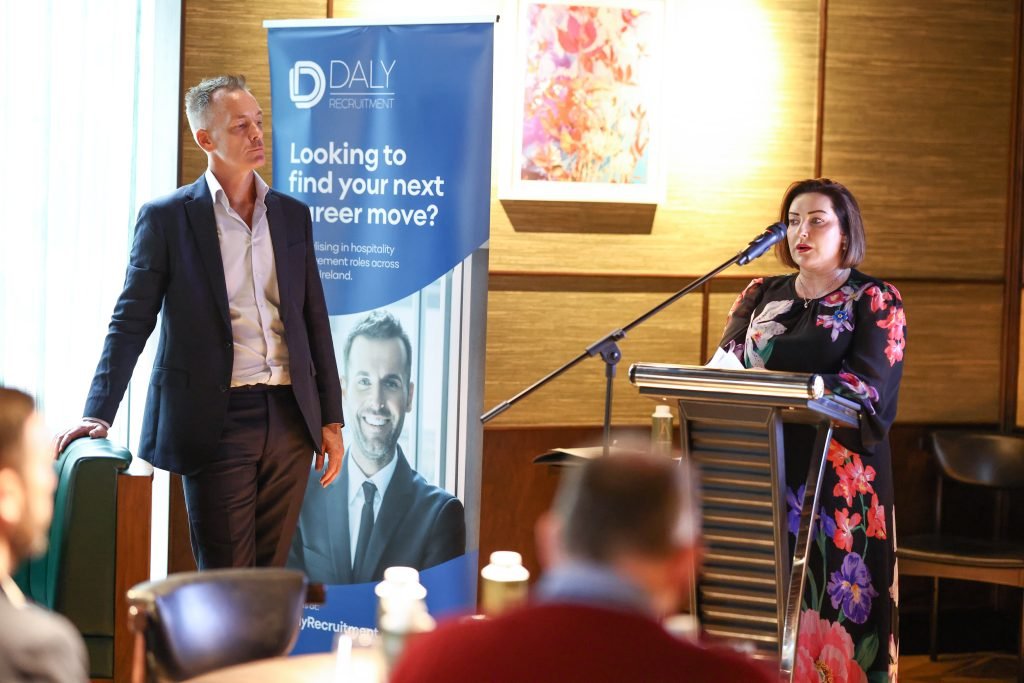
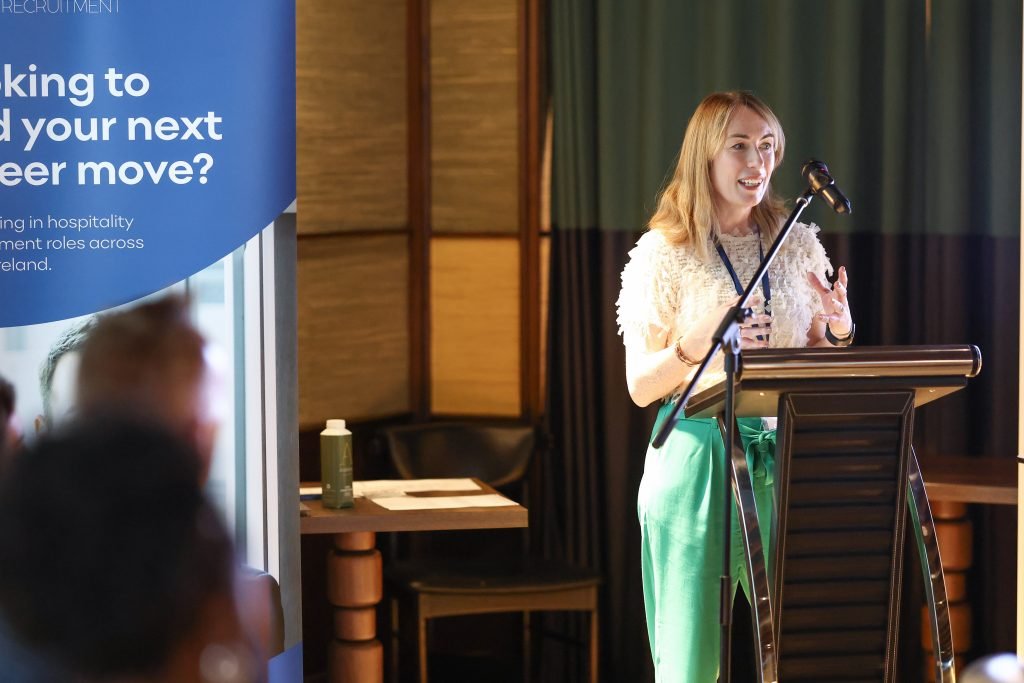
Industry leaders and future managers unite in Ulster University’s Academy Restaurant to shape the next era of luxury hospitality

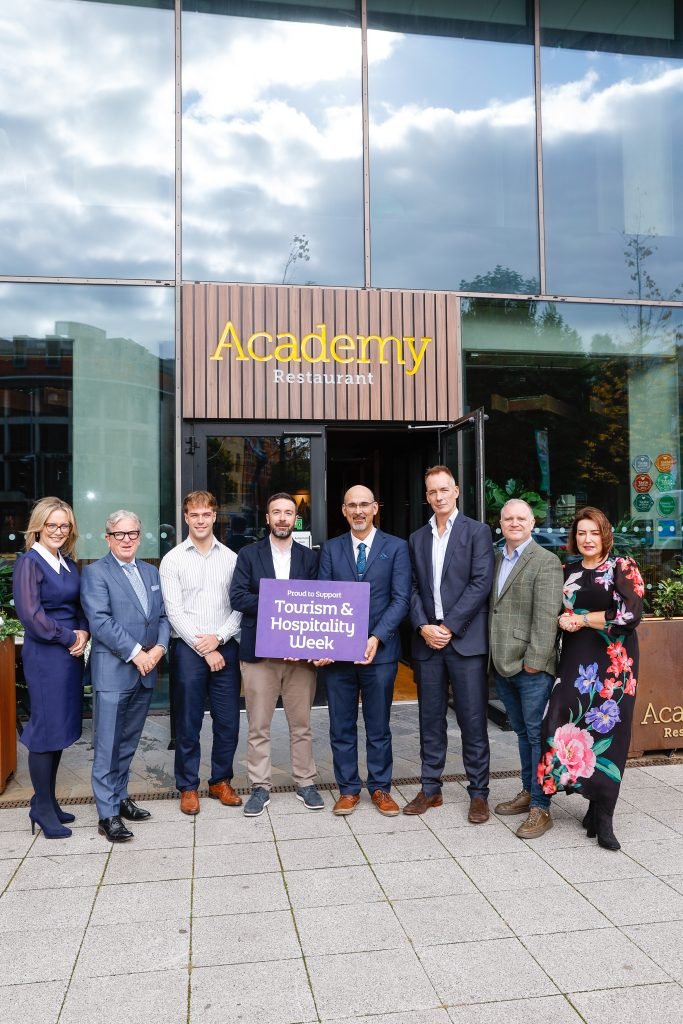
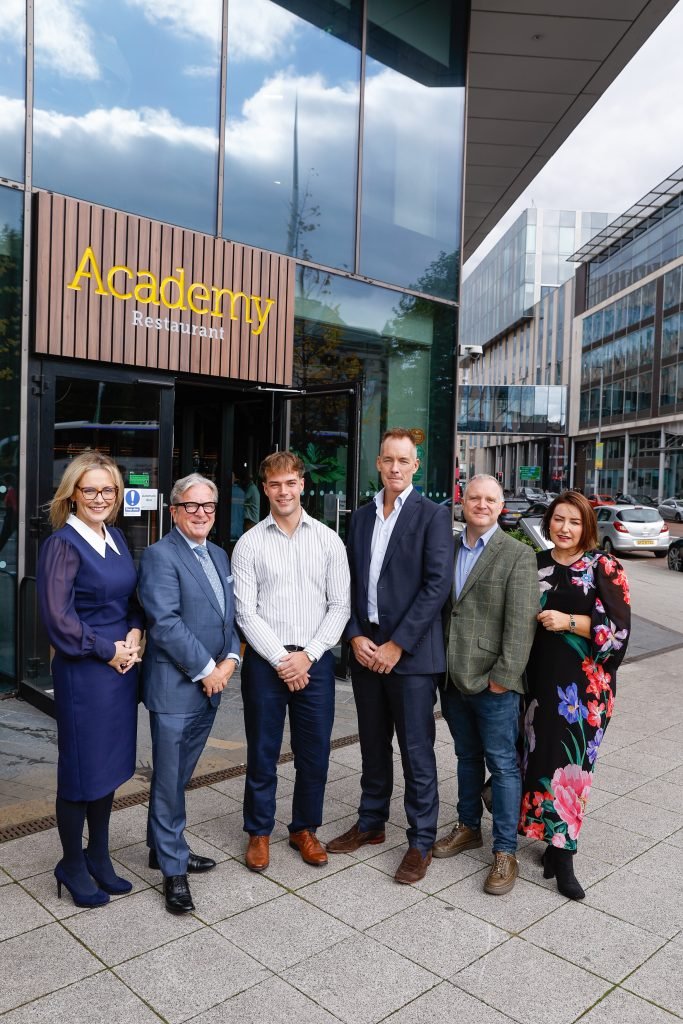
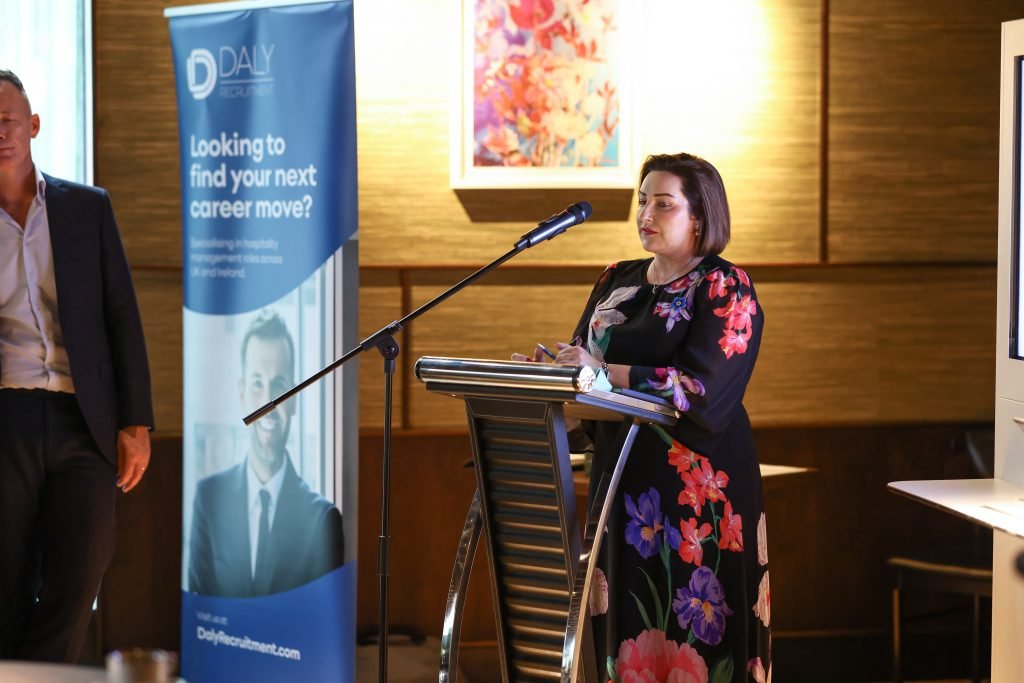
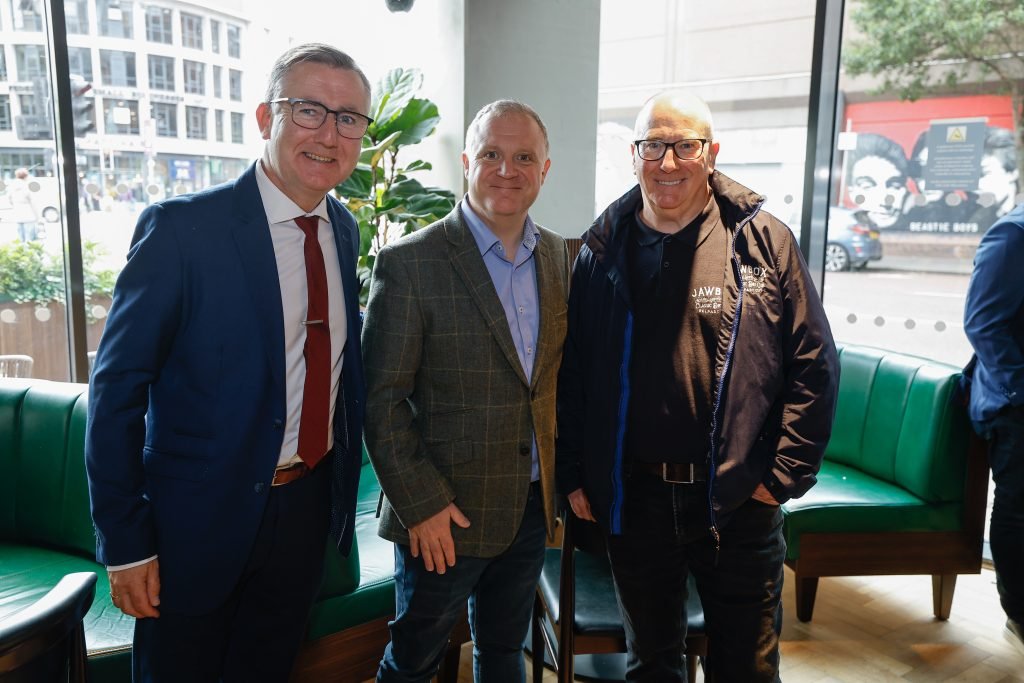
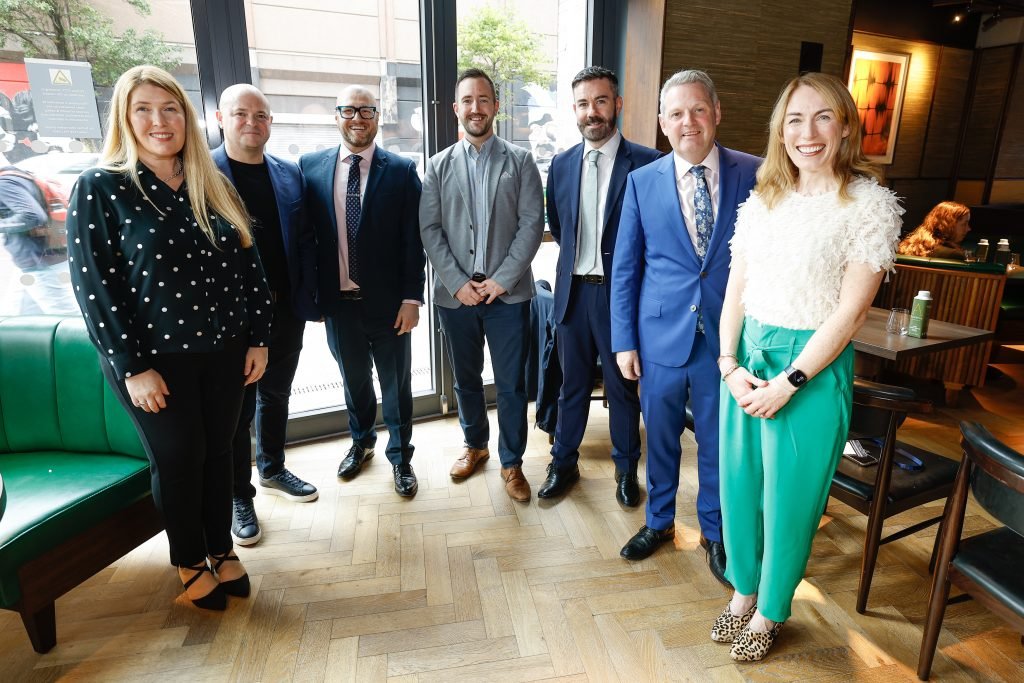
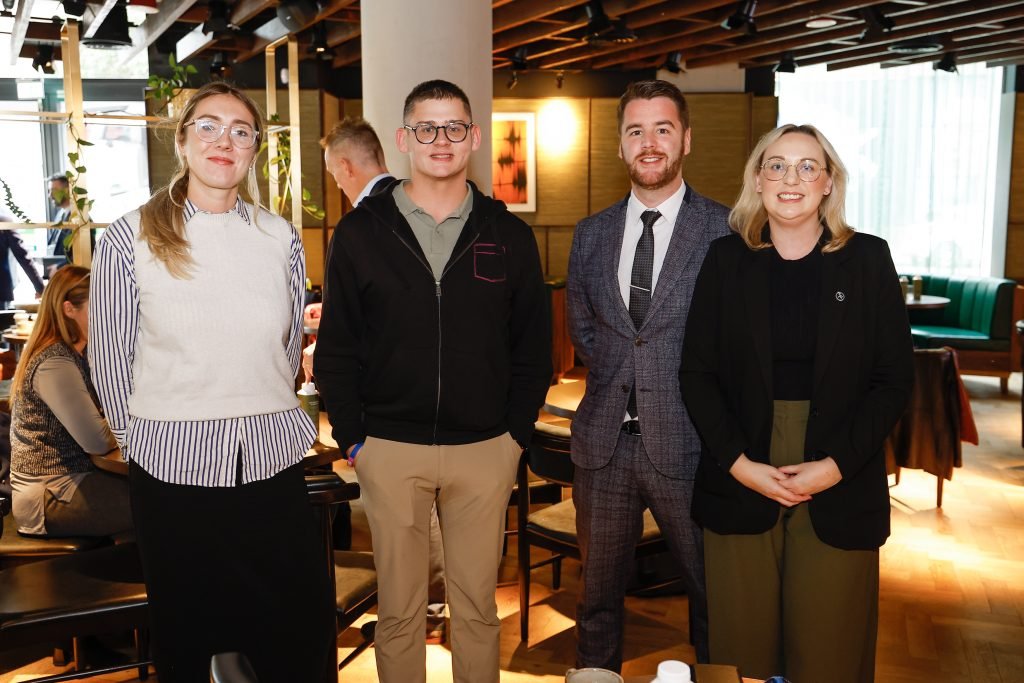
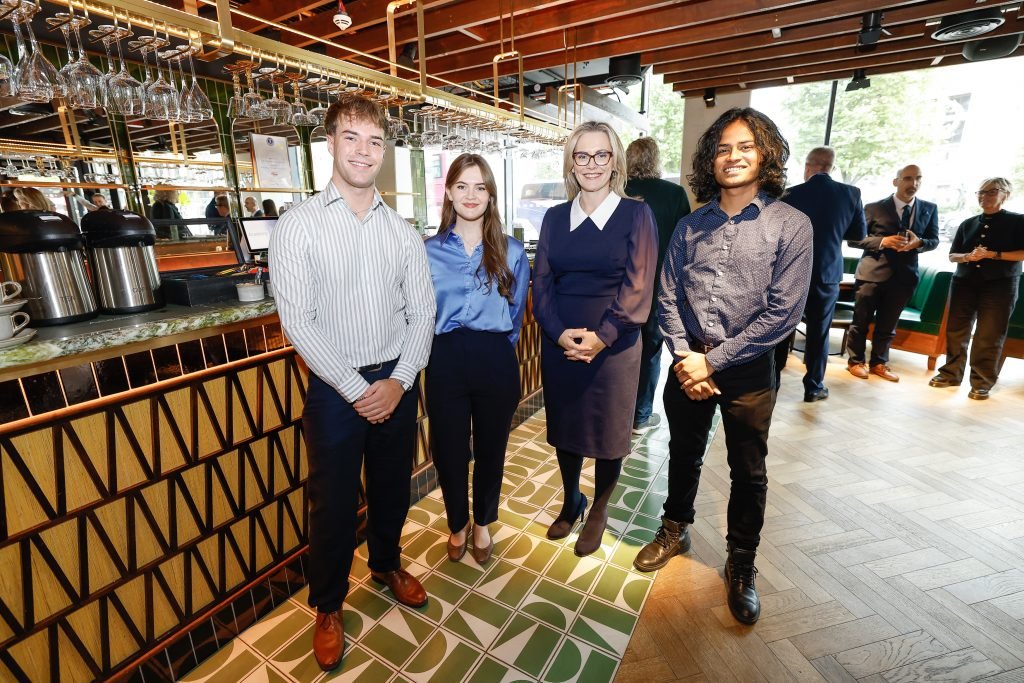
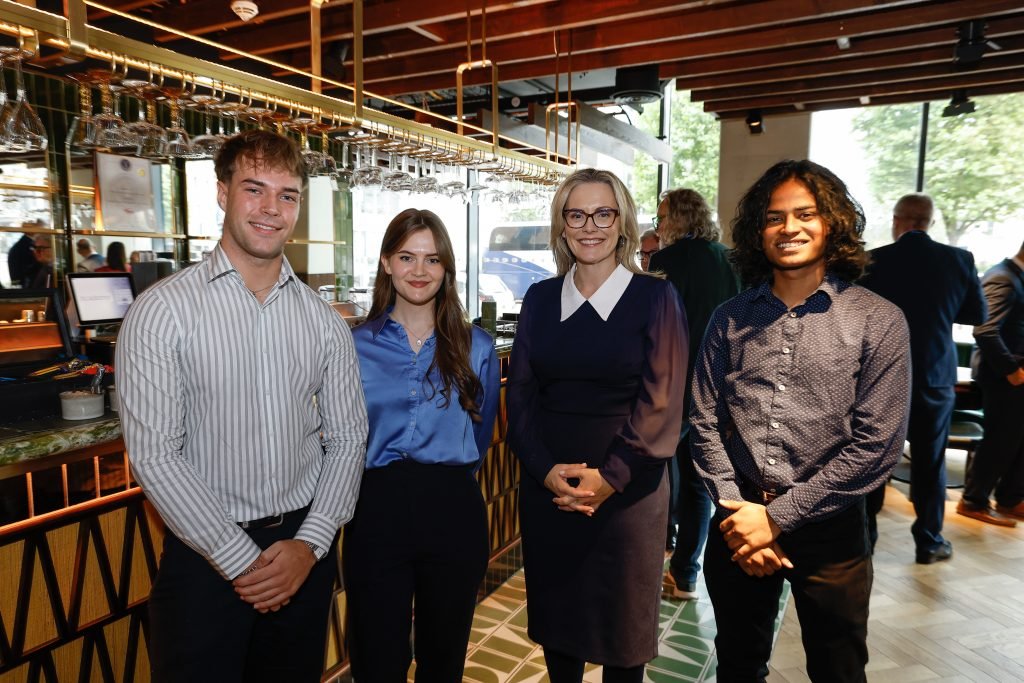
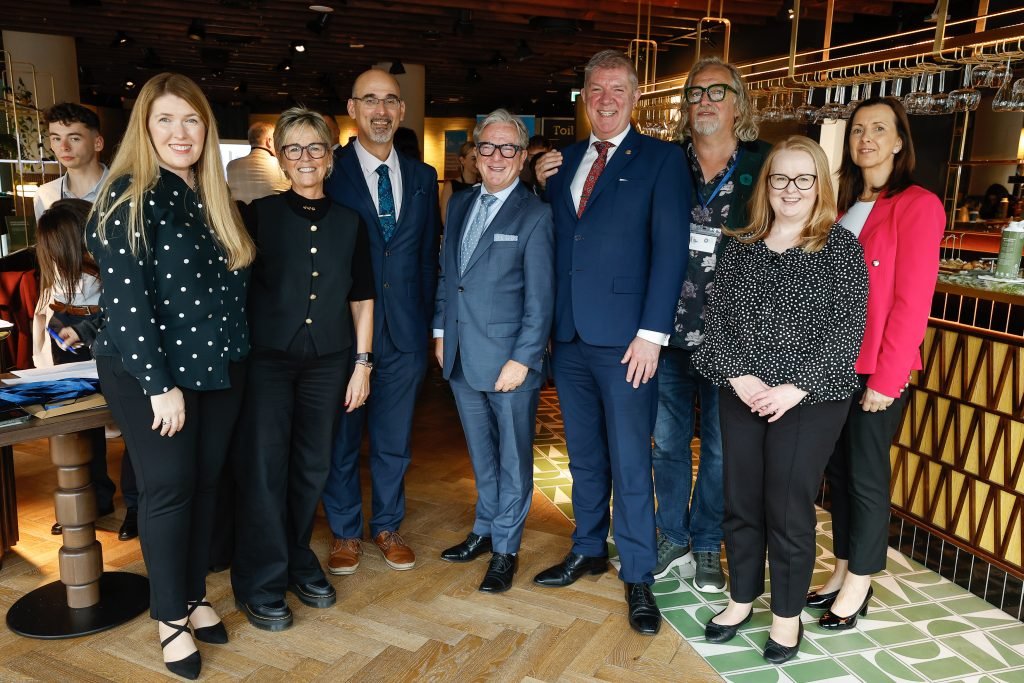
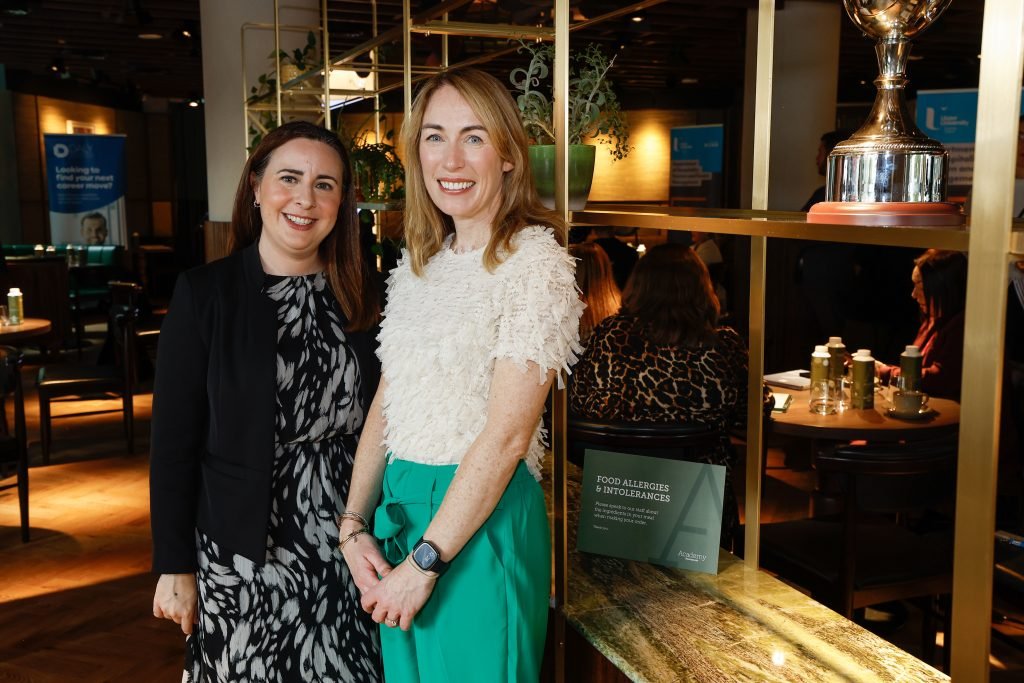
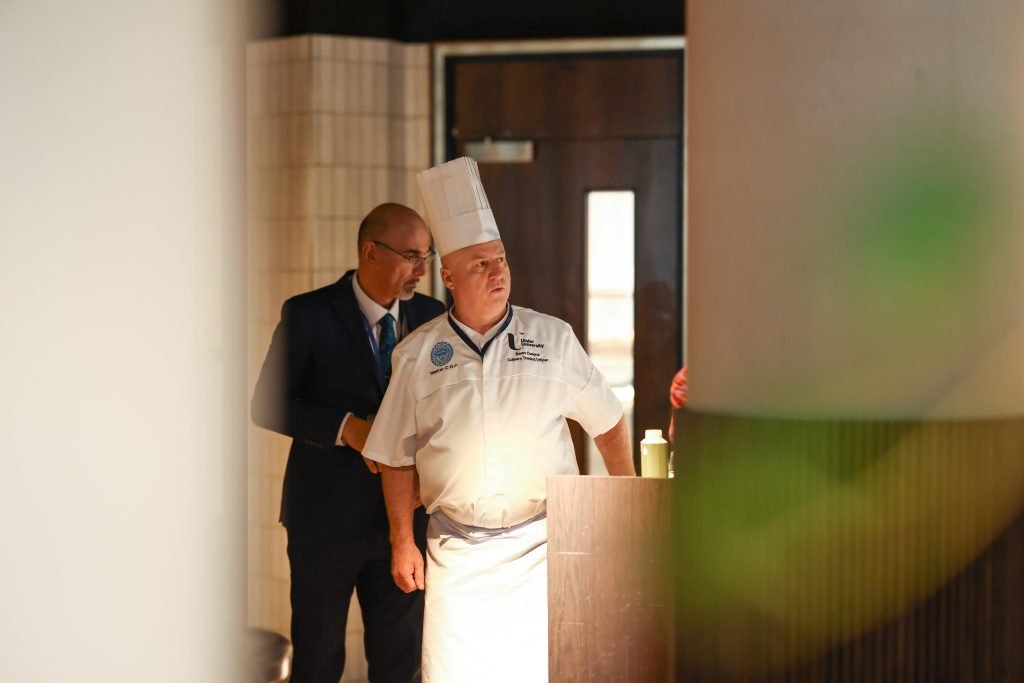
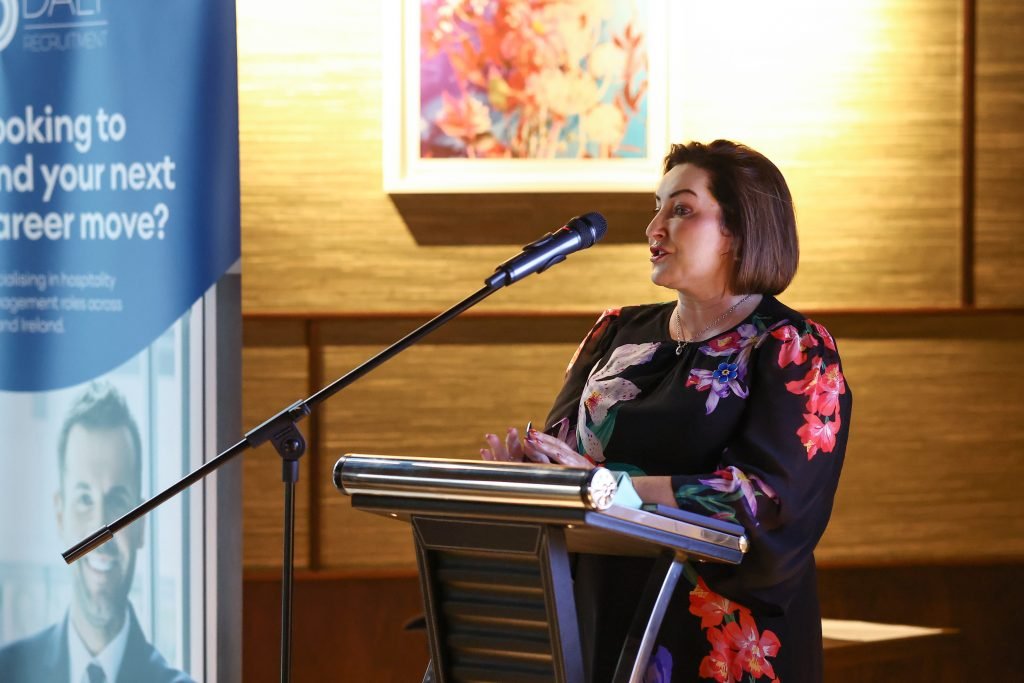
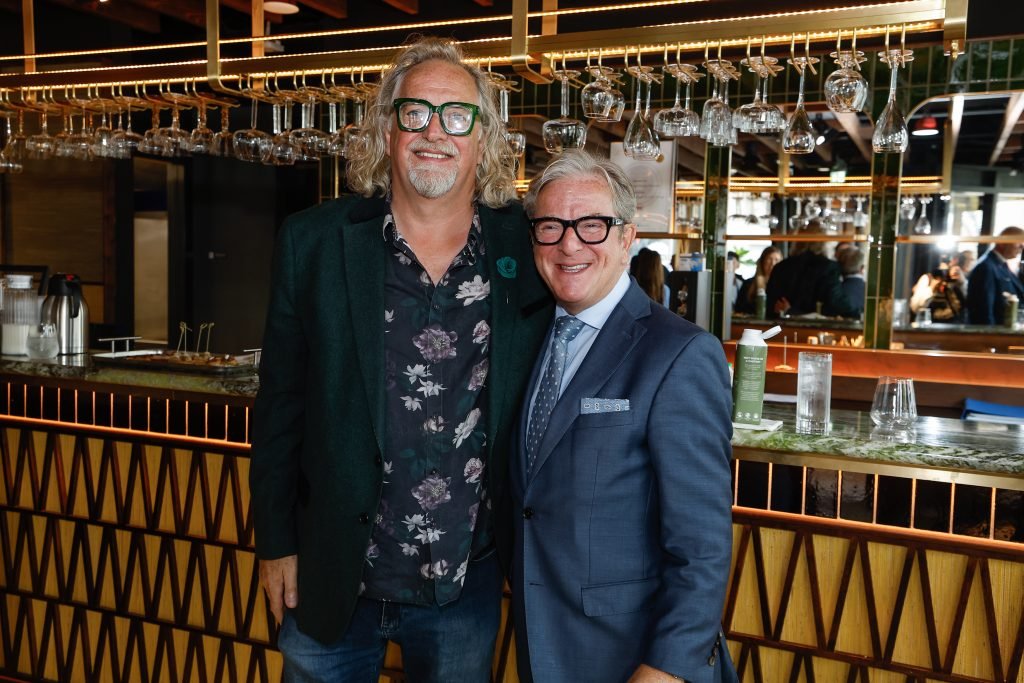
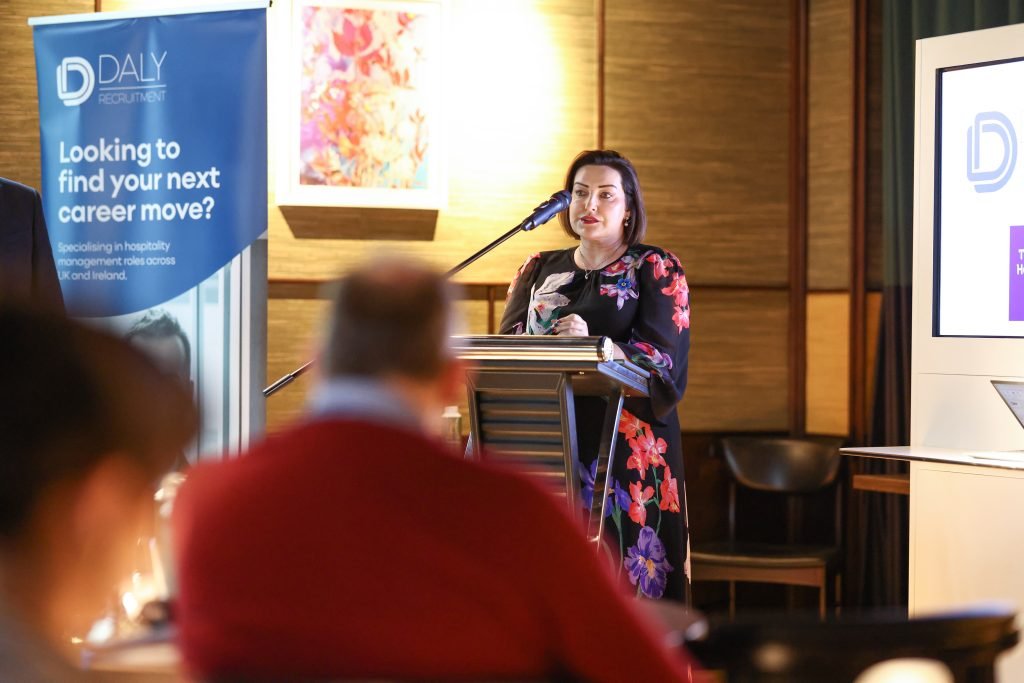
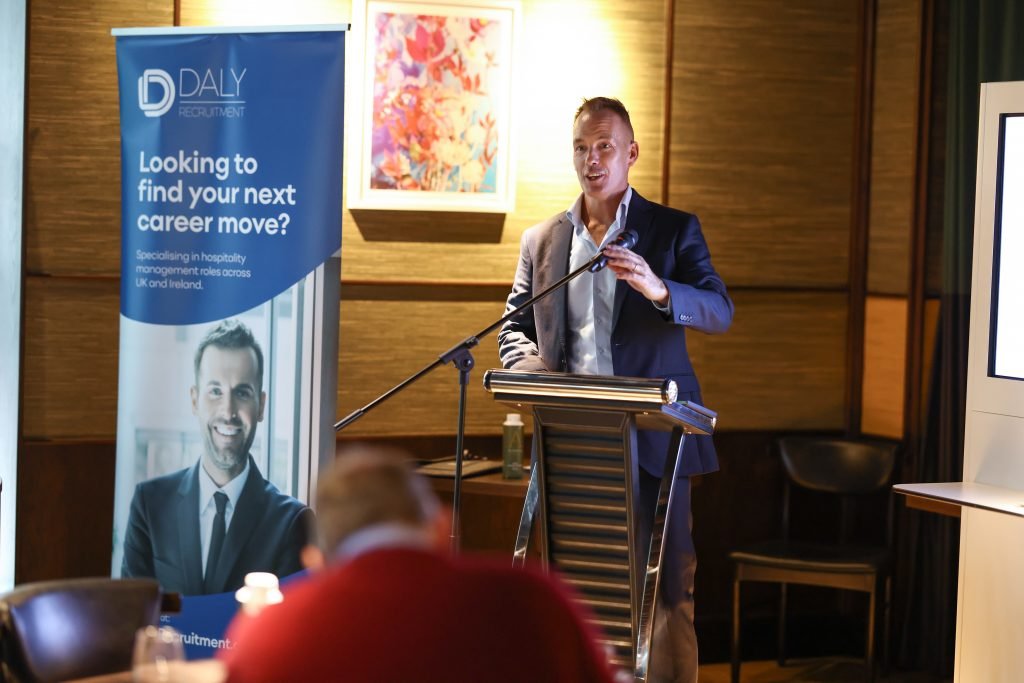
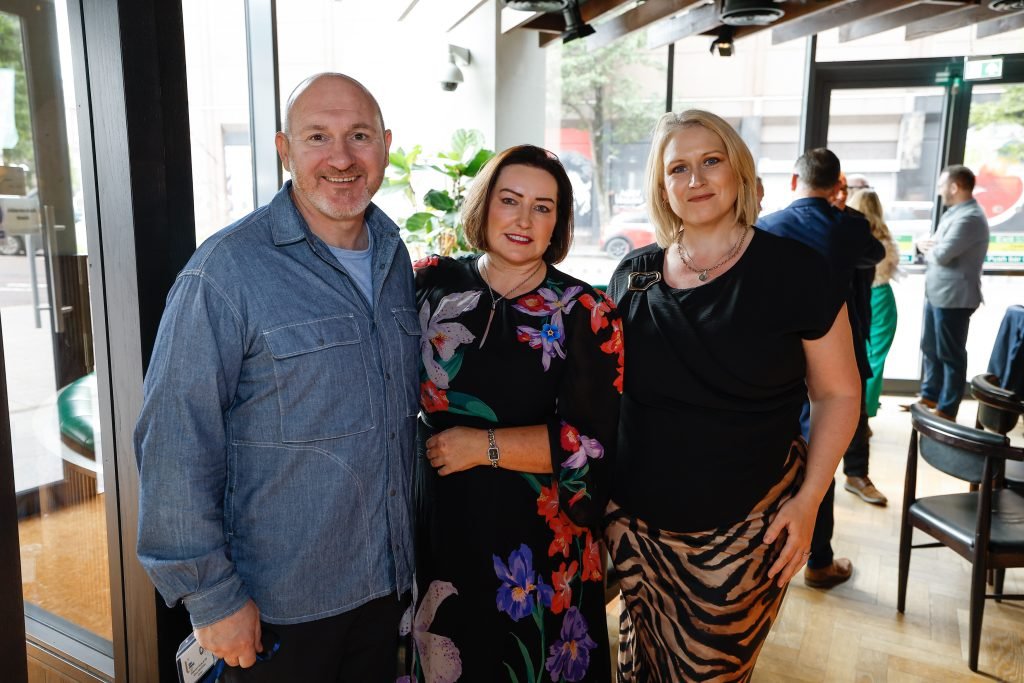
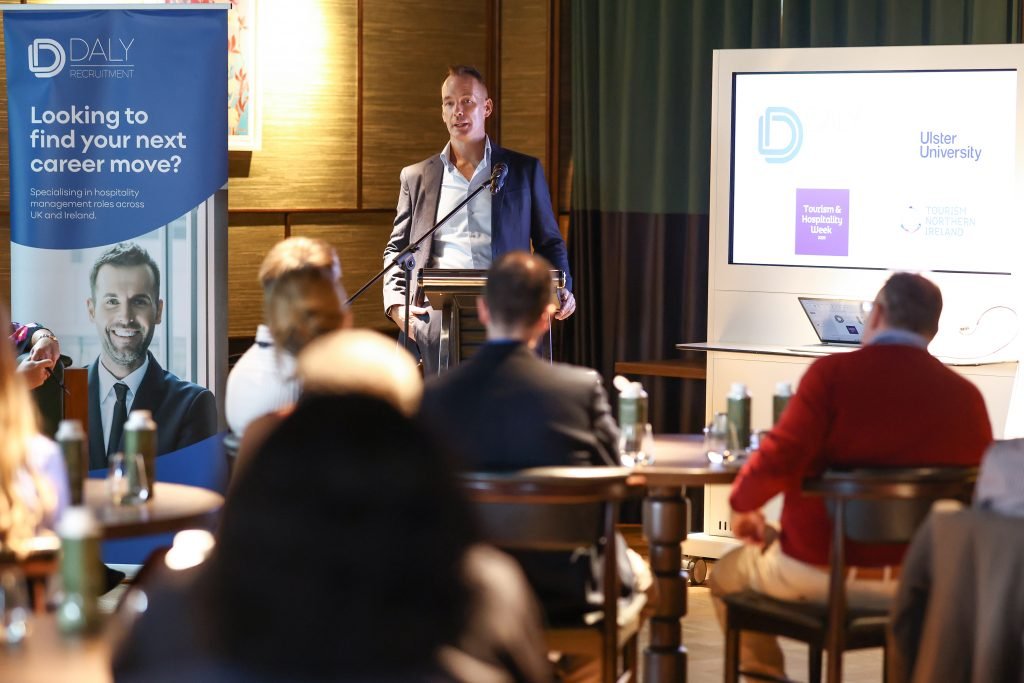
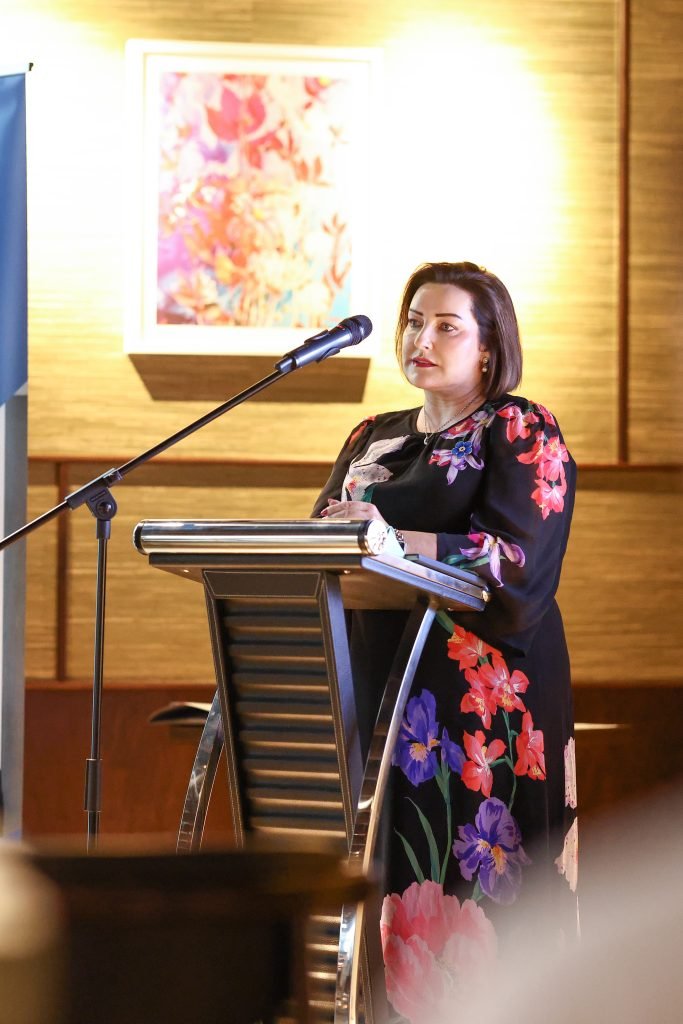
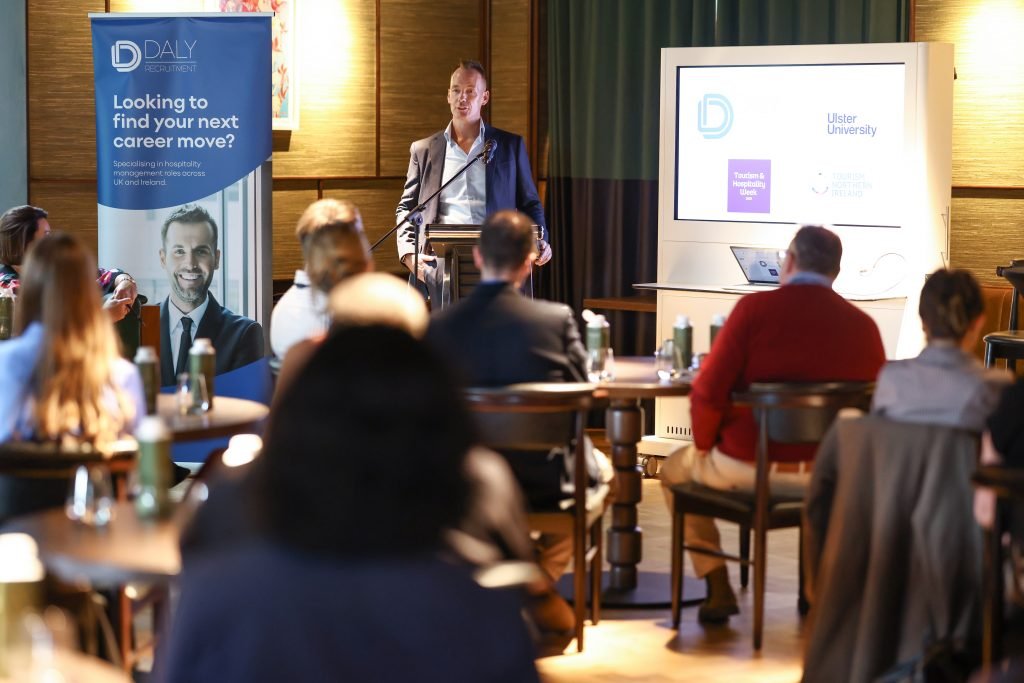
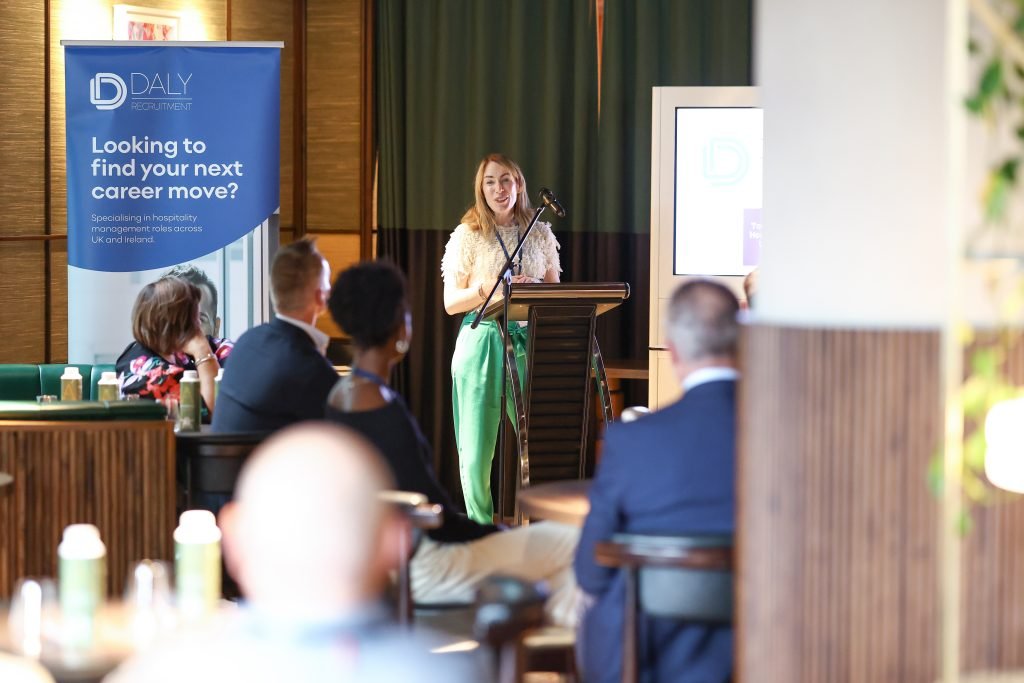
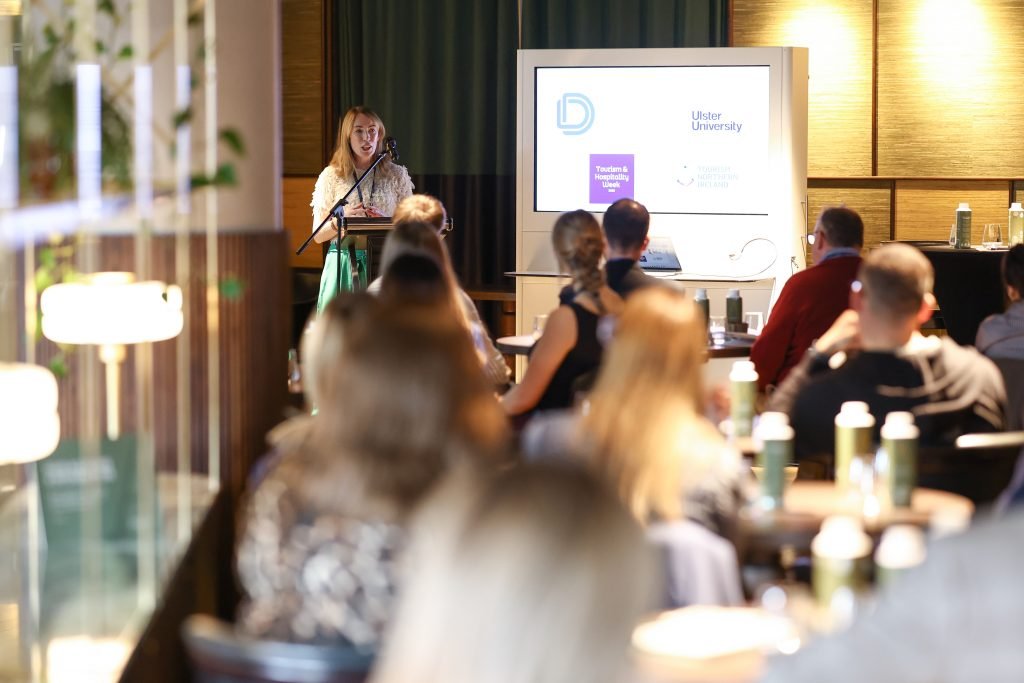
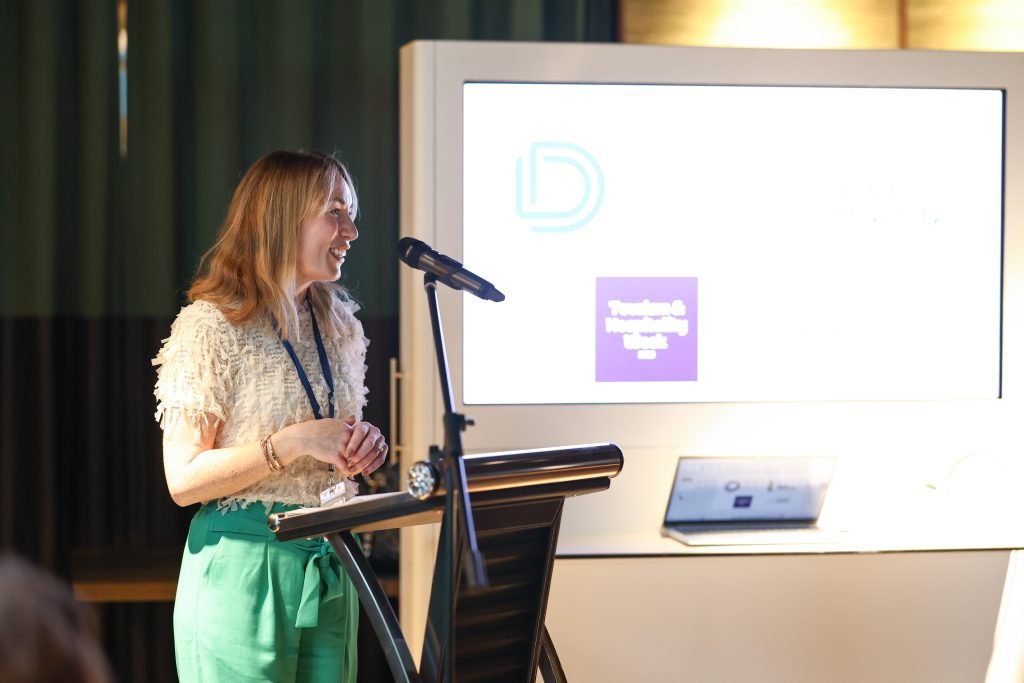
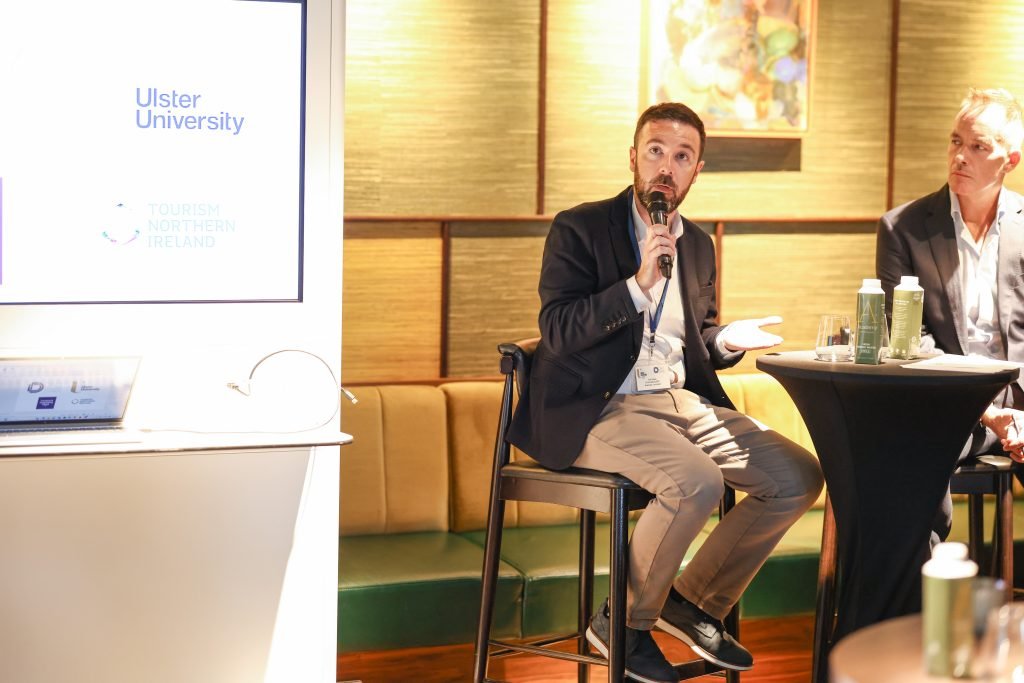
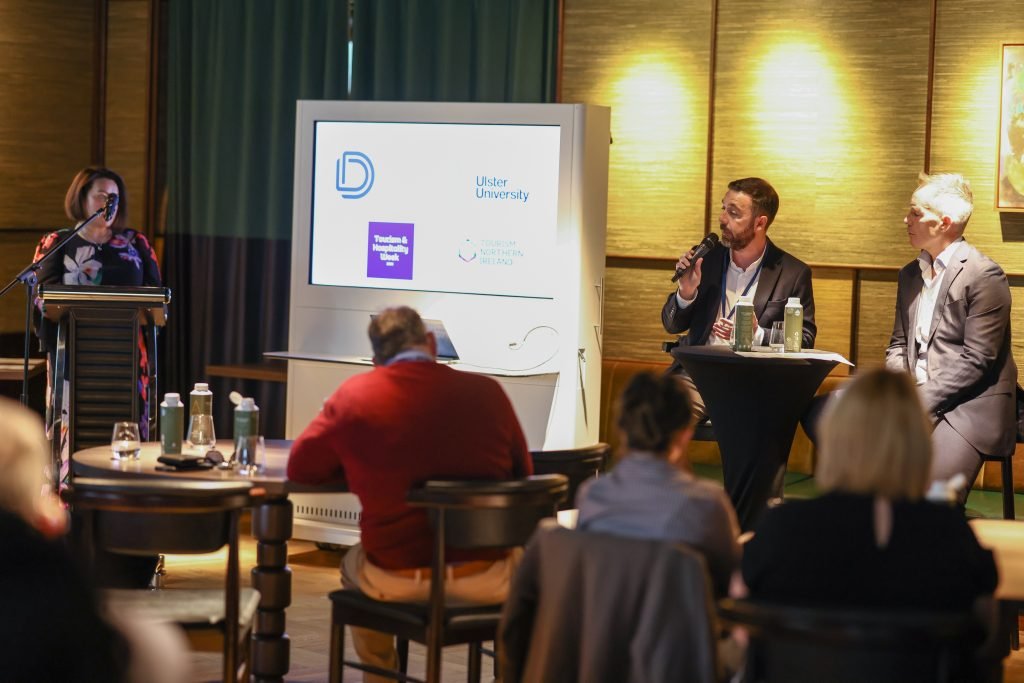
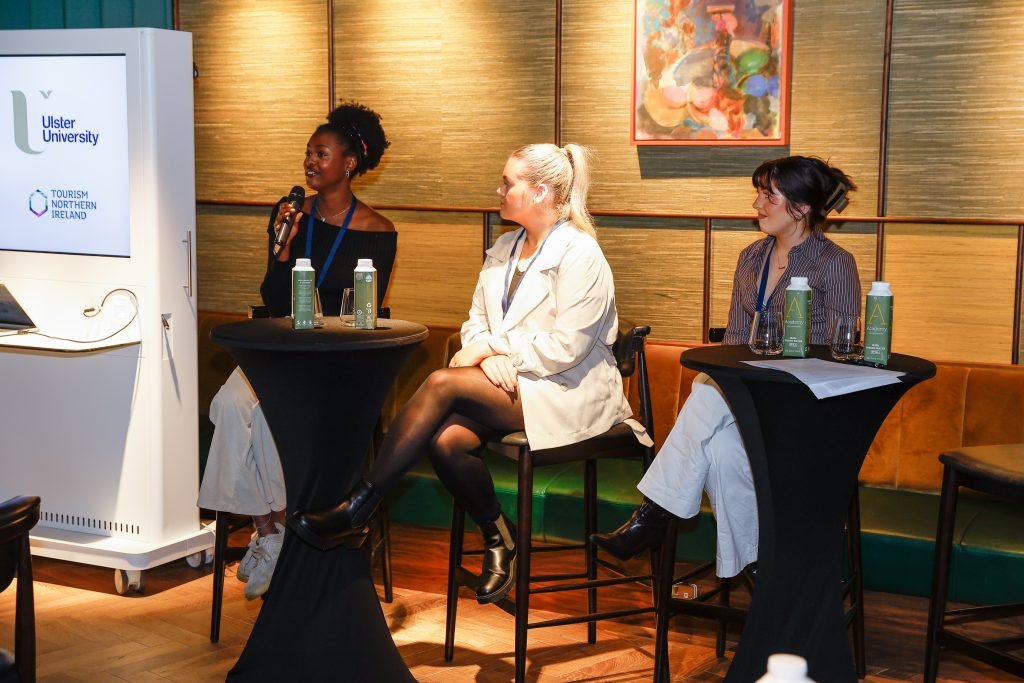
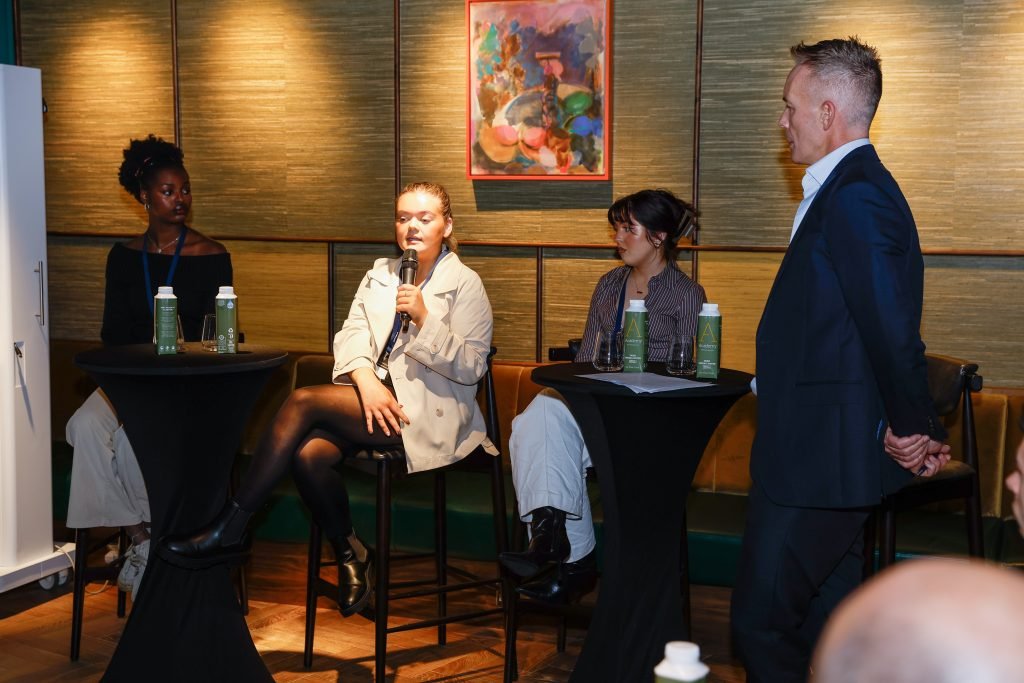
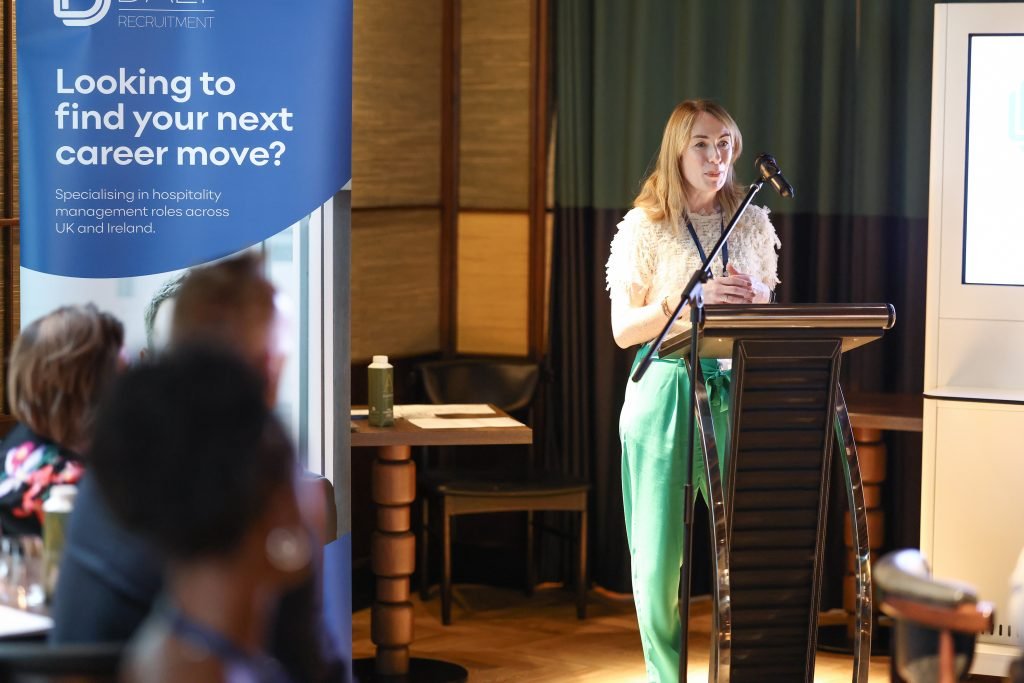
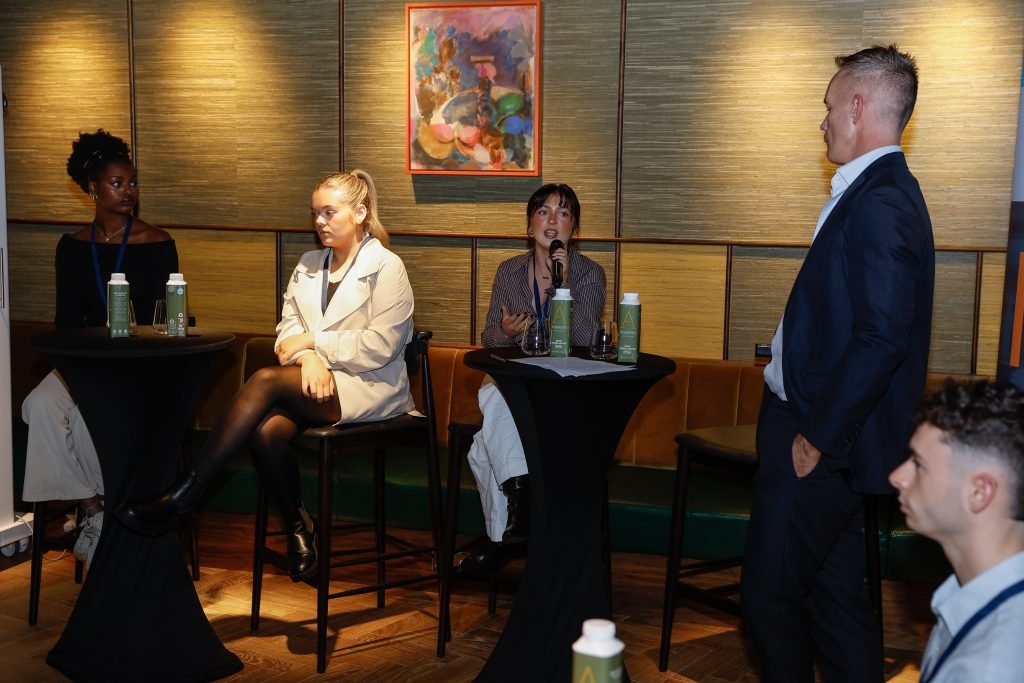
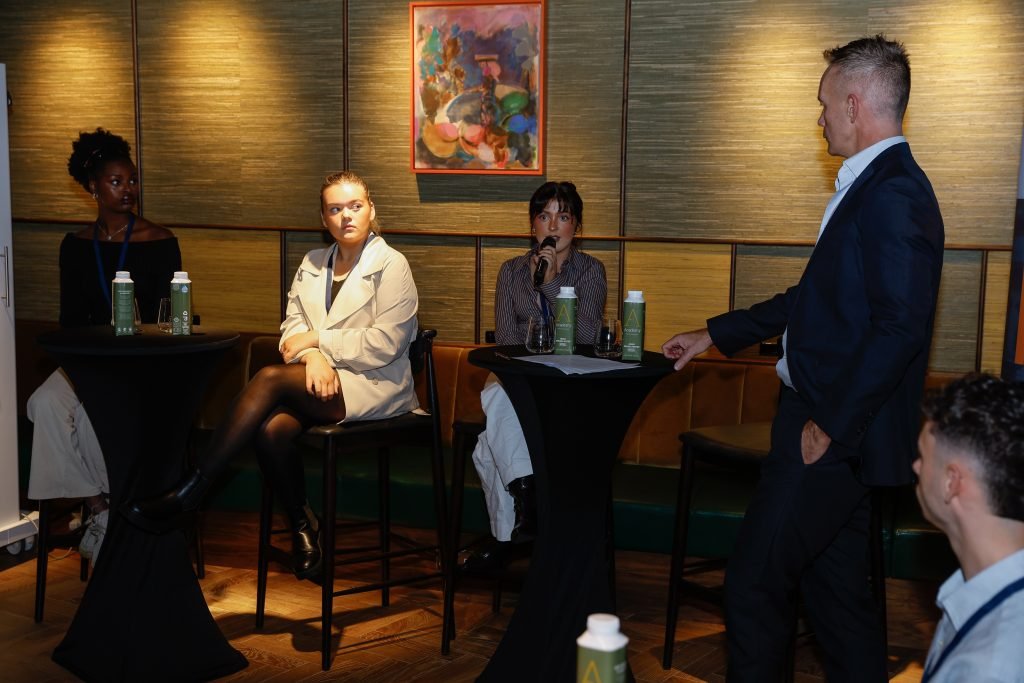
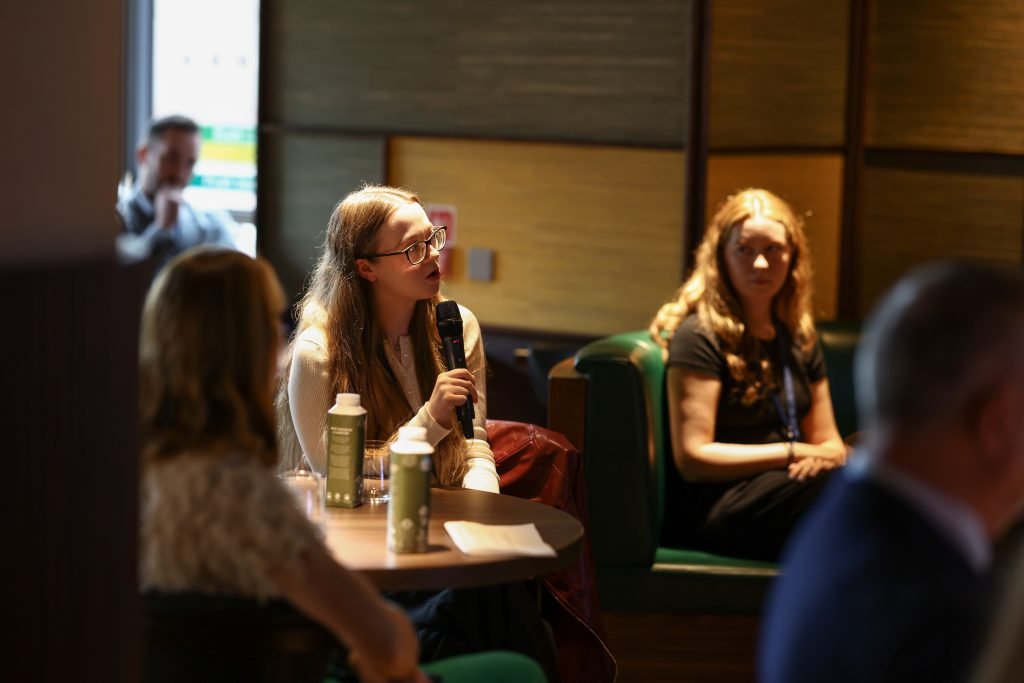
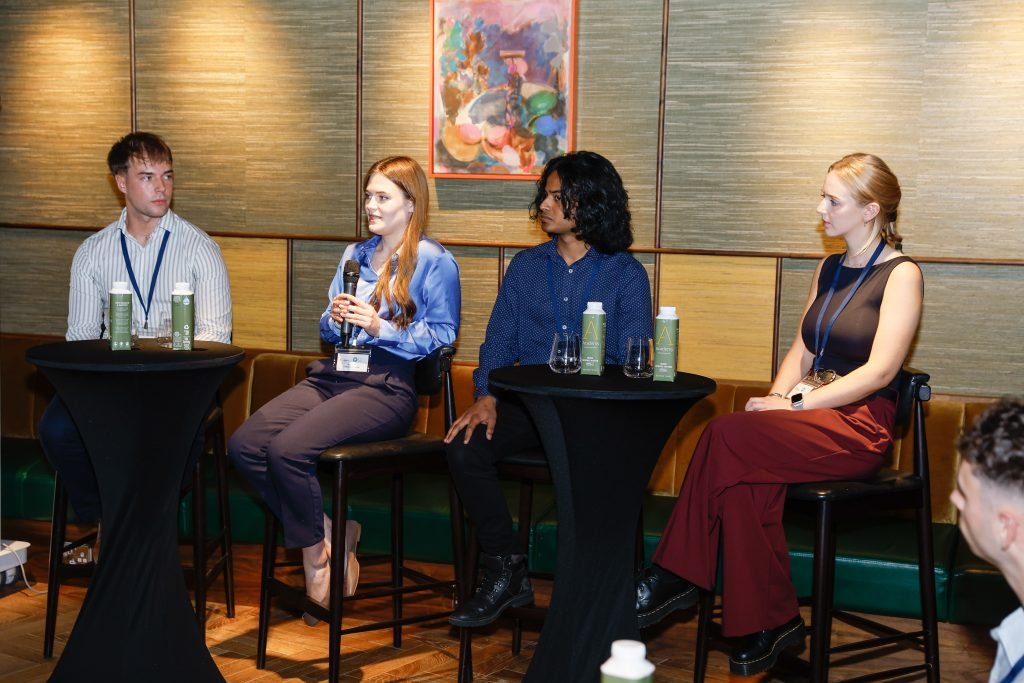
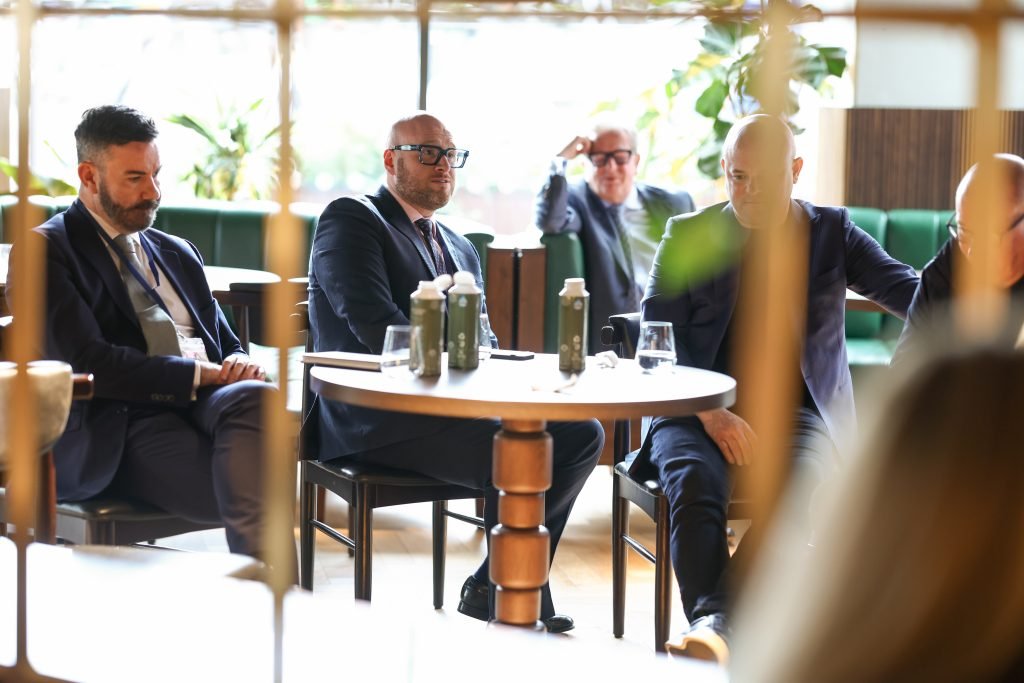
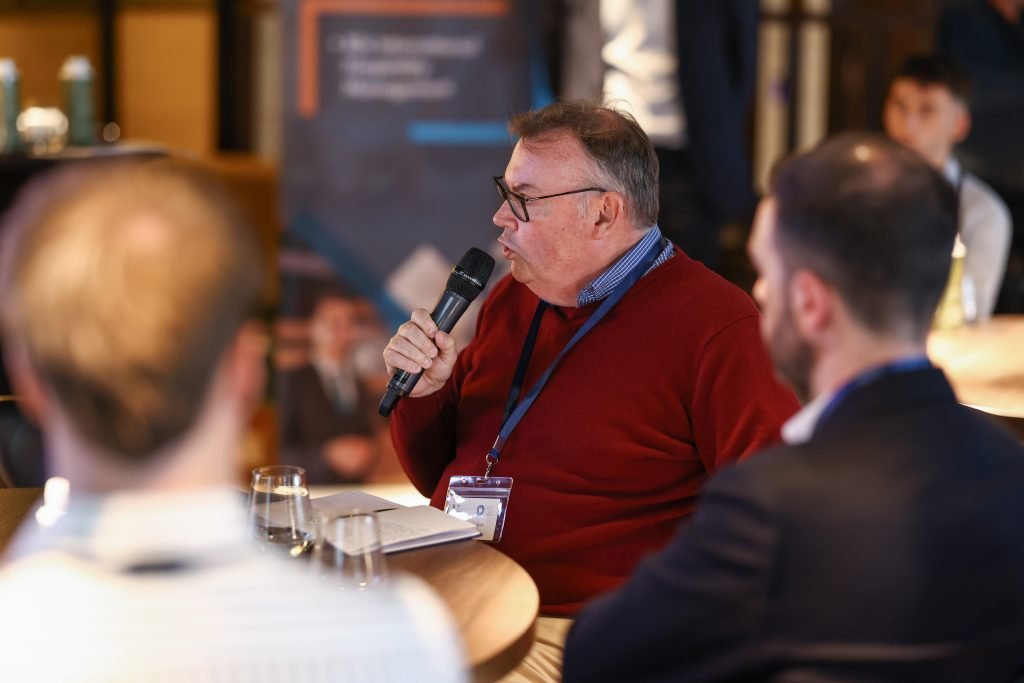
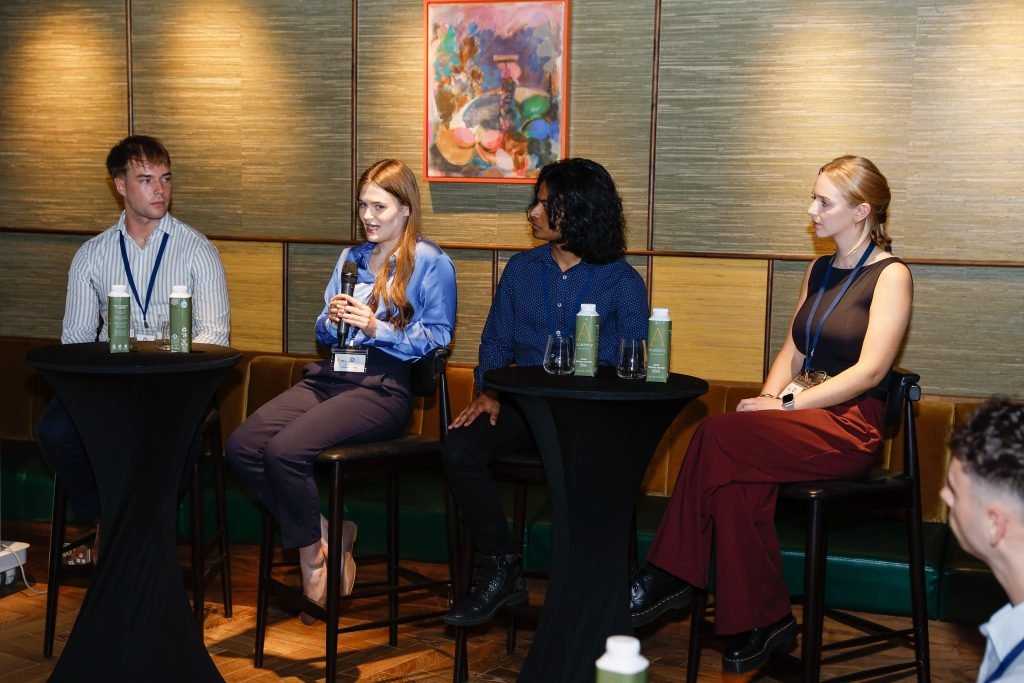
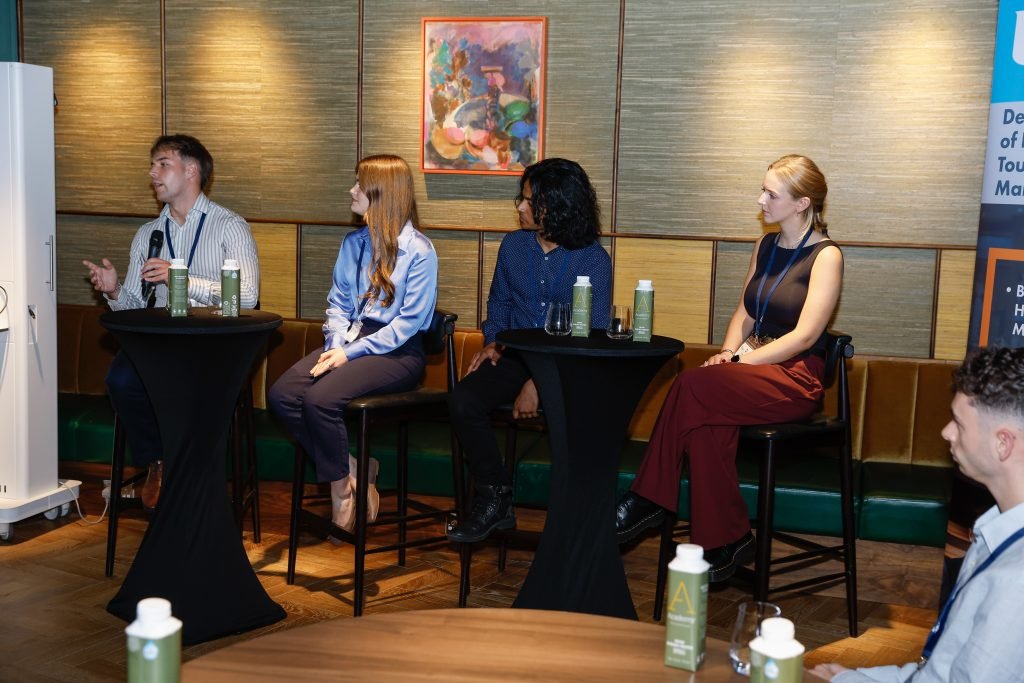
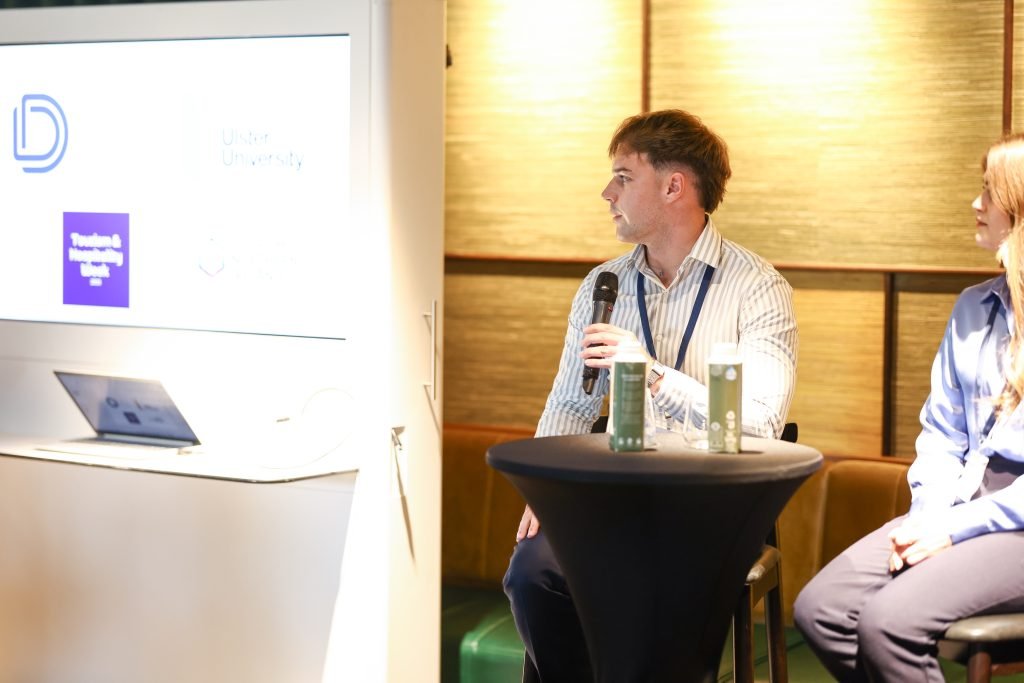
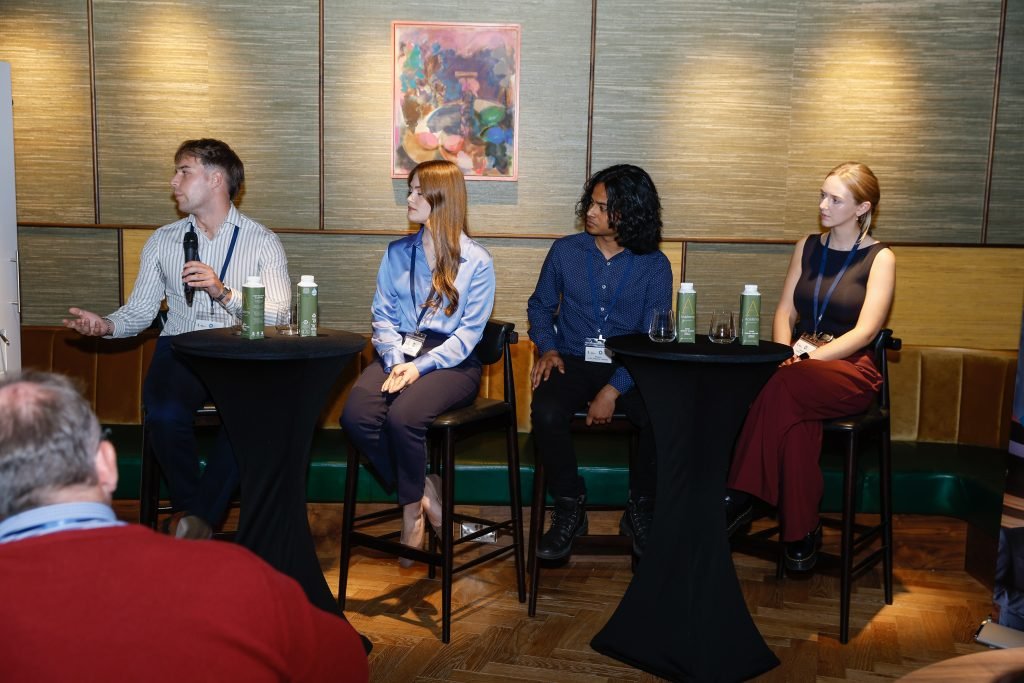
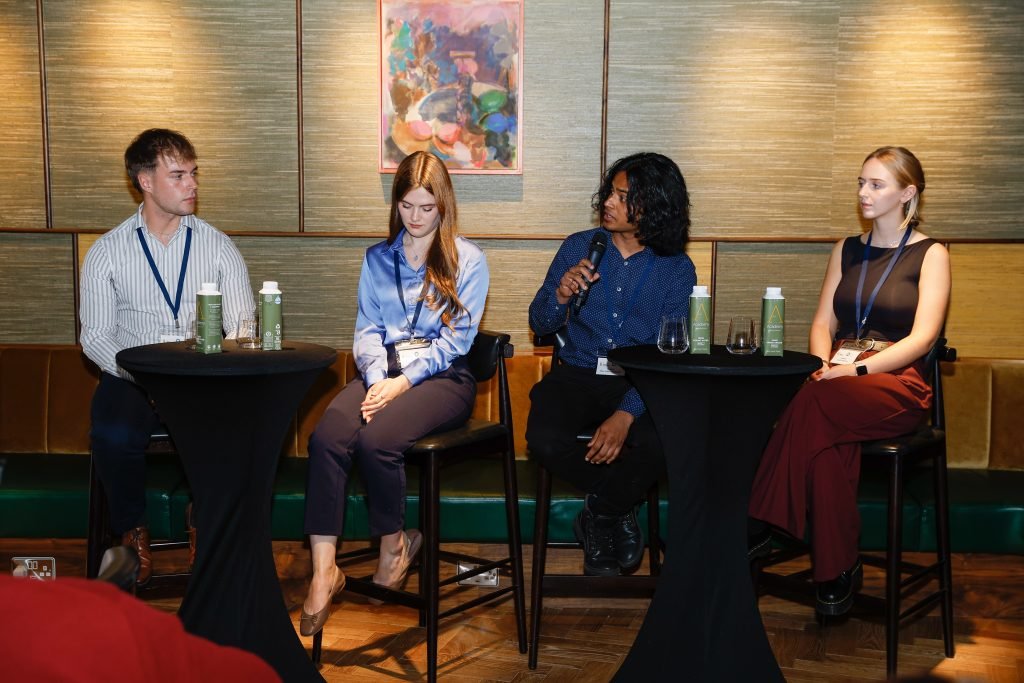
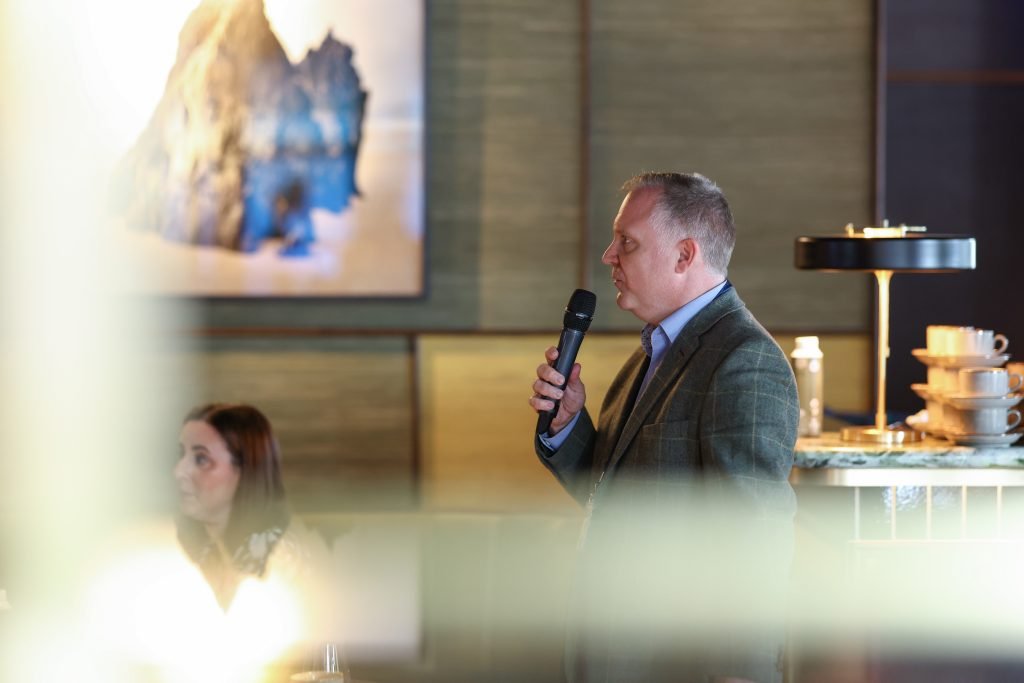
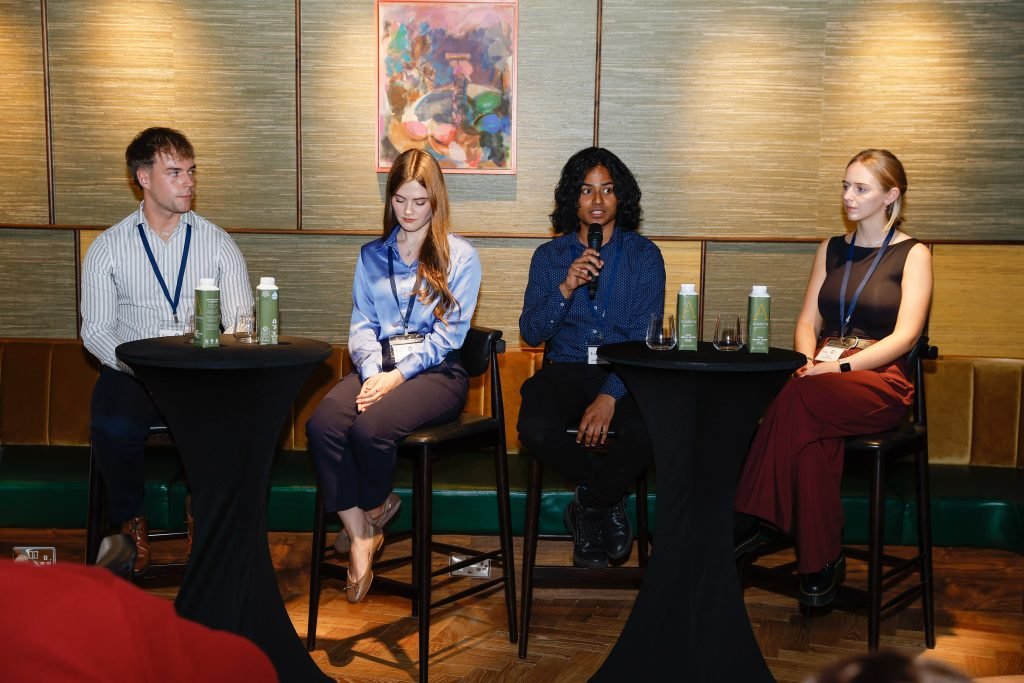
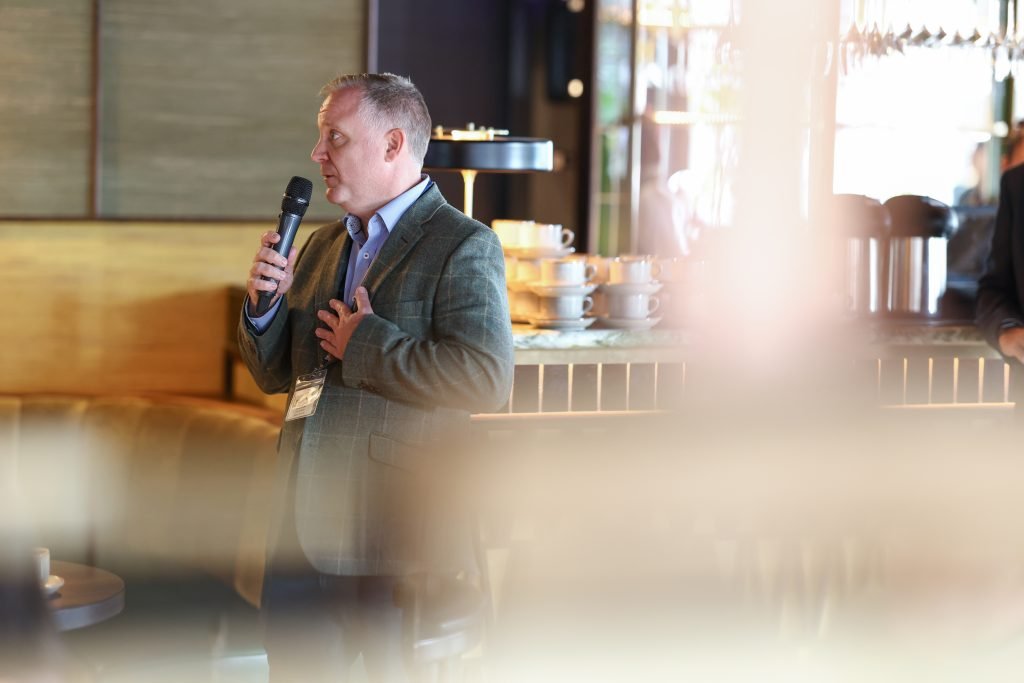
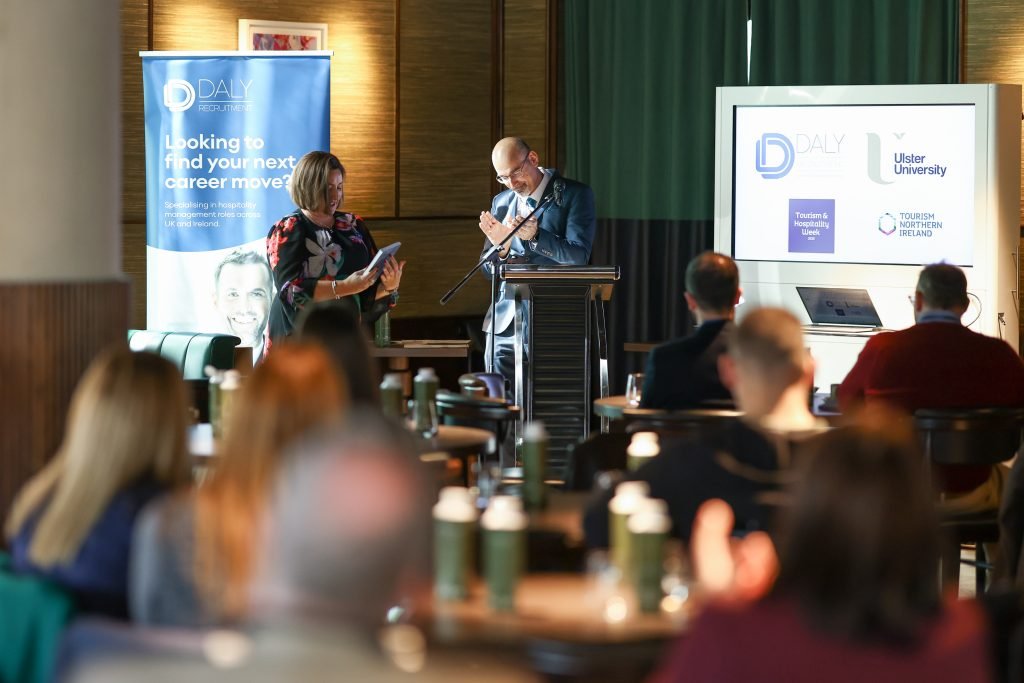
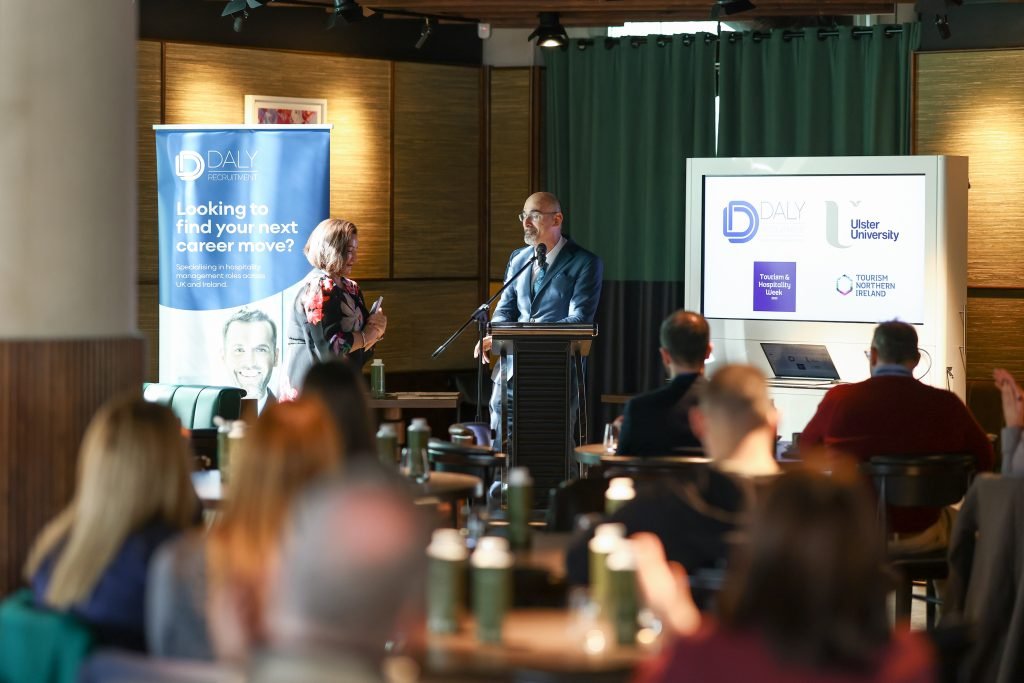
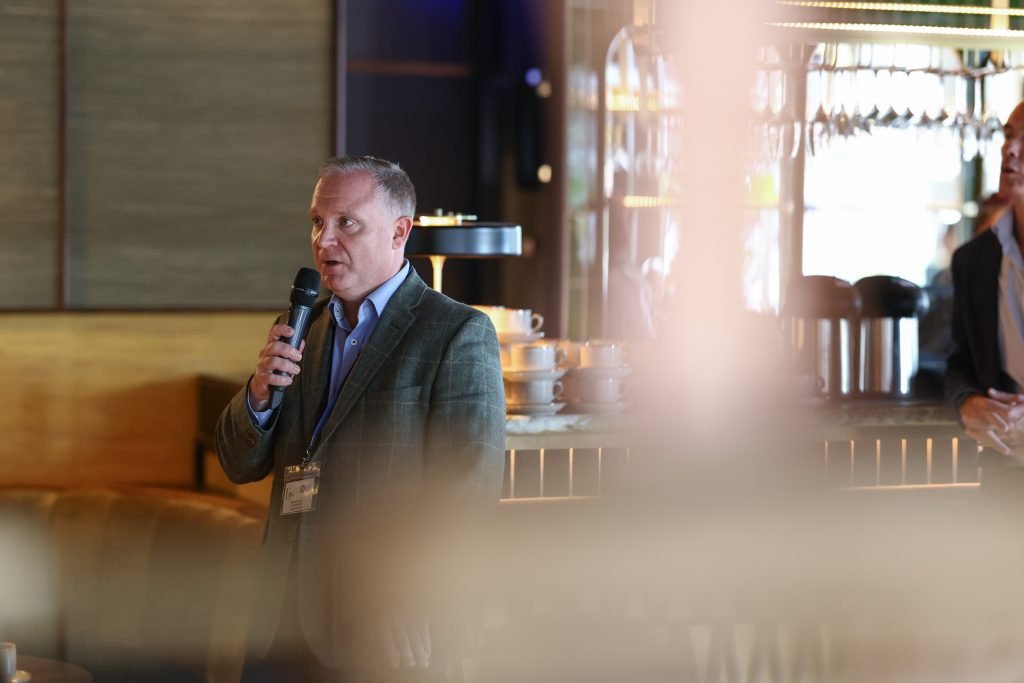
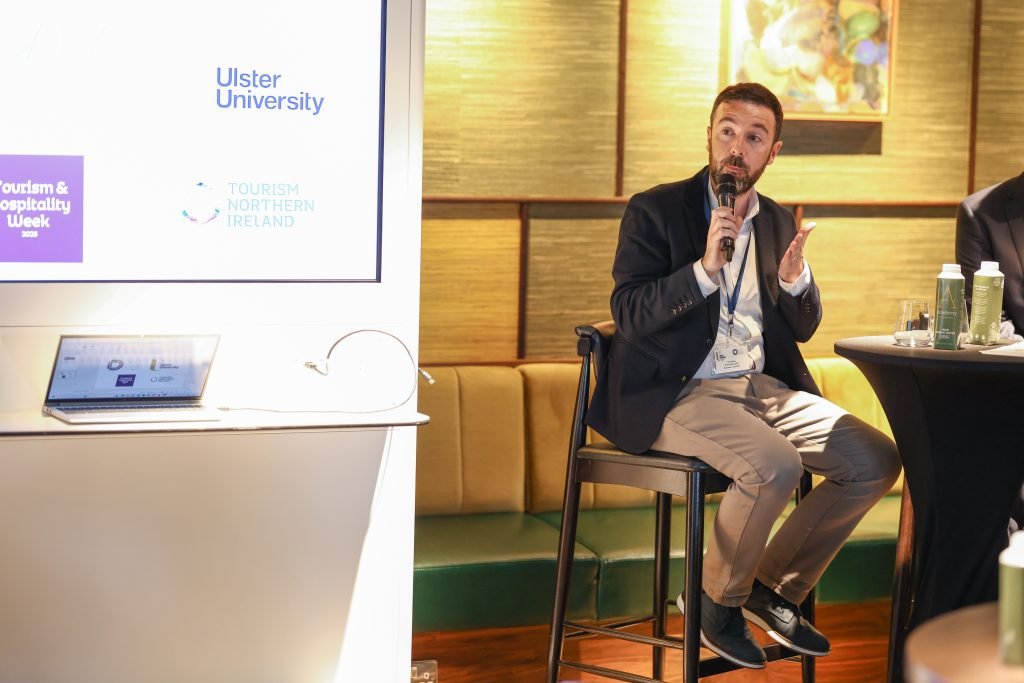
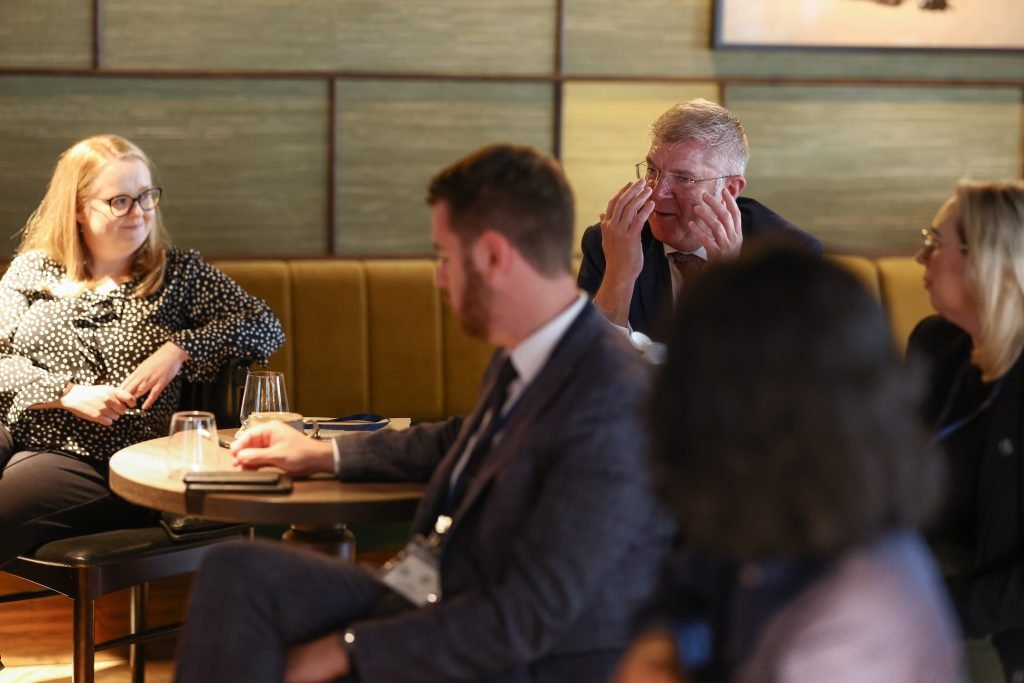
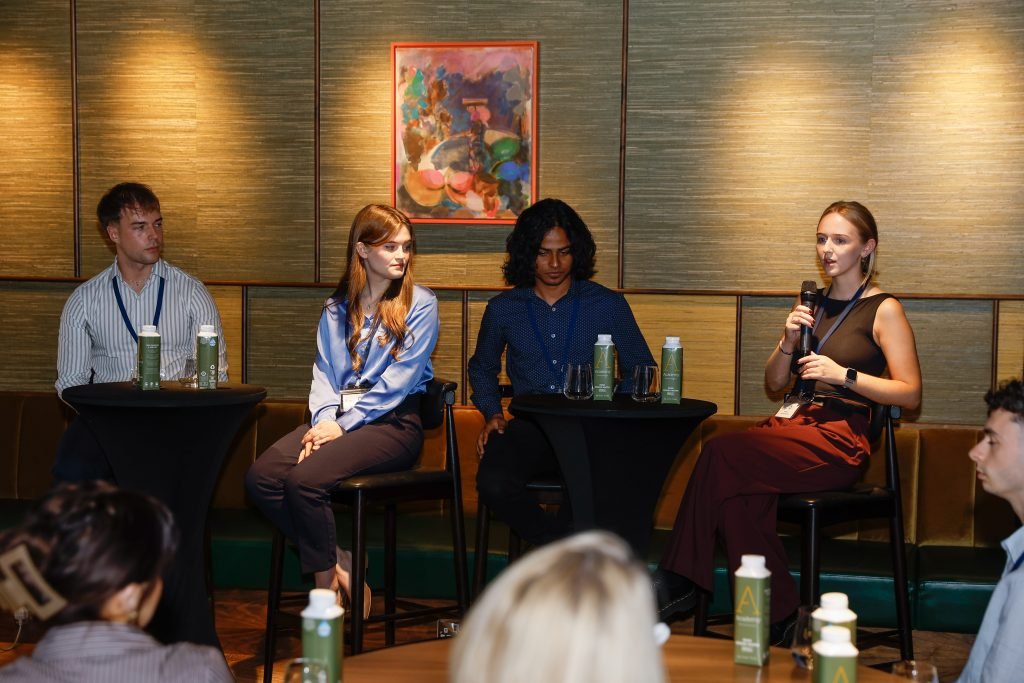
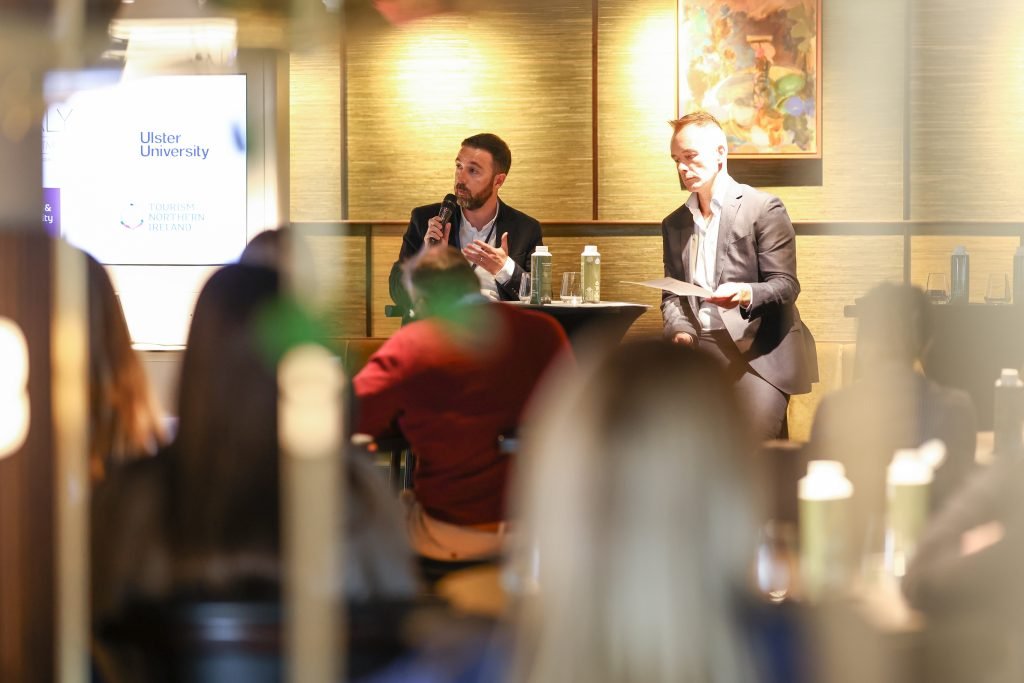
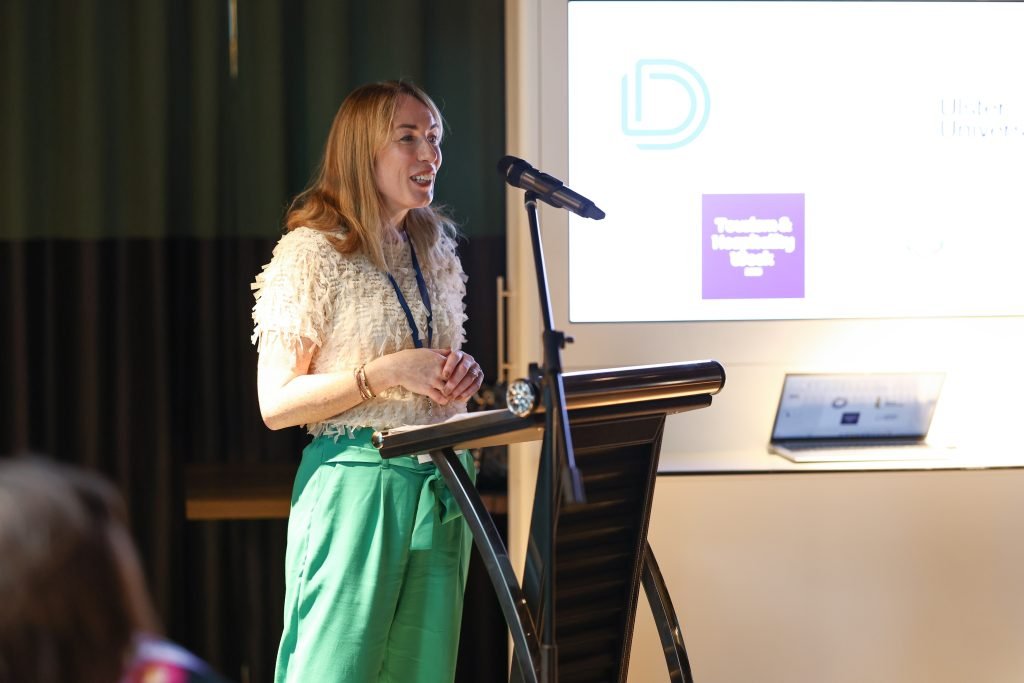
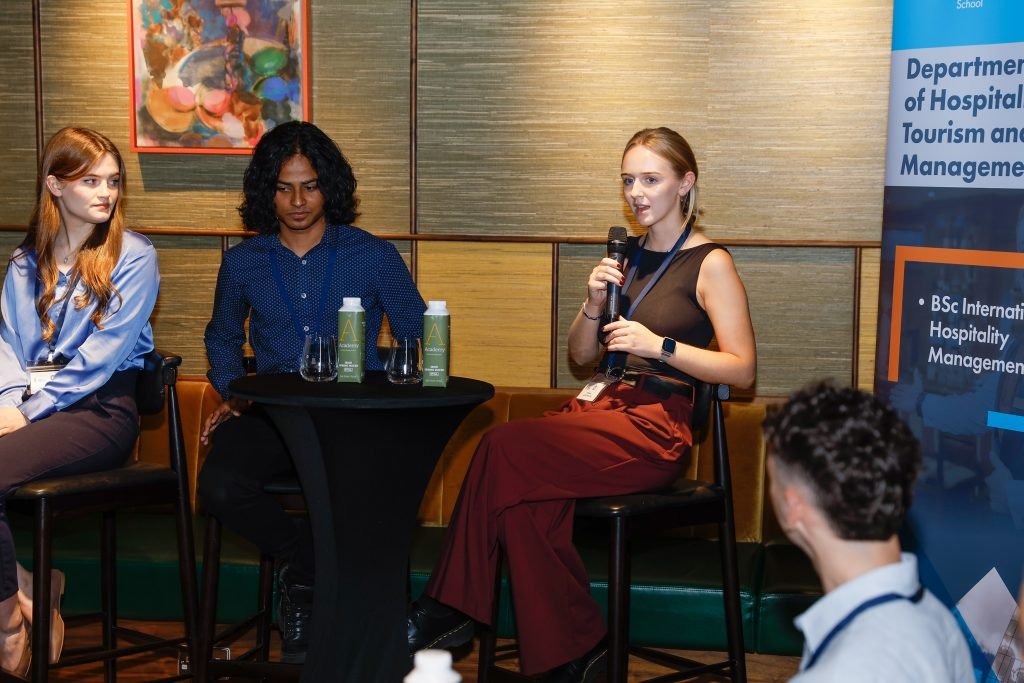
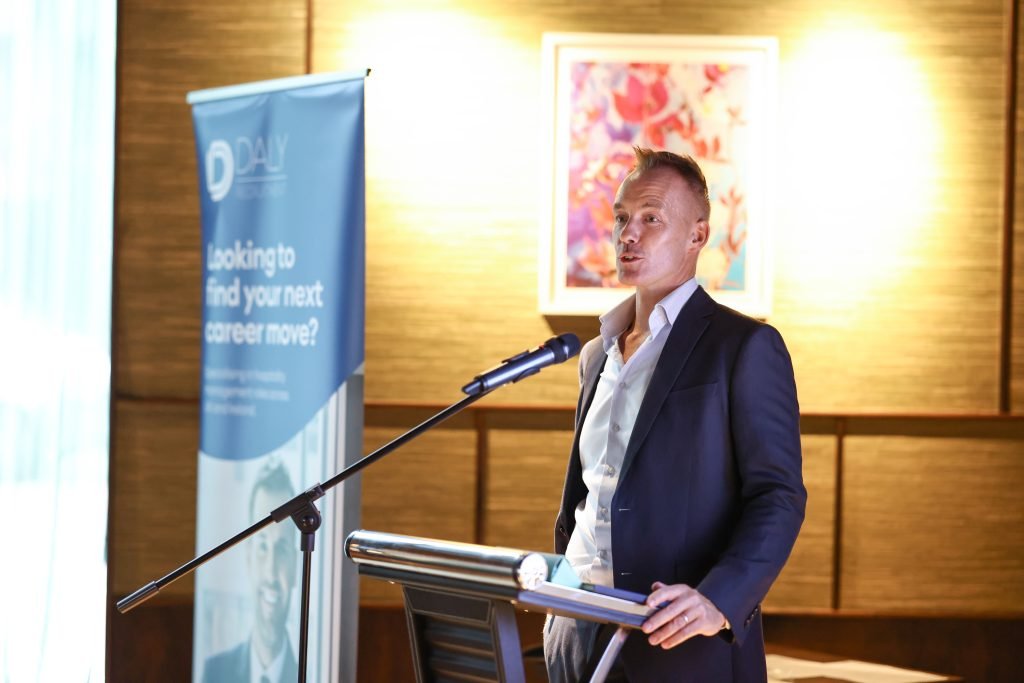
As part of Hospitality and Tourism Week 2025, Daly Recruitment and the Department of Hospitality Tourism and Events Management at Ulster University hosted an exclusive industry forum titled “The Future of the Luxury Hospitality Market: Are We Ready to Attract and Retain the Next Generation of Managers?”

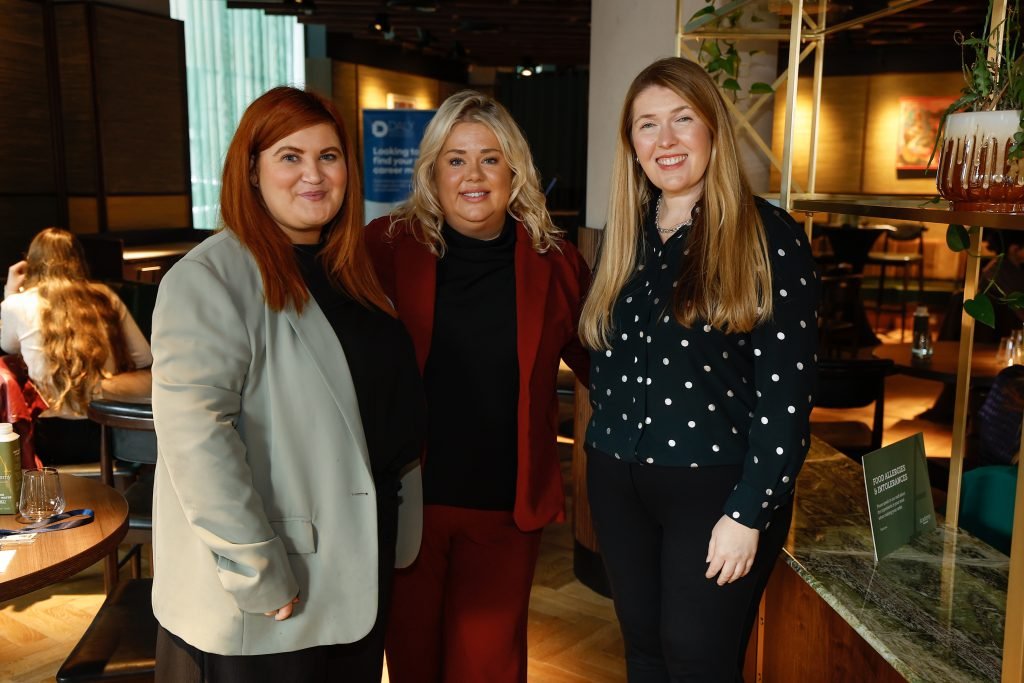
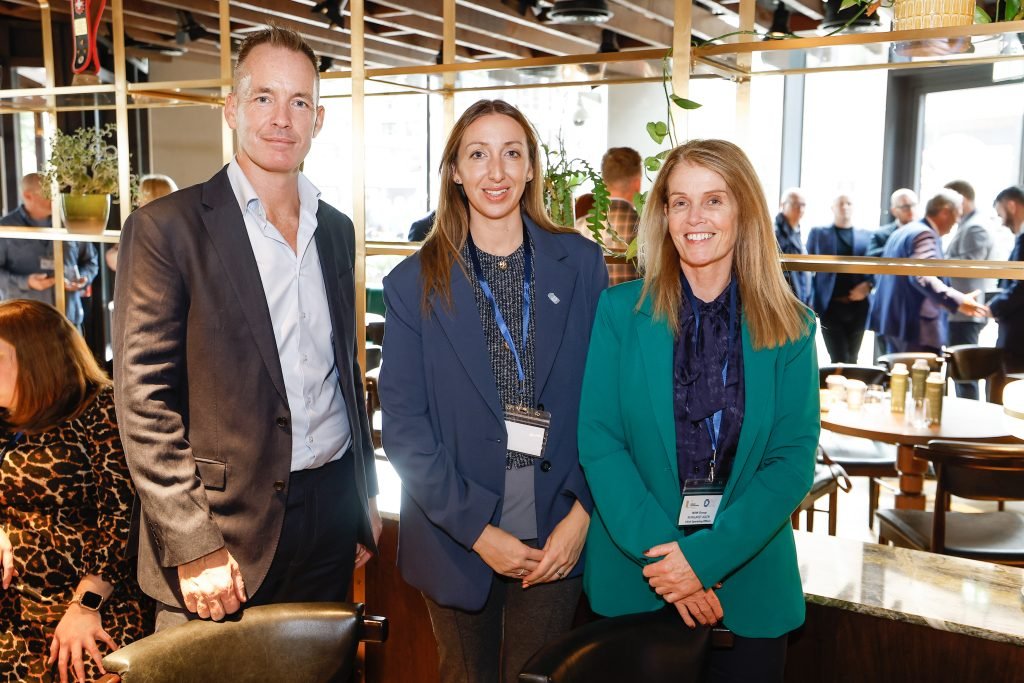
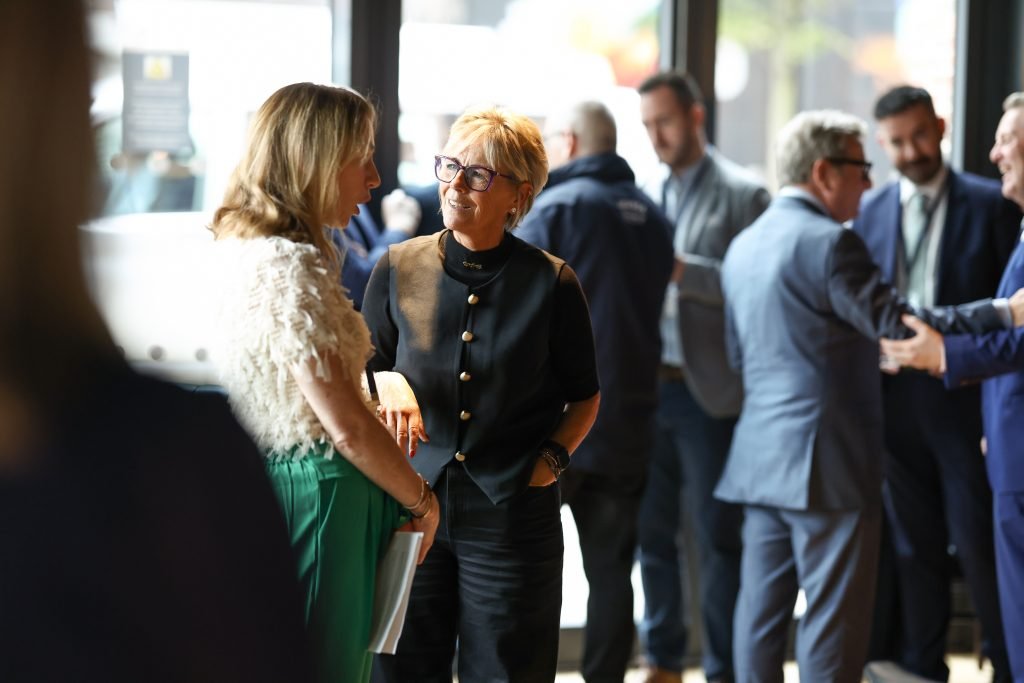
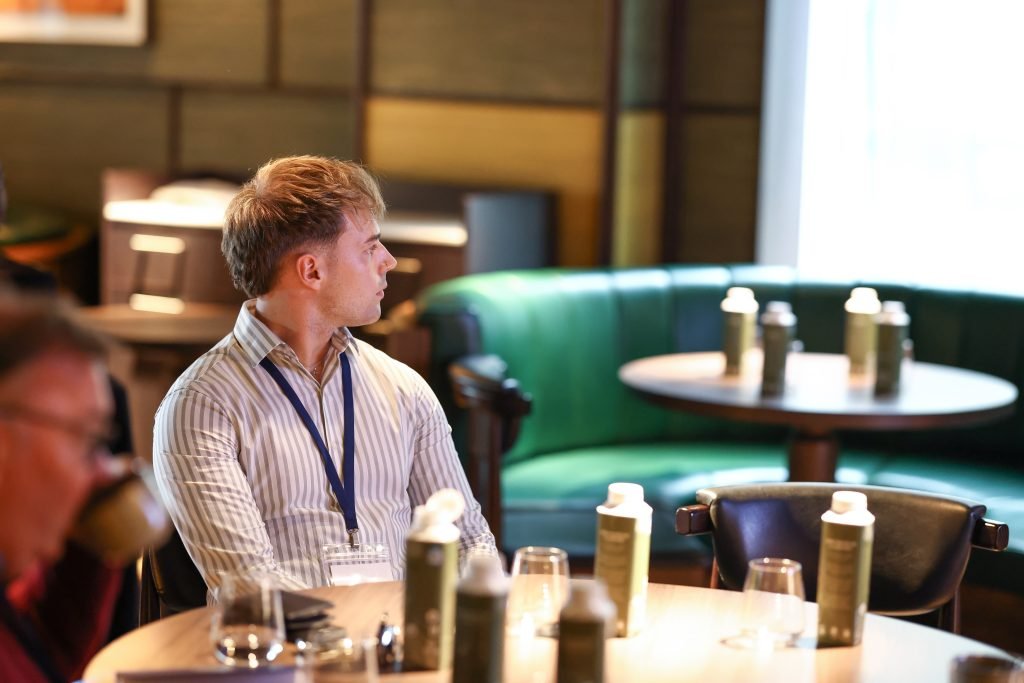
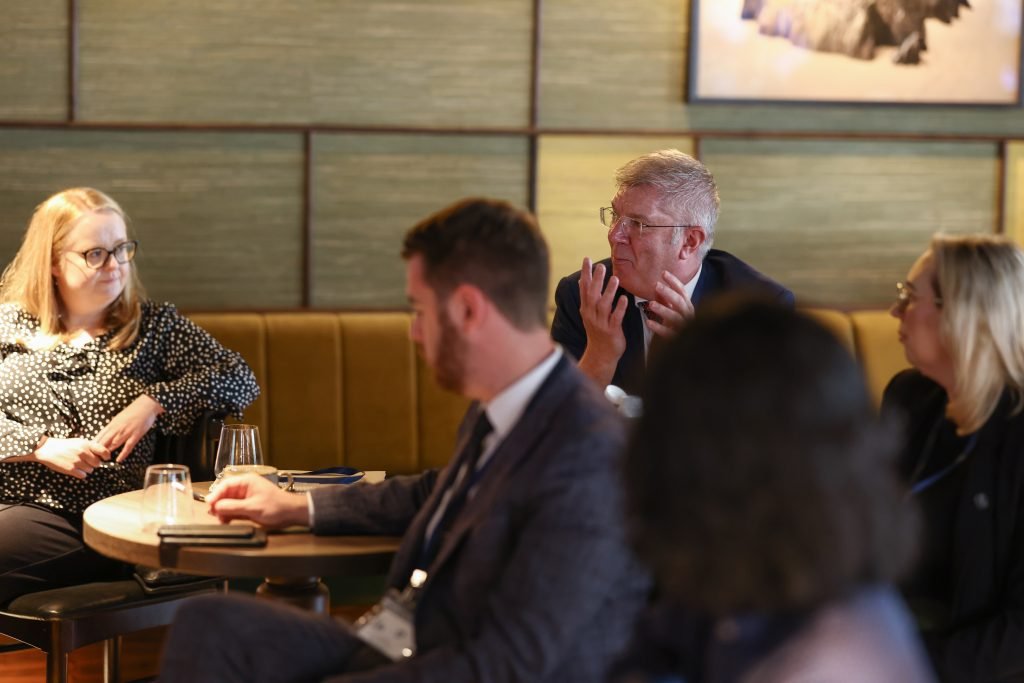
Held in the Academy Restaurant at Ulster University, the event brought together leading figures from the luxury hotel sector alongside students from the university’s award-winning BSc (Hons) International Hospitality Management programme.

With the rise of the luxury traveller continuing to redefine global tourism, discussions focused on how the sector can respond to increasing expectations of personalised service, exclusivity, and experience-driven stays.

Central to the debate was how the industry can build and sustain a strong talent pipeline while addressing the needs of a new generation of managers who prioritise career development, work-life balance, and inclusive workplace culture.

The forum also underlined the critical importance of creating closer connections between employers and students, ensuring graduates are equipped to deliver the elevated standards demanded by luxury hospitality.


Nichola Daly, Director of Daly Recruitment, said:

“This forum highlighted both the challenges and opportunities facing luxury hospitality employers. With the growth of the luxury traveller, the demand for exceptional leadership has never been greater. The open exchange of ideas between hoteliers and students was invaluable in shaping how we attract and retain the next generation of managers.”

Simon Russell, Programme Director BSc (Hons) International Hospitality Management at Ulster University, added:

“The event reinforced the importance of industry and academia working together. By engaging directly with employers, our students gain unique insights into career pathways while contributing fresh perspectives to the sector. 

“Events like this not only prepare our students for the realities of the luxury hospitality market but also ensure that our curriculum remains relevant and responsive to industry needs. Collaboration is key to developing the next generation of leaders who will shape the future of hospitality, and we are delighted that Daly Recruitment have given us this opportunity”

Eimear Callaghan, Head of Experience and Industry Development at Tourism Northern Ireland, said: 

“We very much welcome today’s event as part of Tourism and Hospitality Week. The rise of luxury travel presents a unique opportunity for our tourism sector here as we aim to grow the value of the sector here to £2 billion per annum by 2035. A combination of authentic experiences, high quality accommodation and a strong talent pipeline is critical to realising this ambition.  The excellent attendance at this event from the industry’s key players demonstrates that collaboration and vision in action.” 

Dan Worgan, Regional Director of HR, Europe at Schulte European Group, Slieve Donard and Adelphi Hotel Portrush, said: 

“As Northern Ireland continues to grow as a world-class tourism destination, there is an urgent need to invest in developing luxury hospitality skills. Guests expect exceptional, personalised experiences, and it’s vital we equip our teams with the training and confidence to deliver this consistently. At Marine & Lawn Hotels & Resorts, we see luxury skills development as key to sustaining growth and attracting global visitors.”


Final-year International Hospitality Management student, Luke Guy, added: 


“My placement year in industry gave me first-hand insight into the standards set by global luxury hotels and highlighted how important it is for our generation to learn directly from industry leaders. The experience gained through my studies at Ulster University and on placement has inspired me to aim higher in my career and to play a part in raising standards in luxury hospitality here in Northern Ireland.”

The forum commenced with a networking lunch, providing employers and students the opportunity to build meaningful connections that will support future placements and long-term career development within the luxury hospitality industry.

This is just one of the many events which tool place throughout Tourism and Hospitality Week 2025, across the industry from Tuesday 23rd September until Wednesday 1st October and will include a number of signature and supporting events.


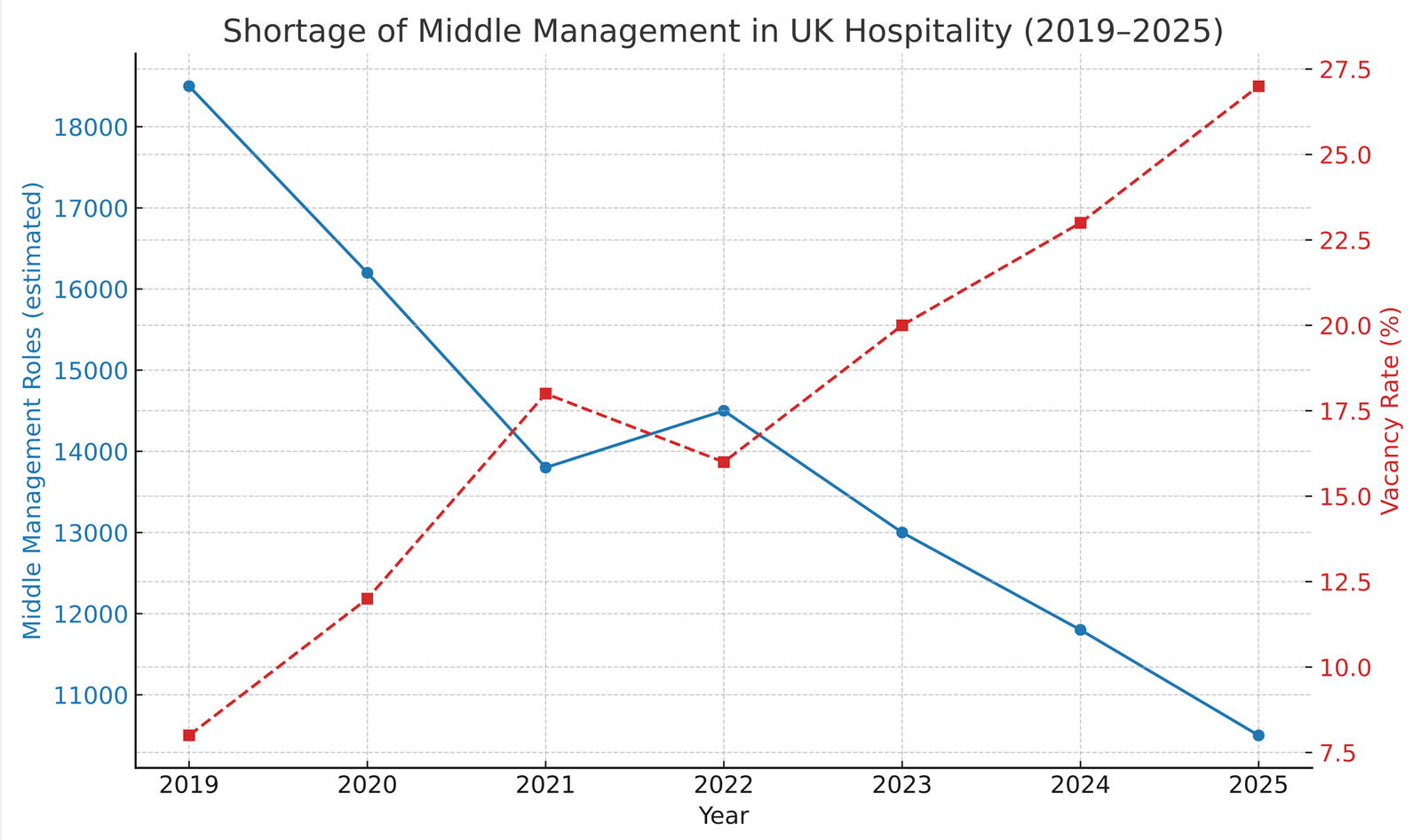
The Middle Management Gap: A Silent Crisis in Hospitality

The hospitality industry is facing a growing challenge one that doesn’t always make headlines but has serious long-term implications: a shortage of strong middle management talent.

While entry-level recruitment remains relatively active and senior leadership often grabs the spotlight, it’s the middle tier : duty managers, assistant GMs, operations managers, heads of department – where we’re seeing a dangerous vacuum. These are the people who keep operations running, bridge strategy and delivery, and shape the next generation of leaders. Without them, the entire structure starts to wobble.

Many experienced middle managers left the industry during the pandemic and haven’t returned. Others have been promoted too quickly out of necessity, without the right training or mentorship. And with fewer people entering the industry at grassroots level, our future talent pipeline is thinning fast.

If we don’t invest now in training, retention, development, and genuinely valuing this vital layer of leadership  the long-term health of the industry is at risk. Strong middle managers aren’t just operational glue; they’re future GMs, directors, and industry innovators.

We need to stop treating middle management as a stepping stone and start recognising it as a strategic priority.

At Daly Recruitment, we’re focused on supporting employers who see this gap and want to fill it with the right people, with the right values, for long-term success.


shortage of middle management in hospitality uk


Northern Ireland Hospitality Market Overview – July 2025

As we move through summer, the Northern Ireland hospitality landscape continues to evolve, with major hotel openings, shifting workforce dynamics, and renewed challenges shaping the sector. Here’s a snapshot of where things stand in July 2025, and what’s on the horizon.


Hotel Development & New Openings:

Northern Ireland now boasts 9,548 certified hotel rooms across 141 properties, and we’re on track to surpass 10,000 rooms by early 2026 especially when alternative accommodations like lodges and glamping pods are factored in.

Key 2025 highlights:

  • The City Hotel (Derry) → Rebranded as DoubleTree by Hilton Derry
  • The Marcus and Dunluce Lodge (Portrush)  → New Openings
  • The Bedford (Belfast) → Opening this autumn
  • Habourview Hotel → First Whiskey hotel opened in County Antrim.
  • Moxy Belfast → Soon to join the city’s vibrant lifestyle scene
  • The Adelphi Hotel (Portrush) → Fully refurbished, now positioned as a luxury coastal destination.
  • Armagh City Hotel → Acquired by McKeever Group, showing investor confidence in the region.
  • The Ringland Group → has acquired the former BDO offices on Callender Street for a new 76-bedroom accommodation venture.
  • Clover Group → has lodged for a new hotel development above White’s Tavern one of Belfast’s oldest pubs.

These developments mark growing strength across Belfast and the North Coast,  just in time for international attention from events like The Open Championship.

Projected hotel investment: £2 billion by 2027, with at least five more developments currently in the pipeline.


Employment & Labour Market Trends:

Q1 2025 marked a new milestone with 840,750 employee jobs  across NI, with 611,830  in the private sector (a 2.1% year-on-year increase). Hospitality and tourism remain major contributors.

⚠️ However, pressure is mounting:

  • 65% of hospitality businesses plan to reduce staffing levels.
  • 55% have delayed or cancelled investment plans
  • Rising energy costs, employer NI contributions, and wage inflation are major concerns

 Wages, Retention & Staffing Pressure:

While nominal wages have increased, real earnings remain flat due to inflationary pressures.

The industry continues to struggle with high staff turnover with some operations seeing up to 75% churn in supervisory and middle management roles.

Employers are shifting strategies by:

  • Prioritising internal development.
  • Investing in employer branding.
  • Moving away from broad advertising in favour of targeted outreach

Recruitment Trends – July Snapshot

Over 200 live hospitality roles are currently listed across NI, spanning:

  • Front office & guest services.
  • Hotel operations & event management.
  • Seasonal and temp staffing (especially on the North Coast)

Hotspot: Portrush and surrounding areas are in peak hiring mode due to The Open with demand for temporary staff expected to surge through mid-July.

However, generic job ads and outdated job titles continue to underperform especially when trying to attract Gen Z and specialist candidates.

To stand out, employers must get creative, using modern, meaningful titles and purpose-driven language that reflect both the role and the company’s culture.


Regional Spotlight & Market Dynamics:

North Coast (Portrush): Now firmly positioned as a ‘lifestyle and luxury destination’ thanks to new investment, improved infrastructure, and employer growth.

Belfast: Continues to thrive with business tourism and new additions like Moxy and The Bedford helping meet demand.

Rural/Border Areas (e.g. Armagh, Fermanagh): Still facing recruitment challenges, made harder by:

  • Local talent shortages
  • Strong ROI competition
  • VAT disparities (20% in NI vs 9–13.5% in ROI) creating a significant pricing disadvantage for local operators.

Salaries in Northern Ireland’s Hospitality Sector

  • Role-specific variances
    Mid-level roles (e.g., Head of Department level) typically earn between £30K–£35K, while top-tier positions like Hotel General Manager and Executive Chef can command salaries in the £60K–£110K range – depending on level of operations / market placement etc.
  • With turnover rates of up to 75% in some operations, many employees are moving frequently in search of better packages or working conditions. Employers unable to offer competitive salaries must focus on enhanced benefits, career progression, culture, and flexibility to stand out.

Regional disparities:

One point that may surprise many is the assumption that Belfast always offers higher hospitality salaries  but that’s not always the case. While large hotels in the city may offer competitive packages, some rural or coastal properties, particularly those in high-demand tourist areas like the North Coast, can actually offer stronger pay for key roles due to seasonal pressures and recruitment challenges.

Pay levels vary widely across Northern Ireland, and it’s often less about location and more about employer type, business model, and market demand. Independent rural hotels can sometimes offer better base salaries or incentives to attract and retain skilled staff especially where there’s limited local talent.

Add to that the VAT disparity with the Republic of Ireland, and cross-border competition further complicates the wage landscape, making it even more important for employers to understand what they’re competing against, not just locally but regionally.


At a Glance: Key Market Data – July 2025

Metric Figure
Certified hotel rooms 9,548 (10,000+ incl. pods)
Refurbished hotels Adelphi (Portrush), DoubleTree by Hilton Derry
Hospitality vacancies 200+ active roles
Total employee jobs (all sectors) 840,750 (+2.1% YoY)
Private sector employment 611,830 (+6,890 QoQ)
Employers planning staff cuts 65%
Investment plans delayed 55%
Staff turnover (some operations) Up to 75%

The Northern Ireland hospitality sector continues to evolve with fresh investment, ambitious development, and real challenges in labour and recruitment.


Looking Ahead: August Acceleration

July is often a “pause and reflect” period, with many professionals reviewing career options while on holiday. But come August, movement picks up quickly:

  • Applications rise
  • Resignations come in
  • New roles are advertised at pace

Now is the time for employers to review hiring strategies, prepare for backfill needs, and ensure their talent pipelines are strong heading into Q4.

August is historically a turning point in the hospitality recruitment cycle. As summer winds down, many professionals re-evaluate their roles, prompting a surge in applications and movement across the industry. This year will be no exception.


Be prepared for the final quarter of 2025!

With Q4 just around the corner, employers must be proactive reviewing job specs, refreshing employer branding, and preparing to act quickly as top talent enters the market. From senior hires to seasonal support, the competition will intensify. Those who plan ahead will be best placed to secure the people they need to finish 2025 strong.

 

Hospitality Employment: Comparing Northern Ireland, the Republic of Ireland & the Rest of the UK

The hospitality sector across the UK and Ireland is a cornerstone of employment, tourism, and economic development. However, post-pandemic recovery has brought persistent challenges most notably, the growing struggle to attract and retain skilled professionals.

Rising costs, labour shortages, and shifting workforce expectations are straining the industry’s ability to build and maintain a strong talent pipeline.

This blog examines the current landscape of hospitality employment in Northern Ireland, the Republic of Ireland, and the rest of the UK, highlighting how each region is responding to these pressures and what more is needed to future-proof the workforce.


Northern Ireland: Resilient, But Under Pressure

  • Recovery & Workforce Challenges:
    Northern Ireland’s hospitality sector has rebounded strongly from the pandemic, with a comparatively modest employment loss of around 10% (versus ~20% in Scotland and Wales) and a full recovery by 2022. Despite this, staffing remains a major concern: 94% of employers report difficulties in recruitment, and 84% face staff retention issues, with turnover nearing 75%.
  • Revenue Growth vs. Rising Costs:
    Post-pandemic, the sector added approximately £700 million above 2019 levels. However, increased revenue is being eroded by soaring costs. Employers are under pressure from higher wages, increased National Insurance Contributions, and the removal of business rate relief. As a result, 65% of businesses plan staff reductions, 55% anticipate cutting investment, and over a quarter expect to reduce operating hours.
  • Cost Disadvantages
    Operating costs in Northern Ireland are among the highest in the UK – including energy, labour, and property, occasionally surpassing London rates. VAT at 20% further compounds challenges, putting the region at a competitive disadvantage compared to the Republic of Ireland’s 9–13.5% VAT rates.
  • Support Initiatives
    Efforts such as the hospitality careers and skills committee created by Hospitality Ulster (consisting of leading industry stakeholders), HATS and the UK’s Wellbeing & Development Promise are helping address workforce issues. These initiatives promote training, inclusion, and anti-harassment policies but have yet to fully alleviate sector pressures and their efforts continue daily in collaboration with the industry.

Republic of Ireland: A Challenging Climate for Employers

  • Workforce Decline & Closures
    The Republic’s hospitality sector continues to contract, with over 600 restaurants closing by August 2024 – each eliminating an average of 22 jobs. Younger workers are disproportionately affected, and the sector remains in recovery mode.
  • Rising Operational Costs
    Labour costs are forecast to increase by around 20% by 2026, driven by minimum wage hikes, mandatory sick pay, pensions, PRSI contributions, and statutory holiday entitlements. Combined with VAT rising from 9% to 13.5%, smaller operators face intense financial pressure.
  • Sector Size & Importance
    The sector directly employs over 250,000 people and supports a further 200,000 jobs via tourism. However, these figures mask growing instability caused by business closures and cost inflation.
  • Policy Measures
    The government has introduced tax warehousing and temporary VAT reductions to ease pressure. An influx of migrant workers – now comprising more than 20% of the hospitality workforce has partially offset labour shortages, though retention remains a concern.

Rest of the UK: Large, Complex, and Under Strain

  • Sector Scale & Role in Economy
    Excluding Northern Ireland, the UK hospitality sector employs roughly 3.5 million people directly and supports another 3 million indirectly. London and the Southeast serve as key employment centres.
  • Labour & Cost Pressures
    Employer NICs rose from 13.8% to 15% in April 2025, significantly impacting employers. Brexit-related workforce disruptions have contributed to wage inflation – pub sector pay rose by 11.3% in 2025 alone – yet real earnings continue to lag behind inflation.
  • Dependence on Migrant Labour
    Approximately 25% of hospitality workers in the UK are EU nationals. Post-Brexit immigration rules have exacerbated recruitment challenges, particularly in back-of-house and specialist roles.
  • Government Response
    Timely support measures, such as business rate relief helped the sector recover more quickly than in Northern Ireland. However, ongoing cost pressures and labour shortages persist.

Overview

Aspect Northern Ireland Republic of Ireland Rest of UK
Employment Size 60,000 jobs; strong recovery 250,000+ direct; 200,000+ indirect 3.5 million direct; 3 million indirect
Cost & Tax Burden Highest UK costs; 20% VAT Rising labour costs; VAT 13.5% Increased NICs; inflationary wage pressures
Recruitment Issues 94% recruitment difficulties; 75% turnover Youth job loss; 20% migrant workforce 25% EU nationals; ongoing shortages
Govt. Support Delayed relief; VAT cut proposals Temporary VAT relief; increased regulation Early rate relief; wage support schemes

Key Insights:

  • Northern Ireland: A robust recovery belies deep-rooted challenges. Severe recruitment issues and escalating costs risk reversing gains unless targeted support – particularly around VAT and employer contributions—is implemented.

  • Republic of Ireland: The largest workforce base among the three regions, yet facing mounting closures and cost pressures. Government intervention has been proactive, but long-term sustainability is in question due to wage mandates and tax burdens.

  • Rest of the UK: The most extensive and economically significant sector, with early policy responses aiding recovery. Nonetheless, the impact of Brexit, labour constraints, and rising contributions continues to stress the system.


Looking Ahead:

  • Northern Ireland: A VAT reduction, expanded training pathways, and relief on employer costs are key to stabilising the sector.

  • Republic of Ireland: Maintaining targeted tax supports and aligning wage growth with business viability will be critical.

  • Rest of UK: Addressing labour shortages especially among EU nationals and managing tax pressures will determine future sector resilience.


A more collaborative approach is essential to secure the future of the industry and strengthen its ability to attract and retain a sustainable pipeline of talent.

Across all regions, hospitality remains both vital and vulnerable. Northern Ireland’s sector is resilient but constrained by structural costs.

The Republic of Ireland faces a shrinking base despite its scale. The rest of the UK, while vast, contends with post-Brexit complexities. A coordinated approach, balancing fiscal relief, workforce development, and immigration strategy will be essential to safeguard hospitality’s future across these islands.


Northern Ireland’s hospitality sector has shown admirable resilience but faces significant cost and staffing challenges that threaten its hard-won recovery.


References:

  1. Hospitality Ulster, “State of the Industry Report,” 2024.

  2. NI Department for the Economy, Labour Market Statistics, Q1 2024.

  3. Irish Restaurant Association, “Hospitality Closures and Employment Impact,” August 2024.

  4. Department of Social Protection (Ireland), “Labour Market Trends,” 2024.

  5. UKHospitality, “Workforce Report,” April 2025.

  6. Office for National Statistics (UK), “Employment in Hospitality,” 2025.

  7. Revenue Commissioners (ROI), “VAT and PRSI Changes Overview,” 2024–2025.

  8. Federation of Small Businesses, “Hospitality Sector Outlook,” 2025.

  9. European Migration Network Ireland, “Migrant Labour in Irish Hospitality,” 2024.

  10. House of Commons Library, “Impact of NIC and Minimum Wage Changes,” 2025.


Why a Reappearing Job Advert Signals Instability and Drives Talent Away

In the world of hospitality and tourism – an industry built on reputation, people, and trust,  your employer brand is everything. And few things damage that brand more quietly, but more effectively, than a job that keeps reappearing in the market.
When a vacancy resurfaces time and time again, it sends a message to prospective candidates that something isn’t right.

In a close-knit industry like ours, where professionals talk and networks are strong, a reappearing job advert quickly becomes a topic of conversation. People start to ask:

  • Why can’t they hold onto someone in this role?
  • Is the culture toxic?
  • Are expectations unrealistic?
  • What’s happening behind the scenes?

Unfortunately, this kind of speculation doesn’t just stay in private circles – it spreads. And before long, your organisation’s reputation suffers, making it even harder to attract high-calibre talent you want to target.


The Impact on your Recruitment:

Top-tier candidates – especially in luxury hospitality – are looking for:

  • stability,
  • strong leadership,
  • and a clear progression path.

If your job post keeps returning to the same job boards, month after month, those candidates are more likely to opt out. They’ll choose employers who appear consistent, structured, and who value their people.

You’re not just losing applicants – you’re losing the right applicants.


Are You Listening to Why People Leave?

If you’re re-hiring for the same role repeatedly, it’s time to look inward and ask:

  • Are we conducting proper exit interviews and genuinely listening to the feedback?
  • Are we taking action on recurring concerns?
  • Are we investing in the right training, support, and management structures to retain talent?
  • Are we setting clear expectations and living by our values?

You can’t build a stable team on an unstable foundation.


Protect Your Employer Brand:

Before you repost a role yet again, pause and be strategic. Every job advert is a piece of marketing – and if it’s the third or fourth time it’s appearing, it says something about your business.

Think about how it’s being perceived:

  • What story are you telling potential employees?
  • Are you positioning your company as a place of opportunity – or as a revolving door?

In a market this competitive, protecting your employer brand is critical. A bit of reflection and internal change can go a long way toward improving retention, rebuilding trust, and attracting the kind of professionals who will help your business thrive.


Need support assessing your recruitment strategy or exit process? Daly Recruitment also offer consultancy services to clients outside of our remit to help hospitality employers identify red flags early and attract the right candidates for the long term.

Raising the Bar: Why Luxury Hospitality Training Must Evolve in Northern Ireland

As luxury hotel brands continue to grow across Northern Ireland, it’s clear that the hospitality industry must evolve to keep pace. While investment in high-end properties is at an all-time high, service standards must rise with it. To truly meet the expectations of a more discerning, global clientele, we need a concentrated focus on preparing talent specifically for the luxury market.

Luxury Is No Longer a Niche – It’s the New Benchmark

From boutique five-star hotels in Belfast to world-class countryside resorts, luxury is fast becoming the norm. Today’s guests are no longer just comparing us to other parts of the UK or Ireland – they’re holding us to the standards of Milan, Dubai, and New York. That means:

  • Anticipatory, detail-oriented service
  • Sophisticated cultural and product knowledge
  • Seamless personalisation – delivered with warmth and precision

However, the training infrastructure needed to deliver this consistently is still catching up.

A Growing Skills Gap in a Demanding Market

Recent data shows that:

  • 65% of Northern Ireland’s hospitality businesses cite a significant skills gap
  • Only 54% offer any structured staff development
  • Just 31% run apprenticeships or formal career pathways

(Source: NI Chamber & BDO NI, 2024)

For luxury, this is more than a challenge – it’s a risk. This sector demands more than friendliness; it requires cultural intelligence, elegant upselling, and an intuitive sense of timing and tone.

Collaboration is important

With Ulster University ranked No. 1 in the UK for hospitality, events, and tourism (Complete University Guide, 2024), Northern Ireland is uniquely positioned to lead. We must capitalise on this by creating:

✅ Targeted luxury service training

✅ Stronger industry-academic partnerships

✅ Mentorship for emerging leaders

✅ Recruitment strategies focused on luxury-ready talent.

HOW DO WE EVOLVE:

To meet rising guest expectations, we must train with purpose. A focus on the luxury sector is not only timely – it’s essential. With the right programs, mentorship, and vision, we can elevate service standards and protect our region’s growing reputation for world-class hospitality.


Why This Matters for Recruitment

The current skills gap directly impacts our ability to recruit top talent. Employers are struggling to find candidates with the experience and finesse required for luxury roles, while ambitious professionals are seeking clearer pathways into premium hospitality careers. Bridging this gap through focused training will not only enhance service delivery – but it will also strengthen the entire talent pipeline, ensuring Northern Ireland remains competitive on a global stage.

Let’s move beyond “good enough” and invest in the training that empowers excellence. Northern Ireland has the heart – now it’s time to add the polish!

Why It’s Important to Collaborate with Consultants Rather Than Direct Every Step

When you bring a consultant on board – especially in recruitment – you’re not just hiring a service, you’re engaging with an expert who brings valuable industry insight to the table.

Yet, it’s a common misconception: “We’ll hire a consultant and tell them what to do.”
This mindset not only undervalues their expertise, but it can also lead to missed opportunities, slower hiring,  costly mistakes and setting up a failure for all.


Consultants Aren’t Order-Takers – They’re Strategic Partners

At Daly Recruitment, we live and breathe the luxury hospitality sector every day. We don’t just fill roles, we understand the people behind the titles, the dynamics behind the brands, and the bigger picture driving every vacancy.
Our insight into both the visible and behind-the-scenes movements in the industry allows us to successfully deliver a service rooted in relevance, trust, and impact.

Working with a consultant means:

  • Access to real-time market knowledge.
  • Honest, data-backed feedback on your hiring expectations.
  • Tailored recruitment strategies that speak directly to the talent you want.

We Know the Market — Because We’re in It Every All Day Every Day! 

Recruitment is not transactional — it’s relational.
As consultants, we talk to professionals and employers daily. We know the trends, the gaps, and what top talent is really looking for.

When we challenge a job title or advise adjusting a job spec — it’s not to make things difficult. It’s because we want to make sure your opportunity ‘lands’ and ‘appeals’ to the right audience.

Recruitment Needs a Call to Action — Not Just a Job Post

Recruitment consultants know how to position roles, craft compelling messages, and approach candidates in ways that spark interest. This is our craft.
Our success comes not from following instructions, but from applying deep expertise and intuitive market understanding.
The Best Results Come from Collaboration:

When you treat your recruitment consultant like a strategic partner, not a task-taker, the value multiplies.
You get:

  • Candidates who align with your values and vision.
  • Guidance that adapts to evolving hiring challenges.
  • Honest, proactive communication throughout the process

Hiring a recruitment consultant only to tell them how to do their job is, quite simply, a waste of time,  for you, for them, and for the outcome. It undermines their expertise, slows the process, and leads to ineffective hiring decisions. Whether it’s intentional or not, this approach sends a strong signal – often suggesting deeper issues with trust, leadership, or company culture.
It’s a huge red flag for consultants and potential candidates alike.

At Daly Recruitment, we don’t work that way. We work with our knowledge, not around it. With over 25 years of industry experience and nearly ten in recruitment, we bring strategic insight, honest advice, and a deep understanding of the hospitality sector to every partnership.

When you trust us to lead the recruitment process, we deliver results that make a difference for your team, your business, and your long-term success.


Trust the Expertise You’re Hiring:

At Daly Recruitment, we don’t just "do the job." 
We help shape teams, elevate brands, and place the professionals who will drive your business forward.

Ready to work with a hospitality / tourism recruitment partner who brings extensive industry insights, not just CVs?
Let’s have a chat.

📧 Nichola@dalyrecruitment.com
📞 +447860374706


The “Good Jobs” Employment Rights Bill and What It Means for the NI Hospitality Industry

The months ahead are set to bring one of the biggest transformations to employment law in Northern Ireland since the Good Friday Agreement.
Following an extensive public consultation — with over 190 responses received — the Good Jobs Employment Rights Bill is now expected to be introduced to the Assembly next January (2026).

If passed, it will modernise how businesses hire, manage, and support staff — raising standards across every sector, but especially in industries like hospitality where flexibility and fast-paced work have long been the norm.


Depending on whether you are an employer or an employee, you may view these changes quite differently:

  • For employees, they represent greater rights, security, and fairness.
  • For employers, they bring higher standards and costs, more responsibilities, and additional pressures.

Either way, The Good Jobs Employment Rights Bill aims to modernise and strengthen worker protections while setting clear expectations for employers. If it moves forward as planned, it could bring some of the most significant changes to employment law since the Good Friday Agreement. Here’s what you need to know:


What This Means for Hospitality Employees:

If you work in a hotel, café, restaurant, or bar, this Bill is designed to create **more security, fairness, and respect in your working life:

  • Stronger Protection from Unfair Dismissal

 You may no longer need to complete a full year before gaining protection. It could become harder for employers to dismiss someone without a fair, documented reason and proper process.

  • Expanded Discrimination Protections

 Clearer safeguards are proposed for workers facing unfair treatment based on race, gender, age, disability, or background – helping to close loopholes and making it safer to raise concerns.

  • Better Workplace Standards

 The Bill could phase out exploitative practices like certain zero-hour contracts, bring in rights to more predictable working hours, and require minimum notice for shifts.

  • Protection Against Unpaid Trials

 Any trial shifts would need to be paid at least minimum wage – ensuring no one works for free.

  • Support for Unpaid Carers

 Workers caring for loved ones would gain the right to take one week of unpaid leave annually, aligning Northern Ireland with the rest of the UK.


What This Means for Hospitality Employers:

If you run or manage a hospitality business, the Bill will bring important new responsibilities:

  • Stricter Legal Standards

 You’ll need to review and update employment contracts, disciplinary procedures, and HR policies to meet new requirements.

  • Higher Risk for Non-Compliance

 Failing to meet the standards could lead to more tribunal claims and higher compensation payouts.

  • Greater Focus on Record-Keeping

 You’ll need to maintain clear, consistent documentation around hiring, contracts, performance management, and any dismissals.

  • Potential Cost Increases

 Adapting to these changes — from HR resources to legal advice — may add financial and administrative pressures, particularly for smaller businesses.


This Bill will impact every industry, but why will the Hospitality Sector Feel the Changes Most

Our industry relies on flexible staffing and quick decision-making.

This Bill will require:

  • Advance notice for work shifts
  • Compensation for cancelled shifts.
  • Formal dismissal procedures even for casual or part-time staff.
  • Fair distribution of tips – with 100% going to workers.
  • Equal treatment for full-time, part-time, and casual team members

The goal is to provide a more professional, stable, and respectful working environment for everyone.


Overall, this means:

  • Employees will gain more predictability, protections, and support.
  • Employers will need to strengthen HR practices and manage compliance carefully.
  • Hospitality as a sector will need to adapt, but these changes also offer the chance to attract and retain great talent with better workplaces.

Examples: Hospitality — Before and After the Good Jobs Bill

Scenario Before the Bill After the Bill
Shift notice Worker told late at night to work the next morning Workers must get at least 7 days’ notice — or extra pay if shorter.
Hours worked Sent home early without pay if it’s quiet. Workers may be entitled to payment if shifts are cancelled late.
Trial Shifts Unpaid trial shifts often expected All trial work must be paid at least minimum wage.
Dismissal Staff removed from rota without proper warnings Employers must follow a formal process with written documentation.
Tips Management may withhold a share of staff tips.  

100% of tips must go directly to staff.

Carer’s Leave Workers had to use holiday time for family care. Workers must get at least 7 days’ notice — or extra pay if shorter. Right to one week of unpaid carers’ leave per year.


The Challenges for Employers:

While the Good Jobs Bill  aims to create fairer workplaces, it also brings real challenges, especially for smaller hospitality businesses already balancing rising costs and tight margins.

Employers will need to plan, including:

  • More structured shift planning.
  • Clearer employment contracts.
  • Stronger internal processes for dismissals and grievances.
  • Ongoing staff training and legal compliance efforts.

For both employers and employees, change is coming, and depending on your role, you may view it differently:

  • Employees can expect stronger protections, more predictable working lives, and greater fairness.
  • Employers will face higher legal duties, more structured processes, and the need to invest in compliance and people management.

Either way, this marks a new chapter for workplaces in Northern Ireland, with a greater focus on building good, secure, and respectful jobs for the future.

The Risk of Over-Applying in a Small Job Market

When searching for a new role, particularly in a smaller market like Northern Ireland or Ireland, it can be tempting to apply for every vacancy you come across. It might feel like casting a wider net increases your chances, but in close-knit industries like hospitality, a more focused and strategic approach is far more effective.

Applying for every job can actually damage your professional reputation and diminish your perceived value. Job hunting in a state of panic is rarely productive – when financial pressure is mounting, it’s difficult to make thoughtful decisions.

  • That’s why it’s important to start your search as soon as you sense change or feel ready to move forward in your career, allowing you to stay in control and make confident, well-informed choices.

In small markets, recruiters and employers talk. If your name keeps appearing on every application regardless of the role, it may signal a lack of direction, desperation, or worse, inauthentic interest.

  • This can quickly damage your professional reputation and make people less likely to consider you for the roles that truly fit.

What’s more, over-applying can limit a recruiter’s ability to support your job search. Once your CV has already been submitted directly to an employer – especially multiple times they can no longer represent you for that role or others.

  • This not only reduces your chances of securing the position but also weakens your relationship with recruiters who are there to help position you strategically.

Every time you apply for a role that doesn’t align with your experience, goals, or skill set, you’re essentially undervaluing yourself. Instead of being seen as a top-tier candidate in your field, you become a jack-of-all-trades with unclear intentions.

  • Targeted applications show clarity, confidence, and professionalism.

Being strategic also means taking the time to tailor your CV, cover letter, and approach for each role. By applying less but with more thought, you increase your chances of standing out when it really matters. Quality over quantity – every time.

Recruiters and employers appreciate candidates who understand their niche and trust the process. If you apply to every job posting regardless of fit, it can give the impression you’re not taking your career development seriously, making it less likely they’ll consider you for more suitable or senior roles.

Your career is a long-term journey, so it’s important to stay focused and intentional. Rather than applying for every role, concentrate on building a clear, purpose-driven personal brand aligned with your goals. In a tight-knit market like hospitality in Northern Ireland or Ireland, a well-chosen opportunity will take you further than a scattergun approach. Start your search early to stay in control and protect your professional reputation.