
What the labour November report means for hospitality, tourism and accommodation

The labour market is still tight for employers, even though some indicators point to more people potentially available for work. For hospitality and accommodation businesses, that means recruitment is likely to remain competitive and pay pressure is still a key issue. The report does not measure tourism demand, hotel occupancy or the number of unfilled hospitality jobs directly.
The main signals
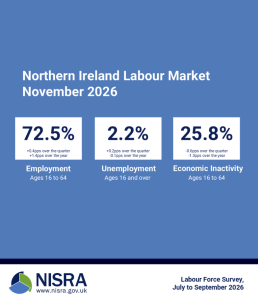
- A small pool of people actively looking for work: Northern Ireland’s unemployment rate was 2.2% in July–September, while employment rose to 72.5%. The claimant count increased 3.2% in October to 33,400, but remained only 3.3% of the workforce. These are all-industry figures; the LFS changes were not statistically significant. NISRA’s November labour-market release
- Some additional potential workforce: Economic inactivity fell to 25.8%, down 1.3 percentage points over the year. That may create opportunities to attract people who are not currently working or looking for work, although it does not tell us how many are available for hospitality roles or in particular locations.
- Pay is moving upwards: Median monthly pay across all NI employees was £2,525 in October, up 5.1% over the year. Sector-specific figures show that accommodation and food services had the largest annual increase in median full-time weekly earnings in April 2026, at 10.3%, but still had the lowest median weekly earnings, at £560. This points to rising wage expectations alongside a continued challenge in making hospitality pay competitive.
- There are hospitality vacancies, but the published count is partial: In July – September, 389 vacancies in accommodation and food services were notified to the Department for Communities – 5% of the 7,466 vacancies recorded.
The total number of notified vacancies was 33% lower than a year earlier, but these figures cover only jobs reported through the Department’s vacancy service; they are not a count of all employer demand or unfilled posts. - Headline employment growth doesn’t guarantee more hospitality candidates: The latest Quarterly Employment Survey, for June 2026, showed NI employee jobs at a record high, with growth driven mainly by services. That broad services category includes many industries beyond hospitality, so it should not be read as evidence that accommodation and food-service staffing has grown at the same pace.
What employers can take from it:
- Plan recruitment early, especially for experienced managers, chefs and specialist roles. (factor in recruitment and notice periods).
- Build a clear offer around pay, hours, progression and training, and consider how to reach people outside the active jobseeker pool.
- The fall in total weekly hours worked – 4.9% over the quarter – also makes it sensible to watch workforce capacity and hours carefully, though that figure covers the whole NI economy.
Thoughts from a recruitment point of view:
The report suggests that Northern Ireland’s overall workforce is growing, but I don’t think we should interpret that as a sudden easing of recruitment pressures in hospitality. Unemployment remains low, and although the claimant count rose in October, it still represents only a small proportion of the workforce. There may be more people employers can reach, but that doesn’t necessarily mean they have the right experience, skills or availability for the roles hotels, restaurants and visitor attractions need to fill.
In my view, recruitment and retention will continue to depend on the quality of the offer employers can make: competitive pay, reliable hours, training and clear opportunities to progress.
Pay in accommodation and food services has risen considerably, which reflects the pressure employers are under, but the sector still has the lowest median weekly earnings of the industries measured. That makes it especially important to show people the range of careers hospitality can offer, not just the immediate role or starting wage.
For those in the sector, the message is to plan staffing early, keep investing in people and use tourism-specific data alongside labour-market figures when making decisions.
It’s easy to underestimate how long recruitment takes, especially when notice periods are factored in.
Plan ahead,
start early
and
engage the right support.