Category Archives: Blog

NEVER criticise former (current) employers or colleagues

It’s a common question by potential employers at an interview to ask. ‘Why did you leave ……  position?’

It might seem to you to answer and justifiable to say:

  • ‘My manager didn’t have good managerial skills. I feel my knowledge and experience was carrying them.’
  • ‘I was working more hours than management for half the salary.’
  • ‘Their expectations were too high.’
  • ‘They failed to recognise my potential, even when I pointed it out to them, but it’s their loss.’

Your boss or colleagues may have appeared that way to you, and everyone is entitled to their own opinion, however if you feel like this I would strongly advise you speak with your employer and make them aware of this. Allowing them to understand what you are feeling, and to see can this be rectified. Sometimes a conversation is all it takes to open the lines of communications, in order for everyone to have that understanding and put things right.
If it’s beyond that stage, and you feel any of the above statements, don’t use an interview – which is about you to express this annoyance.

Many potential employers will view this that you have brought negativity to the interview, producing a red flag to the panel. The first thing you have done, is give a bad bitter vibe off about you. Please remember hospitality is a small industry, and the panel may know your manager extremely well. At the very least they will question your loyalty – not in terms of how long you stayed in the role, but in terms of how professional you are even after whilst working / leaving an organisation.

Please see how important it is that you always maintain professionalism in an interview, this will very much reflect on you!

ALWAYS Keep your emotions about past employers and work-related experiences under control. Venting and expressing your feelings about past employers or colleagues, does not portray a good picture and potential employers will not want to bring that vibe into their organisation.

Don’t sabotage yourself during job interviews. They are hard enough to get right now and think of the all the preparation you have put into getting to this stage, so don’t to undo all your hard work with unprofessional comments about past employers or colleagues.

Always keep the tone of the interview professional, and let your true personality shine through. Engage with the panel on other topics that you have spent hours preparing on delivering.

Think of other reasons to answer the question like:

  • You are looking for better career prospects, professional growth and work opportunities.
  • You want to join a larger company that development opportunities are available to develop within.
  • You want a change in career direction
  • You are looking for new challenges at work
  • You were made redundant.
  • Your company was restructuring
  • Your company underwent a merger or an acquisition – rebrand.
  • Your job duties have been reduced, or your job outsourced
  • You have to travel on business too often
  • You are employed on a short-term contract.

You have to keep the reason for leaving consistent during both the exit interview at your old workplace and the job interview at your new one. This way, your new employer will have no misgivings about you after performing a reference check.

Dealing with being made redundant


Being made redundant (as I know from my own past experience) is a very emotional, difficult time. The not knowing what the future holds can lead to a lot of stress and anxiety. Redundancy is horrible; it is also a fact of life and it’s happening to more and more people due to the impact of COVID19 and the coming months will bring more, as furlough comes to an end and we get back to the new normal. Operating with less guests and diners due to social distancing.


No organisation wants to make redundancies, and this will be the very last thing to happen. This is equally as hard for your employer as it is for you. It is a scary time, I know – uncertainty and worry, fear and trepidation take hold.

But remember, if you are faced with redundancy, take the time to sit down and evaluate your place.

It’s important to note that if you have been made redundant throughout this time take the reassurance this is very much about the current economic climate and NOT about you as an individual. Your employer would like nothing more than the doors to be re-opening and for business to be resuming as normal. Regrettably, with social distancing in place this will have an major impact on the number of guests, diners etc resulting in a lower staffing requirements to deliver at this reduced level of business.

However, with the right support and planning, you can start making moves to go forward to the next stage in your career.

Whether you knew the redundancy was coming or the news was a complete shock, being made redundant can feel like your world is very much falling apart. You will probably (like me), go through a range of emotions: shock, denial, anger, worry, anxiety, uncertainty.

Losing your job can have a greater impact on your sense of well-being, it can affect your mental health, relationships and off course your confidence.

It’s important to remember you will get through this, I didn’t think I could have but I built a business from my experience.


Based on my experience here are some steps to help you, if you find yourself in this situation:

  1. Understand your rights

Understanding your rights and knowing where you stand can have a calming effect and help you feel in control of a horrible situation. It’s important to know how much redundancy pay you will get, how long your notice period is – this should be in your contract or ask your Human Resources Manager. Check if you’re able to leave sooner should you find a new position. Once you have the basic details, you can start thinking more clearly and start to plan the road ahead.

  1. Managing your Finances 

Managing your finances after redundancy can be very stressful but there are some steps you can take to make life easier. Sit and work out your budget, with any lump sum redundancy payment you may receive. It’s never something we like to think about, but there’s no guarantee as to how quickly you’ll be able to find a new position, especially in this current economic climate. Taking time to manage your finances can be key to reducing feelings of stress and worry. Check what help is out there to assist you or look at part time options to ensure you have some income coming in.

  1. Speak to family and friends 

Speaking with your loved ones is a crucial part of the redundancy process, you need to talk it out, don’t try and deal with the stress yourself. It’s important to be as open and honest with your partner / loved ones as early on as you can. It’s important to jointly work together to manage any financial or emotional worries; please DON’T face this alone – it can greatly impact your mental health.

Opening up to close friends and family can help. You have nothing to be ashamed of; redundancy can happen to anyone, at any time – it isn’t a reflection of your work ethic, the quality of your work, or you as a person. Remember external factors have resulted in the current climate.  By sitting down and chatting with a family or a close friend, they can provide you with support and guidance throughout this tough time. If you don’t feel ready or able to talk things through yet, that’s ok too; it’s more important to focus on what makes you feel comfortable and works best for you.

Sometimes, a close friend or family can provide make you see the skills set you have and can help you build your confidence for beginning the job search.

  1. Request Reference / recommendation before you leave

Whilst you are still at the company that’s making you redundant, ask for a written reference or LinkedIn recommendation from your manager to help you on your job search.

5.  Your story / journey

Most importantly you will need the right head space to move onto the next phase of our life. You will  know that there is an end coming with leaving your job and that you have a new beginning coming up soon.
In these times it’s important to know that you’re not to blame, don’t take it personally,  external factors have contributed to the situation., Try and have a positive view of what happened and what you learned from it – it’s throughout times like this you will develop and grow in areas new to you.

You will need to show you’re capable of moving on, so please try and not harbour any bitterness. Remember new employers will be looking for positive attitudes in potential employees, to drive their team forward. They don’t want to employ someone who will bringing a tense and attitude into their workforce – especially when they are reliant on good staff help them build their recovery. Hospitality is very small industry.

6. Review your career and goals

While we hesitate to say redundancy is a ‘good thing’, it can present the opportunity to help you take stock of your skills, talent, and experiences. Use this time to reflect if there is anything you want to change in your career?

Your goals may have changed, or have they remained the same, what is you want from your next new role? Shift work, work life balance use all this to benchmark against future employers. Use this time to reflect and set new goals this can be in both work and life in general.

7. Know what you are seeking:

This is about going through your options and considering about the realities of what work has to be for you geographically, economically and with balancing family life etc. Try and have a clear view of what you want and the more specific you can be, the more chance you’ll have of being successful. Set these parameters for what you would like, you will also know from this what you don’t want – be realistic!

  1. Actively start to look for a new job

Update your Linked in Profile and CV. See our blog tip for updating both.

Writing a CV: https://dalyrecruitment.com/2019/02/05/writing-a-cv/ 

Updating your LinkedIn profile: https://dalyrecruitment.com/2020/05/01/linkedin-tips-advice/

It’s important you have all your skills and achievements up to date. The market will be busy with competition for the foreseeable future so make sure you are standing out. Have someone read over your CV, giving you a second opinion. It’s good to get an industry manager or friend to look over as they can sometimes see your skills from a stronger point of view, especially at this time when your compiled when your confidence is low.

  1. Seek Assistance finding a new role

If in hospitality, register with us or any agency that specialises in your sector – a specialised recruiter will also have a greater insight into the market and sector. We cover all Ireland and can provide you with advice and guidance on your CV as a candidate of Daly Recruitment. We also offer a CV consultancy service if you are applying directly to a company. We will provide assistance with CV and interview preparation.

Ensure your LinkedIn page is up to date and change your status you are seeking new opportunities, its ok to state the current situation has lead to this. Don’t be afraid and don’t panic.

Although you may have concerns about money, a quick fix may not be the best way forward in the long term, so don’t jump at a role that’s not for you as that will impact your CV and your career journey. Take advice and do your research, you want your next role to lift your confidence and get you back on your track with your career goals.

  1. Above everything else, PLEASE take care of yourself.

Whilst tempting to spend hours searching for new jobs, putting that extra strain on yourself won’t help. By putting 110% into looking for a new role, you can very well neglect your well-being, become disheartened – I’m overqualified for that job why did I not get an interview etc…

It’s important to take time to look after yourself, selfcare is important and more so throughout this time. Take time to burn off some of the stress with physical exercise, make sure you eat and drink healthily, have fun with family and friends as well try and keep on top of moving forward.

This is your opportunity to revaluate and perhaps even reinvent your career.


 FINAL NOTE: 

Redundancy can be a very difficult time for the employee and employer. Even those who say they wanted it to happen (or disliked their role), many find themselves going through a whole range of emotions. It’s completely normal to feel anger, grief, sadness and a lack of confidence when it happens. Where possible, give yourself time to adjust before looking for other opportunities, don’t jump at the first opportunity and also seek advice from others on roles you are considering applying for to ensure you get back on track.

Try and understand external global factors have contributed towards to this and it’s not personal.


As I write this I speak from the heart, having been there very suddenly myself a number of years ago. Take the positive and move forward with it. That’s exactly how Daly Recruitment was formed and I’m proud of the comeback!

This is your opportunity to revaluate and perhaps even reinvent your career.



LinkedIn Tips & Advice


Your LinkedIn profile serves as a digital and visual representation of your career journey and your unique personal brand – think of it as on your online CV. Your LinkedIn profile can be your ticket to a variety of new opportunities like jobs, partnerships, volunteering, or new business.

Your LinkedIn Profile is in many cases the most important aspect of your professional presence online. You can use LinkedIn to connect with people in your network, and recruiters often use it to find you when they are sourcing candidates.

While LinkedIn can be an effective networking tool, it’s no easy task to distinguish yourself from the billions of users who are also trying to stand out.

But just a few small improvements can have a big impact. Better yet: Just twenty minutes today is enough time to take your profile to the next level.


Now, that we are on lockdown it is a good time (while you have the time), to spruce up your profile. Here are a few suggestions by Daly Recruitment to make your profile stand out:

1. PROFILE PICTURE
It sounds common sense but start with your profile photo. Profiles with a photo get seen 21 times more often than those without. Your profile photo should be professional yet approachable, giving people a true sense of your personality.
Banner – your cover picture should be eye catching and contribute towards to your career path /story to date.
Canva is good for creating banners.

2. CONTACT INFO :
Make sure your email, phone number (if you feel comfortable), location is all up to date.
Remember: LinkedIn InMail is only available to Premium users, and you want to make sure anyone can contact you about great opportunities.

3. CREATE A CUSTOMIZED URL.
A custom URL makes it so much easier to send people to your profile—and means you no longer have to worry they won’t find you. You could share your name with 100 other people.

Here’s how to create a customised URL how in four steps:

1. Click on profile
2. Click edit profile
3. Click edit right under your photo.
4. Under contact information set your URL.
For the most professional URL try: http://linkedin.com/in/firstnamelastname. If that isn’t available, add your middle initial or industry – always keep professional.

4. THE ABOUT SECTION:
The About section of your LinkedIn profile is the ideal way to highlight what makes you unique and stand out to your industry – include all skills, awards accomplishments on your career to date which are related to your industry and career.

The more robust your profile, the more you likely you are to get notice. Always select an industry, because recruiters / employers often use that field to search.

5. HEADLINE:
Don’t forget the headline, since it is right at the top of the page when someone views your profile – ensure it reflects your current role and skills.
Your headline is one of the first thing people when they view your profile.

TAKE NOTE:  Every time you change your current position or company, LinkedIn defaults your headline to your updated title. As you might guess, that’s not the best way to attract recruiters. Instead, you want a strong and unique headline to make you stand out.

6. THE EXPERIENCE SECTION OF YOUR LINKEDIN PROFILE IS YOUR ONLINE CV.
When updating your profile, it is important to include employment (current and past), education, and industry. While you might not include every job in your past on a traditional CV, it is appropriate to include your entire work history on LinkedIn.

To quickly create a profile, review your CV and copy/paste the relevant information into your profile. It’s essential that your CV matches your profile because prospective employers will check. However, when you get more time, make sure to add as much as possible to your LinkedIn profile. Employers expect your CV to be somewhat condensed and specific to the job you seek. But your LinkedIn Profile should contain more detail and be an extended version of your CV.

Also, don’t overlook summarising each job you’ve had in your experience section. Remember:
This gives your audience more insight into your skills and background.

7. THE SKILLS AND ENDORSEMENT SECTION
The Skills and endorsement section are an important aspect to your profile. Endorsements are a great way to get recognized for your skills and help build your professional reputation. It’s a way that recruiters / potential employers can find you and how your connections can see, at a glance, your core competencies.

In fact, your profile is more likely to get viewed if it includes skills. Just like you did with the Experience section, you use your CV to get started with a list of skills to include.  Focus on the skills that highlight your strongest assets and are most relevant to your career goals.

Top tip: is to read your past job descriptions (if you still have them), or the job descriptions of jobs you seek. Include any key words you find that are relevant to your skills and experience.

As your role changes and your expertise grows, make sure to refresh and reorder your skills!

8. TAKE TIME TO ASK OR RECOMMENDATIONS
Take time to request LinkedIn Recommendations from people you have worked with whom carry a lot of weight. To a potential employer, a LinkedIn recommendation is like a reference in advance.

Request them from your former bosses (so long as you still have a good relationship with them), mentors, and/or college professors.

On a “what not to do on LinkedIn” note, don’t ask people you don’t know for references.

9. INCLUDE YOUR ACCOMPLISHMENTS
Use the Accomplishments section of LinkedIn to highlight projects you’ve worked on, awards, industry courses completed and any other accomplishments you have contributed to i.e. part of team that gained upgrade on star status, Michelin listing etc.

10. HOW TO STAND OUT
Look at other industry peers’ profiles, make yourself stand out from others. Look at wording and all of the above. Be different. What is on your profile to make you stand out from someone with same position in a different property.

11. CONNECTIONS
The right connections are more important than the actual number of connections you have. Ideally, you want connections that are relevant to your line of work, that can potentially lead you to a job opportunity, or can provide valuable advice. Engage with your connections to make you stand out and be noticed.

LinkedIn goes way beyond your personal network. It allows you to keep up with people in your industry as well as successful people who inspire you. By following key leaders and influencers, your newsfeed will fill up with advice that’s relevant to you.

12. TURN OFF LINKEDIN ACTIVITY BROADCASTS WHEN YOU’RE JOB HUNTING
You don’t need to advertise the fact that you are job hunting, especially when you’re employed. When you are job searching and don’t want your employer to know that you’re updating your LinkedIn profile, it’s a good idea to turn off your activity broadcasts. Here’s how to set your account, so your updates don’t show in your feed:

  • Click Settings (Under your profile headshot on the top right of page)
  • Scroll down to the section, “How others see your LinkedIn activity.”

Examine all the other viewing features on this page to see if you feel that any other privacy features apply – change accordingly.

13. PROFILE VISIBILITY
Finally, make your profile public, so people (employers and recruiters) can find you via searches.

14. VIEWING PROFILES ON LINKED IN
Just so you are aware people, people get notifications on LinkedIn when you visit their profile. Not everyone is aware of this!


REMEMBER:

Your LinkedIn profile is the gateway to your professional career success, so let the world know what makes you special. By making these updates to your LinkedIn profile now, you’ll be showcasing the very best of you and your strengths.

It’s a small investment you can make now to prepare your career for the next opportunity, decade and beyond…

Be the kind of leader people would follow voluntarily

The main difference between leaders and managers is that leaders have people follow them while managers have people who work for them. A successful business needs to have both a strong leader and manager to get their team on board to follow them towards their vision of success.

LEADERSHIP is about getting people to comprehend and believe in the vision you set for the company and to work with you on achieving your goals, while MANAGEMENT is more about administering and making sure the day-to-day activities are happening as they should.  Which are you and which do you aspire to be?.

You can become a leader people actually want to follow, not just a leader people follow because they think they have to.

Here are some tips to be a leader people aspire to become:


1. Lead with humility

A humble leader acknowledges that they can succeed only with the help of others. Humility draws people to you not because you have all the answers, but because you recognize how much you can learn from others.

2. Take responsibility 

Leaders must hold themselves accountable for their actions; they don’t blame others when things don’t go right. Be accountable for your actions and always remember that the decisions you make affect not only your own life but the lives of others as well.

3. Have a compelling vision

Having a vision is good, and having a purposeful vision inspires others to work toward that purpose. When you have a vision worth following, you have a group of people that stays focused and do what it takes to be successful.

4. Be Supportive

Great leaders are of service, because at the heart of their leadership they know the true value of others. Always follow the Golden Rule and treat others as you would wish to be treated.

5. Be consistent

Leaders set the tone for how others conduct themselves.If you are not consistent, those around you follow that cue. If you are not reliable, others feel uncomfortable and tentative. It is the essence of consistency that makes others want to follow you.

6. The best proof of leadership is trust

People want to follow leaders who are trustworthy—those whose behaviour is genuine and who never leave others guessing. Make sure people can rely on you to be fair and consistent.

7. Show you care

Great leaders understand the importance of personal connection and attention. Show you care with everything you say and do, and let people know they matter. Listen to them, talk to them, provide them with feedback.

8. Give respect

Loyalty starts with building relationships based on respect. Show those around you know how much you respect them and their work.

Are you the kind of leader people want to follow?

Being a leader carries a lot of responsibility.

Often there’s too much to do in very little time.

We can become the kind of leader others want to follow.

We only have to learn what is at the heart of every leader:

We must lead from within.

The importance of self belief in job searching.

What holds you back is not what you think you are, it’s what you think you are not!

When you apply for a job, you are asking a prospective employer to believe in you.  That leap of faith will be much more likely if you believe in yourself. Self-belief is critical to your job search.  It creates a confidence that comes through in every encounter, allowing you to effectively sell yourself and get hired.

Many job seekers are at a time in their life when they feel deeply insecure. Perhaps you’ve been laid off creating a feeling of not being wanted or valued. Perhaps a long job search has led to multiple rejections, eroding confidence. In a culture where people are sometimes identified by what they do, being out of work may create an identity crisis. In a culture where income can define people, not having income can create feelings of negative self-worth. Whatever the reason, confidence and self-belief can sometimes be hard to come by during job search. Here are some ways to build yours up:

Review past achievements. As part of your job search, you should have a comprehensive list of career achievements and the skills they exemplify. While you created the list to use in sharing your value with employers, it’s also helpful for you to look over that list regularly and remind yourself of how capable and successful you have been. If you did it before, you can do it again!

Ask for help. Share your struggle with a friend and ask him or her to help you by identifying your strengths. Sometimes hearing it from someone else is powerful.  You may also have a networking conversation with a past colleague and ask “What do you view as my biggest strengths?”  The answer may shine a light on a strength you hadn’t considered, or it may reinforce something you knew. Either way it will boost the positive feelings you have about your ability.

Build new successes. If you’ve been out of work for awhile, you may wonder if you’re still capable of getting in there and doing great things. By getting active right now, you’ll see you are still very capable, and this reminder will build your self-belief.

Play the part. Like smiling when you are nervous, displaying a confident exterior often causes a positive change in mindset. Share your achievements with pride and use them to demonstrate your future value. As you do this with others, it will become more real to you, building your self-belief in the process.

Take time regularly to build up your self-belief. Beware of projecting insecurity or negative self-image because this will hurt your job search. Instead, believe in yourself and potential employers will believe in you.

If you would like to discuss any possibilities, please get in touch with Daly Recruitment we will advise on steps and route to take to get back on track.

Remember: What holds you back is not what you think you are, it’s what you think you are not!

How to respond to a Counter offer.

Retaining good quality staff is a problem for many employers, and statistics prove 50% of employers are likely to respond to an employee’s resignation announcement with a counter offer.

There are employees who will hope that they will be approached with a counter offer, for others it will be the last thing they want to be presented with. Either way you have to be open minded about what exactly you are seeking and why you are in the situation you are in! A negotiation process can prove tricky, but always keep your goals and level of professionalism high up in the agenda throughout.

For an employee the decision to accept a counter offer can have a lasting impact on your career.

There are a number of factors for the employee to consider:

  1. Will accepting the counter offer address your initial reasons for job searching in the first place?
  2. Is the counter offer in your best interest? Remember it’s cheaper to offer a pay rise or promotion than it is to hire and train new staff members.
  3. Will relationships with management be impacted in the future now they know you have been seeking an exit? Employer may view this as less trustworthy.
  4. Make the decision you think is best in line with your goals, and not something you might regret in 3 month’s time.
  5. If you have gone through this process with a recruiter, that recruiter may not represent you again as trust will be lost

It’s a well-known fact counter offers do not work out in the long term! Some interesting statistics employees and employers should know on counter offers:

  • 60% of UK based employees who accept a counter offer end up leaving within six months.
  • 80% of candidates who accept a counter offer will end up leaving within 18 months!
  • 9 out of 10 candidates who accept a counter offer leave their current employer within the 12 month mark!
  • 50% of employees that resign will be counter offered by current employer!
  • 50% of employees who accept a counter offer returned to the job market within a 60 days!

As yourself this question:

Where you declined this pay rise before you proceed to explore job market?

If so, do you want to stay in a company that doesn’t reward its employees until they hand in their notice? This is a huge factor in losing staff, employers shouldn’t want until this point to retain the staff member as the employee has already been exploring the market place and is  unsettled In current position.

While financial rewards are attractive:

Research has shown that employees are most likely to look for a new job opportunity that can offer them career progression. Accepting a counter offer purely for financial benefits doesn’t mean that you won’t still feel dissatisfied in your role in months to come.

It’s only a temporary fix!

How to deal with a counter offer:

Financially motivated?

If the reason you are here is financially driven, you should know your market worth. We would advise contacting recruiters in your field to benchmark your salary range against the marketplace. A specialised recruiter (as Daly Recruitment are in hospitality) will have access to this information and be able to guide you. It’s always a good way to introduce yourself to a recruiter who specialises in your sector, as you never know what potential opportunities may arise in the future.

Remain professional at all times:

Don’t use this an opportunity to vent your anger at management to cover ground on previous requests or treatment. This will cause the deal to break down and there will be no winners!

Always go into negotiations professionally, with a positive and good attitude.  Remain on good terms at all times. Be careful you never know when paths may cross again!

Know your team structure:

If you are a key member of staff and only one who knows how to complete your daily tasks, you are in a strong position. If you are part of a strong team and others have their eye on your role. It’s not advised to negotiate a much higher salary as your employer may accept your resignation and offer promotion internally! Your decision will be removed from you.

Again, we go back to the point should you really have had to hand in your resignation to get the pay rise/promotion you had previously declined?

Stop and think of your reasons and career goals!

Think objectively, ask yourself which opportunity will add most value to your goals, is that career or a work life balance? Reflect on what is important and speak to other employees who are in the other company and ensure the decision matches your personal goals also.

Reflect on all areas of your life and consider the deal breaker options and ask yourself will this counter offer bring about that change I’m seeking?!!…

Decision Outcome:

Accept – Be aware your resignation will not be forgotten and may jeopardise any future promotion due to loyalty. You may develop a feeling of guilt towards management and your team.

Decline: Thank your employer for the opportunity and confirm your intention to leave for pastures new. Leave the door open and always try and leave on good terms.

Hospitality is a small industry!

Remember as an employee you’ve been unhappy enough at work to not only look for another opportunity, but to interview and take the time to explore the market!

If you work in hospitality and want to discuss your market worth or need some advice on any aspect of your career journey, please don’t hesitate to contact Nichola on Nichola@DalyRecruitment.com to arrange an over the phone chat or a coffee!

TIPS FOR INTERVIEWS.

Have an interview coming up? Here are some of our tips on how to prepare, and what to try and avoid!

An interview is a chance for an employer to see if you’re the right person for the job. It’s your chance to make a good impression and show what you have to offer. You can also use it to help you decide if the job and the company are right for you.

Remember, they invited you for a reason
No company invites a candidate to an interview unless they are genuinely interested in them. Remember this during the interview-it will help you stay confident.


The key to overcoming nerves and having a successful interview is preparation. Read our tips on what to do and what to avoid.

DO:

  • Do go prepared.
  • Do arrive early.
  • Do make eye contact. But don’t overdo it to the point where you make the interviewer uncomfortable.
  • Do take some time to consider your answers and respond thoughtfully. You shouldn’t feel pressured to answer each question in rapid fire.
  • Do ensure that your most recent posts on your social media accounts show something positive and professional.
  • Do use language that is appropriate for the job environment and demonstrate your experience.
  • Do consider your career goals and clearly define your reasons for wanting the job.
  • Do take time for pleasantries and a bit of casual social chat.
  • Do understand that interviews are as much an opportunity to show the employer that you would be a pleasant person to work with as they are to demonstrate skills and experience, this is a social opportunity.
  • Do your homework about the industry and the company.

DON’T

  • DON’T lie on your CV!
  • DON’T leave your job without a job to go to.
  • DONT waste a recruiter or companies time- you will loose ALL TRUST and many wont provide second chances.
  • DON’T keep social media accounts public.
  • DON’T post bad reviews on social media platforms of the industry you are in – they are your colleagues and the industry work close together.
  • DON’T cancel interviews last minute without a urgent reason.
  • DON’T go for a job you aren’t passionate about – you always want to give 100%.
  • DON’T slate a previous employer. If you are successful – some day the interview could be your previous employer.
  • DON’T lie on your CV!
  • DON’T have an unprofessional voicemail message / email address.DON’T apply for multiple jobs with the one company.

People don’t get success overnight or by getting lucky.

People don’t get success overnight or by getting lucky.

NO ONE achieves their dreams by sheer luck alone. ❌
It takes EFFORT & HARD WORK.
It takes years of PERSEVERANCE & DETERMINATION.
It’s spending every waking hour thinking, planning and preparing until you are on the right track on the journey towards meeting your goals.
And, IT IS NOT EASY. ❎
So, if you want that dream job and I mean REALLY want it, stop waiting on lucky coincidences to happen.

Get up and get going, (register with Daly Recruitment off course????) and work towards that DREAM! ✨✨

You do not just wake up and become the butterfly ???? – growth is a process.

At Daly Recruitment we work with the leading hospitality employers across the island, who invest in your growth and development. ????✅
Become that butterfly with our assistance ???????? –

We are here to help you on that hospitality journey. ????????????

Find us on instagram and twitter @DalyRecruitment

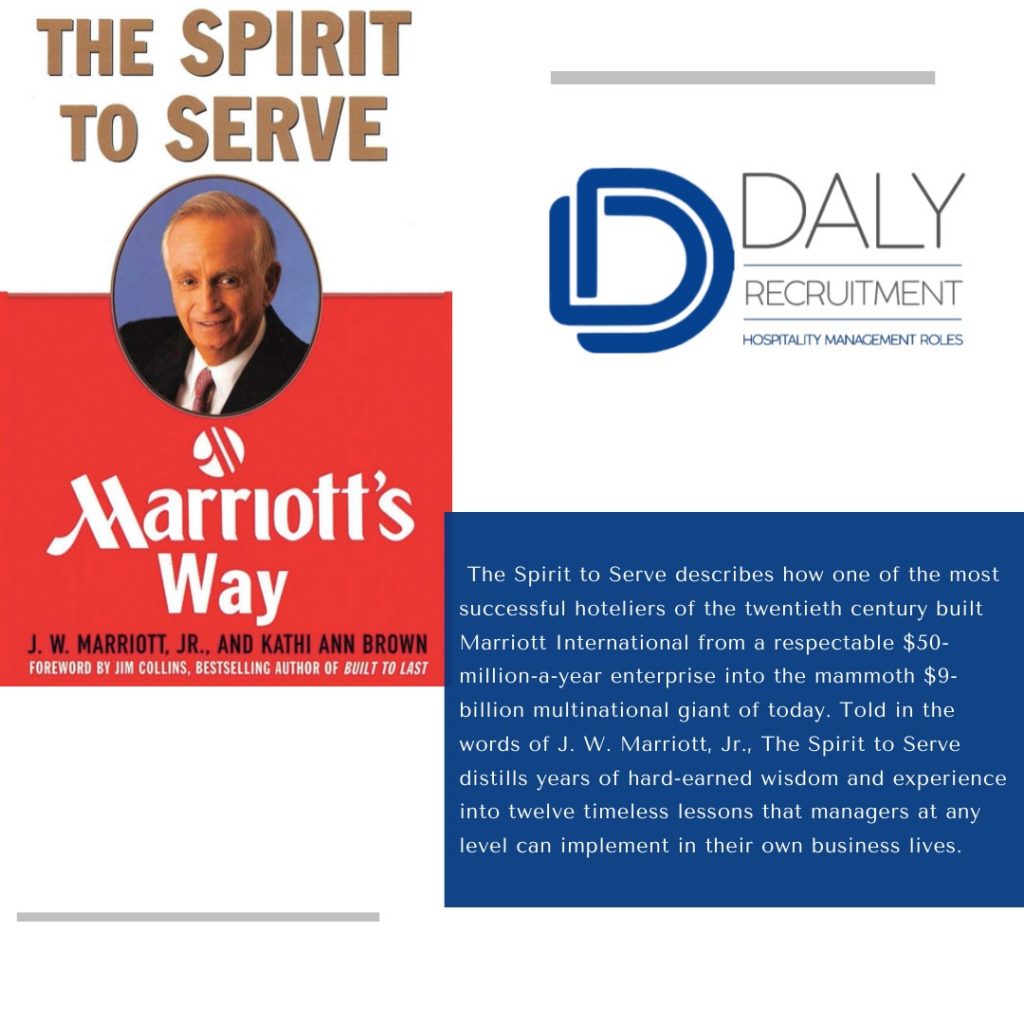
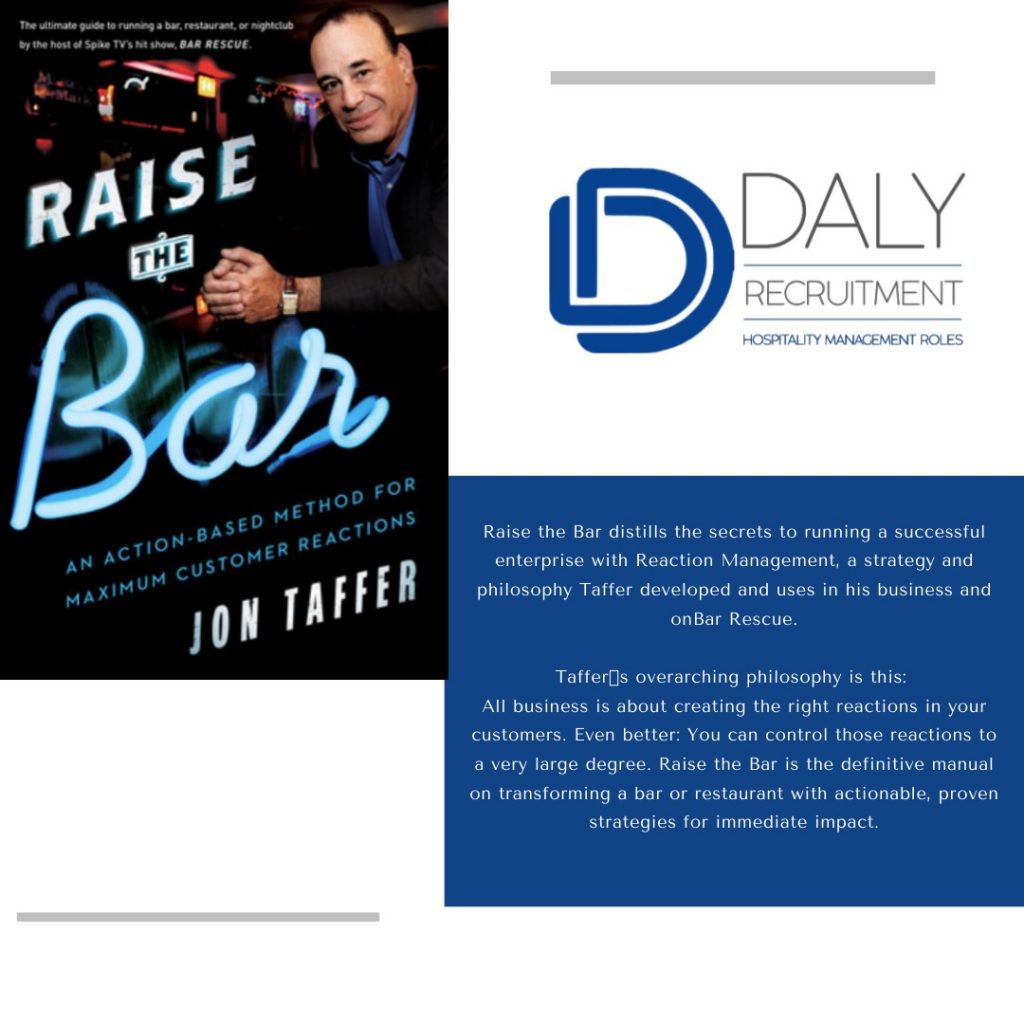
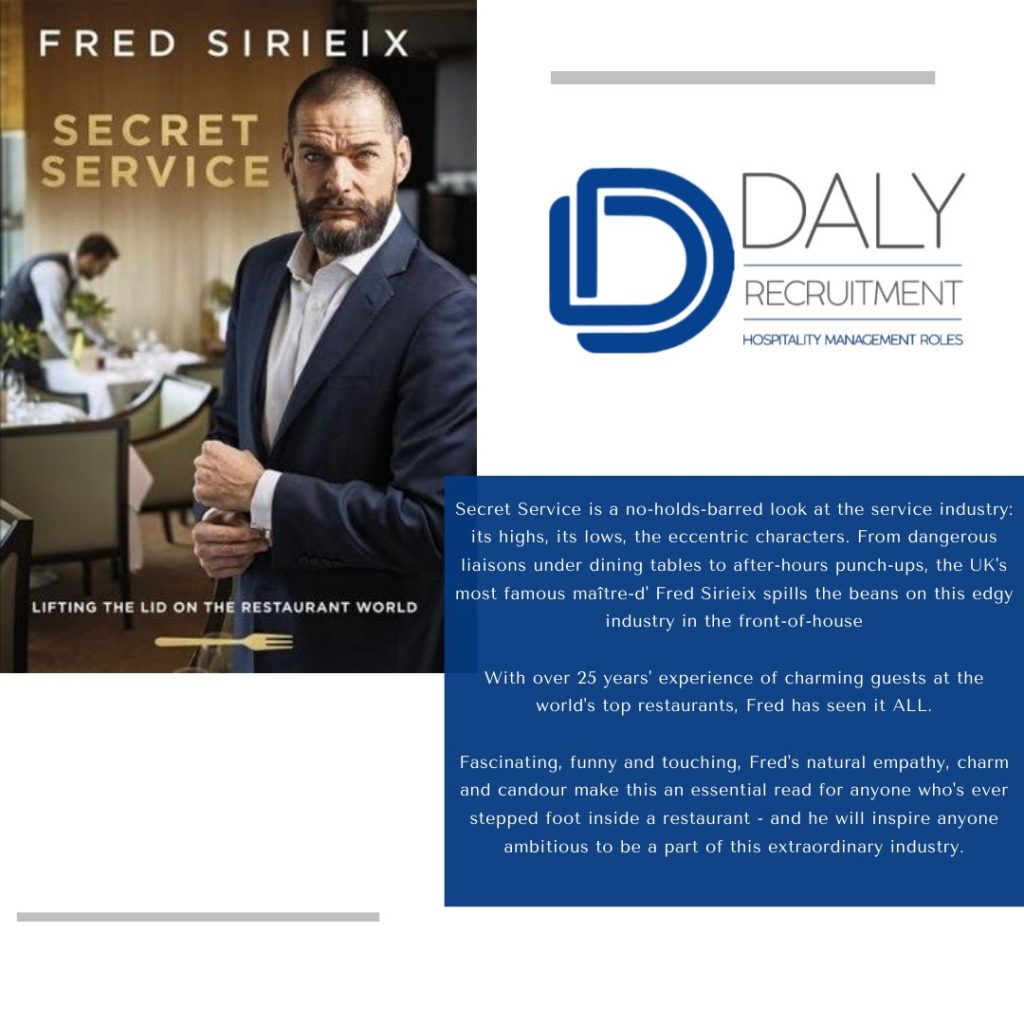
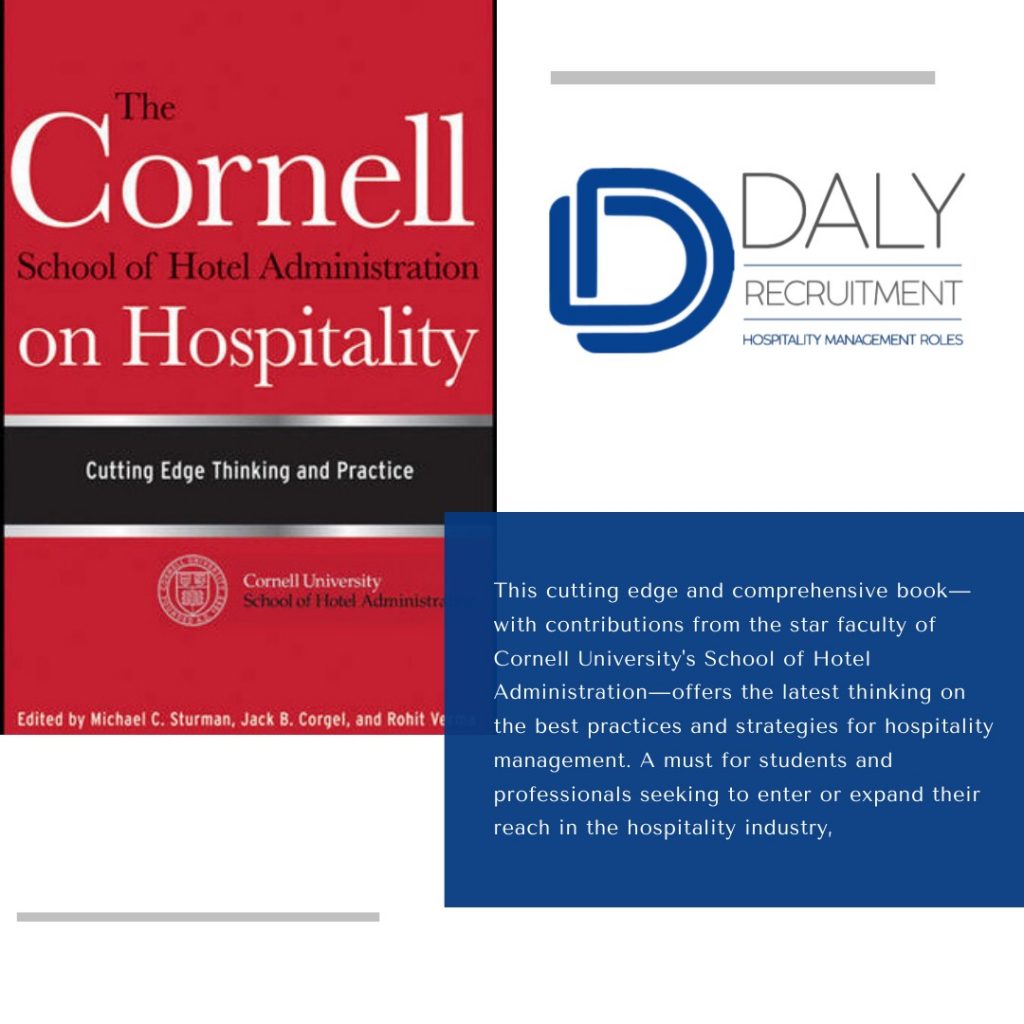
Hospitality book recommendations for quarantine.

Some recommendations for hospitality books to read throughout quarantine, these have been recommended by industry friends and colleagues.


Daly Recruitment Launches in Belfast

A vibrant new recruitment company specialising in management roles in the hospitality sector across the UK and Ireland has been launched in Belfast.

With the UK hospitality industry expected to create over 500,000 new jobs in the next five years according to industry body UK Hospitality, local businesswoman Nichola Daly is aiming to take advantage of what she says is an increasingly busy market for roles in hospitality management.

Working throughout the UK and Ireland, Daly Recruitment will source hospitality management roles for leading hospitality and tourism establishments.

Nichola said: “Over the last decade I have assisted a wide range of hospitality establishments with the recruitment of management staff, as a result we will be specialising in headhunting and management appointments. 

“Experts at UK Hospitality last year revealed the hospitality industry’s contribution to the UK economy has grown faster than any other sector since the economic downturn in 2008 and certainly that has been my experience.

“With more and more recruitment opportunities arising I saw a gap in the market for a recruitment company that could tailor its service specifically for this particular sector.”

Nichola has over 20 years’ experience in the hospitality industry having started her career at just 16 working with a variety of tourist attractions before moving through the sector into her current role.  She has completed the Marriott International Hotel Management Development Programme in Arizona as well as having worked for leading brands such as Marriott, Posthouse and Holiday Inn.

As well as working for the Northern Ireland Hotels Federation and as a manager in the trade publication Hospitality Review, Nichola’s most recent experience saw her working for a Dublin based company recruiting for general managers, and senior management roles throughout Ireland, UK and Dubai.

“I believe there is a gap in the market for a focused, knowledgeable, niche hospitality management recruiter working with leading clients and candidates with nearly one in five of all jobs in the UK now being related to the hospitality and tourism sector. 

Already working with a series of high-end hotel properties to place a high calibre of candidates for entry into mid and senior management roles, Nichola’s aim is to “deliver a first-class service” where she will “get to know the in-depth client needs to ensure a successful match, adding value to the client business”.

Dr. Howard Hastings, Managing Director Hastings Hotels said, “The hospitality and leisure sector across Northern Ireland is at an all-time high with a wealth of new hotels opening their doors.  It is an opportune time for Nichola to launch Daly Recruitment as operators seek to fill the positions available.  Nichola has a wealth of experience and knowledge in the sector and there is no other go to person with the contact book Nichola has.  I wish her every success with her new venture.”